
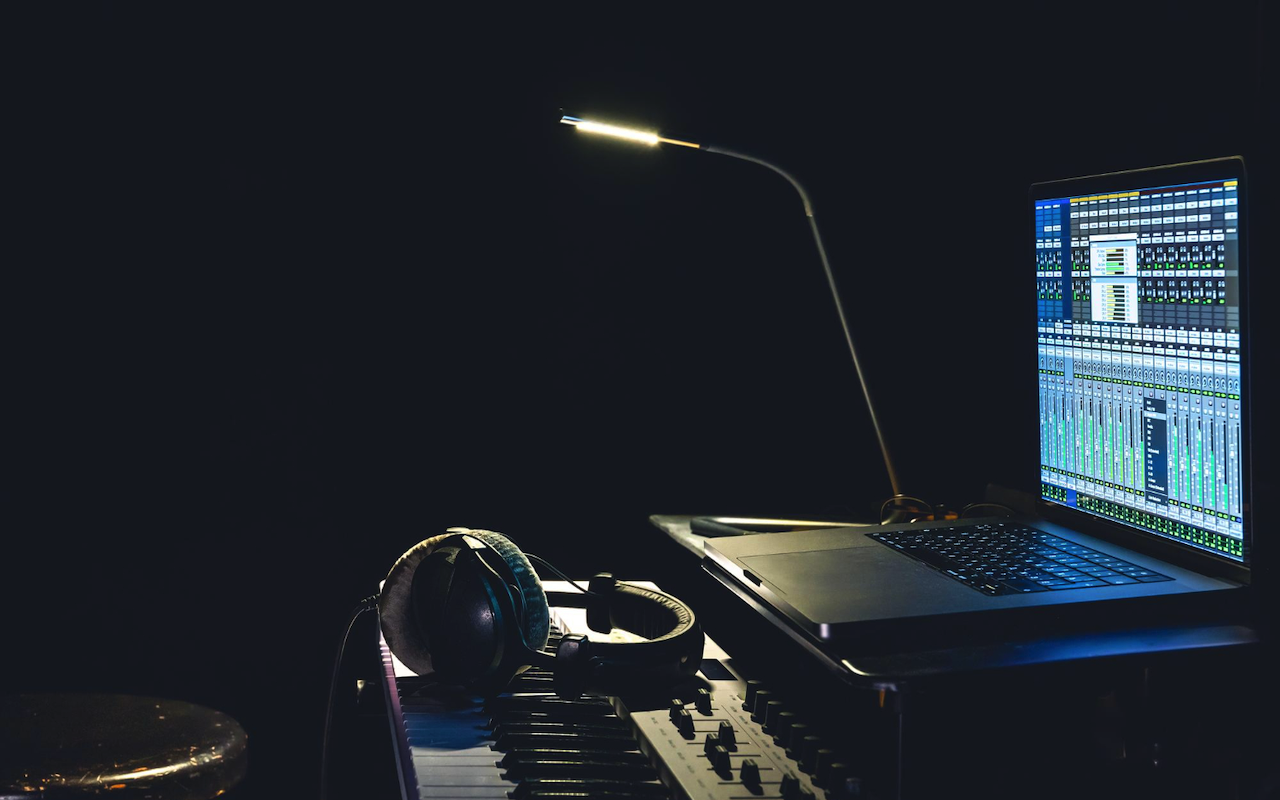
The music industry stands at a fascinating crossroads where artificial intelligence meets human creativity. As AI song makers become increasingly sophisticated, a pressing question emerges: can these digital tools truly replace human music producers? This exploration delves into the capabilities and limitations of AI-generated music, comparing the unique strengths of both approaches while examining whether the future holds competition or collaboration between humans and machines in the studio.
What AI Song Makers Can Actually Do
AI music generation technology has made remarkable strides in recent years. These systems can analyze vast libraries of existing music, identify patterns in chord progressions, melodies, and rhythms, and then generate new compositions that follow similar structures. But what exactly can today's AI song makers accomplish?
Creating Basic Musical Elements
Modern AI tools excel at generating fundamental musical components with impressive speed and variety. They can produce chord progressions that follow music theory rules, create rhythmic patterns across various genres, and even generate melodies that sound pleasing to the human ear. Platforms like Melodycraft.ai can generate dozens of musical ideas in minutes, far outpacing the ideation speed of human composers working alone.
Genre Replication and Style Transfer
AI song makers have become adept at mimicking established musical genres. Feed the algorithm references from jazz, hip-hop, or classical music, and it can produce new compositions that capture many defining characteristics of those styles. Some advanced systems can even blend multiple genres or transfer the stylistic elements of one genre onto the structure of another, creating novel hybrid sounds.
Automated Mixing and Mastering
Beyond composition, AI tools now offer automated mixing and mastering capabilities. These systems analyze frequency distributions, dynamic ranges, and spatial characteristics of reference tracks, then apply similar processing to new music. While not yet matching the nuanced touch of veteran audio engineers, these tools can produce serviceable results for many applications, especially for creators working with limited budgets.
Where Human Music Producers Still Excel
Despite the impressive capabilities of AI song makers, human music producers maintain significant advantages in several crucial areas. These strengths highlight the continued importance of human creativity in the music production process.
Human Producer Strengths
- Emotional intelligence and authentic expression
- Cultural context and social relevance
- Intentional rule-breaking and innovation
- Collaborative adaptation with artists
- Storytelling through sonic choices
AI Song Maker Limitations
- Lacks genuine emotional understanding
- Cannot grasp cultural significance
- Primarily derivative, not truly innovative
- Limited real-time collaborative abilities
- No personal artistic vision or intent
Emotional Intelligence and Authentic Expression
Human producers bring lived experiences and emotional intelligence to their work. They understand how specific musical choices evoke particular feelings because they've experienced those emotions themselves. This allows them to craft music that resonates on a deeply human level, with authenticity that AI-generated music often lacks. When a human producer chooses a minor chord progression to convey melancholy or designs a dynamic build-up to create tension, they're drawing on their emotional understanding of how music affects listeners.
Cultural Context and Social Relevance
Music doesn't exist in a vacuum—it reflects and responds to cultural moments, social movements, and historical contexts. Human producers inherently understand these dimensions and can create music that speaks to current events or cultural shifts. An AI song maker, working solely from existing data patterns, cannot truly comprehend the social significance of musical choices or anticipate how audiences might respond to them in a specific cultural moment.
The Current Limitations of AI Song Makers
While AI music generation technology continues to advance rapidly, several significant limitations remain that prevent these tools from fully replacing human music producers.
Pattern Recognition vs. True Creativity
At their core, AI song makers are sophisticated pattern recognition systems. They analyze existing music to identify recurring structures and relationships, then recombine these elements in new ways. This process can produce convincing results, but it fundamentally differs from human creativity, which can introduce genuinely novel ideas and approaches. AI tools like Melodycraft.ai excel at generating variations on established patterns but struggle to create truly groundbreaking musical innovations that defy existing conventions.
The Emotional Disconnect
Perhaps the most significant limitation of AI music generation is its inability to understand the emotional content of music. While an AI can be trained to recognize that certain chord progressions are typically associated with sadness or that specific rhythmic patterns create excitement, it doesn't actually experience these emotions. This emotional disconnect often results in AI-generated music that sounds technically correct but lacks the emotional depth and authenticity that human listeners connect with.
Context and Intention
Human producers make musical decisions with specific intentions and within particular contexts. They might choose unusual instrumentation to evoke a certain mood, deliberately break rhythmic patterns to create tension, or select specific sounds that reference cultural touchpoints. AI systems lack this contextual understanding and intentionality, making their musical choices more arbitrary and less meaningful than those made by human producers.
AI Song Maker vs. Music Producer: Direct Comparison
| Aspect | AI Song Maker | Human Music Producer |
|---|---|---|
| Speed of Creation | Extremely fast; can generate multiple tracks in minutes | Slower; quality tracks may take days or weeks |
| Emotional Depth | Simulates emotional patterns without understanding them | Creates from genuine emotional experience and intent |
| Technical Consistency | Highly consistent; rarely makes technical errors | Variable consistency; may make creative "mistakes" |
| Innovation | Limited to recombining existing patterns | Can create genuinely novel approaches and sounds |
| Collaboration | Limited to parameter adjustments and regeneration | Dynamic, responsive collaboration with artists |
| Cultural Awareness | No understanding of cultural context or significance | Creates with cultural awareness and relevance |
| Cost | Generally lower cost after initial investment | Higher cost, especially for experienced producers |
This comparison highlights that while AI song makers excel in speed, consistency, and cost-effectiveness, human producers maintain significant advantages in emotional depth, innovation, collaboration, and cultural awareness. These differences suggest that rather than replacement, we're more likely to see integration of AI tools into human-led production workflows.
How AI Music Tools Are Actually Being Used
Rather than completely replacing human music producers, AI song makers are finding their place as powerful tools within existing production workflows. Here's how these technologies are being applied in real-world scenarios:
Ideation and Inspiration
Many producers use AI tools as starting points to overcome creative blocks. By generating multiple musical ideas quickly, systems like Melodycraft.ai can provide inspiration that producers then develop, refine, and personalize. This approach leverages AI's speed and pattern recognition while still relying on human judgment to select and enhance the most promising ideas.
Background Music and Functional Compositions
AI excels at creating background music for content where the music itself isn't the primary focus. This includes background tracks for videos, podcasts, games, and apps. In these contexts, the technical competence of AI-generated music often suffices, and the emotional limitations are less apparent since the music serves a supporting rather than starring role.
Democratizing Music Creation
AI song makers are making music creation more accessible to people without formal musical training. Content creators, small businesses, and hobbyists can now produce serviceable music for their projects without hiring professional composers or mastering complex production software. This democratization expands who can create music rather than replacing professional producers.
Augmenting Professional Workflows
Professional producers increasingly incorporate AI tools into their workflows to handle routine tasks, generate alternative ideas, or speed up certain aspects of production. This allows them to focus their human creativity and expertise on the elements where they add the most value, such as emotional expression, artistic direction, and final refinement.
The Future: Collaboration Rather Than Replacement
As we look to the future of music production, the evidence points toward a collaborative relationship between AI song makers and human producers rather than a wholesale replacement of humans by machines.
AI as a Creative Partner
The most promising vision for AI in music production casts these tools as creative partners rather than replacements. In this model, AI handles tasks where it excels—generating ideas, processing audio, suggesting alternatives—while humans provide direction, make aesthetic judgments, and infuse the music with emotional authenticity and cultural relevance.
Evolving Producer Skills
As AI tools become more integrated into music production, the skills valued in human producers may evolve. Technical proficiency in operating software or executing standard production techniques may become less important, while creative direction, emotional intelligence, cultural awareness, and the ability to effectively collaborate with AI tools may become more valuable.
New Creative Possibilities
The combination of AI capabilities with human creativity opens up new possibilities that neither could achieve alone. AI can help producers explore musical territories they might not have considered, work more efficiently, and overcome limitations in their own knowledge or technical skills. Meanwhile, human producers ensure that the music maintains emotional resonance, cultural relevance, and artistic integrity.
Conclusion: The Human Element Remains Essential
While AI song makers have made remarkable progress and continue to evolve rapidly, they remain tools rather than replacements for human music producers. The technical aspects of music—generating chord progressions, creating rhythmic patterns, even basic mixing—can increasingly be handled by AI. However, the soul of music—its emotional resonance, cultural significance, and artistic vision—remains fundamentally human.
The most exciting future for music production lies not in AI replacing humans but in finding the optimal collaboration between artificial and human intelligence. By leveraging the strengths of both—AI's speed, consistency, and pattern recognition alongside human emotional intelligence, cultural awareness, and creative vision—we can create music that is both technically impressive and deeply moving.
Ready to Explore AI-Assisted Music Creation?
Discover how AI can enhance your creative process without replacing the human elements that make music special. Try combining the speed and efficiency of AI generation with your unique human perspective.
 FAQs
FAQs
AI song makers generate music based on patterns learned from existing compositions, so their output is inherently derivative rather than truly original. While they can create new combinations of musical elements that sound novel, they lack the human capacity for genuine innovation that breaks established patterns or responds to cultural contexts. The music they produce is best understood as new variations on existing themes rather than groundbreaking originality.
Copyright for AI-generated music remains a complex legal area that continues to evolve. Generally, the terms of service for AI music platforms determine ownership rights. Some platforms grant full rights to users, while others maintain certain rights or require attribution. Before using AI-generated music commercially, it's essential to carefully review the specific terms of the platform you're using to understand your rights and limitations.
Yes, many professional music producers incorporate AI tools into their workflows. Rather than viewing AI as competition, they use these technologies to enhance their productivity, overcome creative blocks, handle routine tasks, or explore new musical possibilities. Professional producers typically use AI selectively for specific aspects of production while maintaining human oversight of the creative direction and final output.
To remain relevant alongside AI tools, human producers should focus on developing skills that AI currently lacks: emotional intelligence, cultural awareness, creative vision, effective artist collaboration, and the ability to make meaningful artistic choices. Additionally, learning to effectively integrate AI tools into their workflow—knowing when and how to use them appropriately—will become increasingly valuable as these technologies continue to evolve.
Featured Image by Freepik.
Share this post
Leave a comment
All comments are moderated. Spammy and bot submitted comments are deleted. Please submit the comments that are helpful to others, and we'll approve your comments. A comment that includes outbound link will only be approved if the content is relevant to the topic, and has some value to our readers.
Comments (0)
No comment