
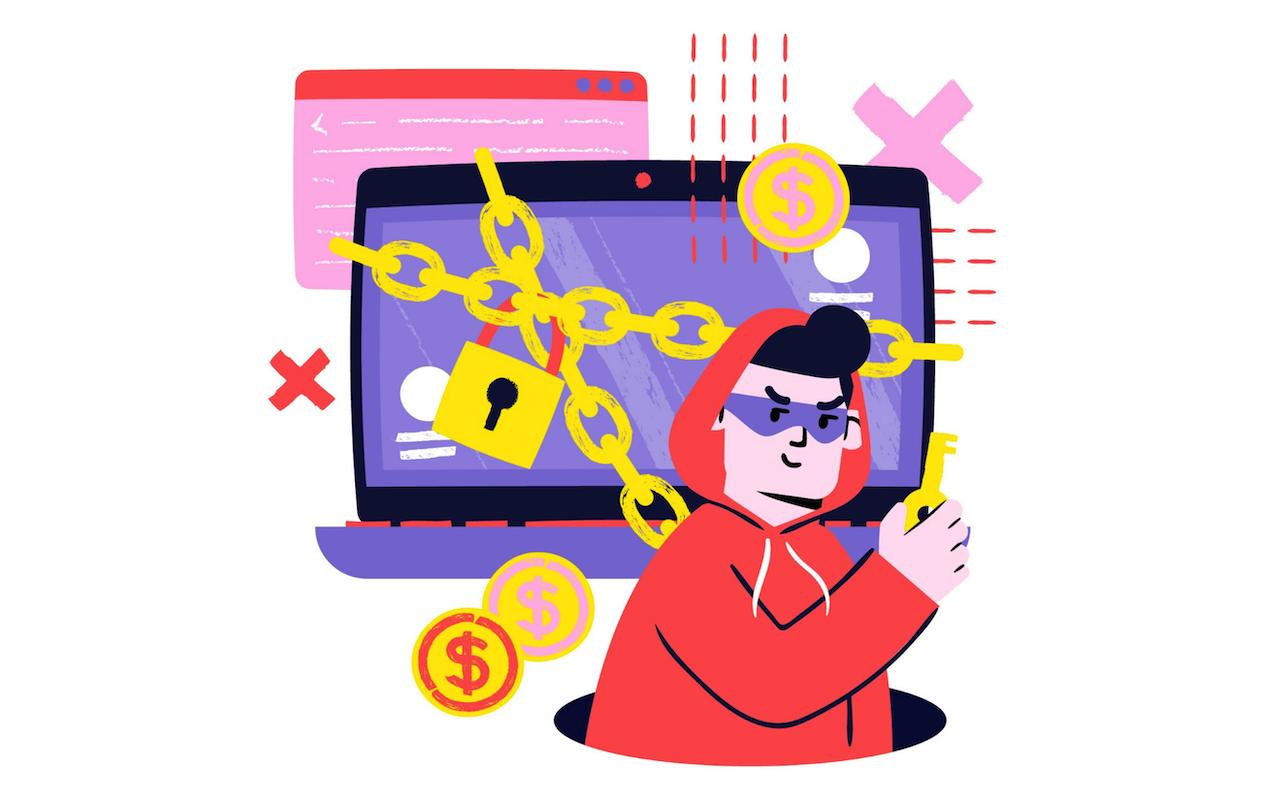
Scams don’t always look like someone in a hoodie typing in a dark basement. Sometimes they look like a limited-time offer. A random message from a stranger on Telegram. A fake Elon Musk livestream promising to double your Bitcoin.
As the hype around digital currencies grows, so does the creativity of those trying to steal them. Even experienced users are vulnerable because crypto scams aren’t just technical tricks. They prey on emotion. FOMO. Urgency. Trust. That’s what makes them effective.
Still, it’s possible to invest without falling for the traps. With basic awareness and a little skepticism, anyone can learn to move through the space with more confidence. Tools like market comparison guides, due diligence tips, and even curated insight into the next crypto to explode can help investors navigate with a clearer view. The key is knowing what to look out for before any money leaves your wallet.
Rug Pulls That Disappear Overnight
The name sounds cute. The consequences aren’t. A rug pull happens when developers launch a token, hype it up with marketing (or bots), and then vanish once liquidity spikes. The value drops to zero. The project’s social media goes silent. The website redirects or disappears completely.
Some signs of a possible rug pull:
- Anonymous developers with no verifiable history
- No audit reports or GitHub transparency
- No lock on liquidity
- Smart contract code that allows large withdrawals without permission
Memecoins are particularly susceptible, but even "serious-looking" projects aren’t immune. Just because it’s trending doesn’t mean it’s safe.
Fake Exchanges and Phishing Sites
These scams copy real platforms so well it’s hard to tell the difference. The logo looks identical. The domain name is one letter off. But instead of facilitating real trades, they steal login credentials or wallet keys.
One-click on a sponsored ad or an unfamiliar email link can land someone on a clone site. From there, it only takes seconds to drain a connected wallet.
How to avoid them:
- Always double-check the URL (bookmark official pages)
- Don’t sign in through pop-ups or unknown links
- Use a password manager that recognizes real domains
Even better, enable hardware wallet verification or two-factor authentication that isn’t SMS-based.
Celebrity Impersonation and “Giveaway” Traps
You’ve probably seen them on Twitter or YouTube: a live stream with fake footage of a celebrity, usually a tech billionaire, promising free crypto if you “send a little first.” These scams rake in millions from hopeful viewers, using deepfake videos or hijacked social accounts to appear credible.
No legitimate figure will ever ask for crypto to send you more back. And yet, these scams persist because they make use of real branding, urgent language, and fake “proof” in the comments.
Things that help spot them faster:
- Comments turned off or suspiciously repetitive
- A new account pretending to be an official one
- “Too good to be true” offers with countdown timers or pressure tactics
Pump-and-Dump Groups on Social Media
Telegram and Discord are full of “private groups” claiming to share secret investment tips. What they’re really doing is manipulating low-volume tokens. A few insiders buy early, then flood the group chat with fake enthusiasm. New members pile in. Once prices peak, the organizers dump their shares and vanish.
Pump-and-dumps are technically illegal in regulated markets but crypto operates in a regulatory grey zone, especially on unverified exchanges. If someone’s promising guaranteed returns or exclusive access, they’re usually selling something else entirely.
These tactics are part of the reason investors have lost nearly $2.5 billion on crypto scams and hacks, according to recent reports. Between manipulated hype and technical exploits, the risks go far beyond volatility.
Malicious Browser Extensions and Wallet Apps
These scams hide in plain sight, often disguised as Chrome plugins, mobile apps, or fake MetaMask tools. They advertise features like gas fee tracking or wallet optimization but often act as spyware once installed. Some harvest seed phrases, others hijack transactions mid-send or inject malicious code into real platforms.
Always download wallet tools directly from official sources and cross-check extension reviews with crypto-focused forums or Reddit threads.
Tools like geolocation checks, especially tutorials about IP addresses and VINs, can help reveal suspicious access points before interacting with unfamiliar crypto sites. That kind of background research may be the only warning a user gets before something malicious gains access.
Ponzi Schemes Disguised as DeFi
Some projects hide unsustainable models behind buzzwords like staking, yield farming, or liquidity pools. But under the surface, returns are often paid directly from new users’ deposits rather than real growth. These are modern Ponzi schemes with a cleaner interface. Once fresh sign-ups slow down, the whole thing crumbles.
Clues often show up in the details. Unrealistic APYs that aren’t backed by verifiable sources, referral bonuses designed to attract new victims or a constant push to “hold” tokens without any functional use all point to something unstable.
True DeFi protocols focus on transparency, open-source contracts, and clear risk disclosures. If a platform is all upside down and has no substance, it’s time to look deeper. Understanding how geolocation technology intersects with cybersecurity adds another layer of protection, especially when scams are targeting users by region or behavior.
Romance Scams Using Crypto
It starts innocently: someone meets a new friend online, often through dating apps or social media. The person seems charming, interested, and even supportive. Then the topic of investment comes up. They claim to be trading crypto successfully and offer to “teach” their new connection.
Eventually, the victim is lured onto a fake exchange or told to send funds to a "sure bet" token. Once the money’s gone, so is the scammer.
Crypto and manipulating people's emotions should never go together. It's not love if someone new is pushing you toward an investment platform; it's a setup. The FTC’s guide on what to know about cryptocurrency and scams breaks down how these tactics work and why so many people fall for them.
Investing In a Smarter Filter
Crypto isn’t inherently dangerous. But the open nature of it makes it attractive to scammers who rely on speed, emotion, and the illusion of legitimacy.
The best way to stay protected is to approach every offer with a layer of doubt. That means pausing before reacting to urgent pitches, verifying platforms and teams, and learning from others who’ve already tested the waters. The more someone understands the common tactics behind these scams, the easier it becomes to recognize red flags in real-time.
Safe investing doesn’t mean avoiding all risks; it means recognizing which ones are real, and which ones are just well-disguised traps. Resources like the crypto investment insight articles or educational posts from trusted blogs on IP security can offer a clearer path forward.
Not everything is a scam. But the ones that are? They’re getting smarter. Stay one step ahead.
Disclaimer
This article may include links to third-party websites for informational purposes. iplocation.net does not endorse or take responsibility for the content, accuracy, or security of any external sites linked within this article. Users should exercise discretion and verify information before taking action.
Share this post
Leave a comment
All comments are moderated. Spammy and bot submitted comments are deleted. Please submit the comments that are helpful to others, and we'll approve your comments. A comment that includes outbound link will only be approved if the content is relevant to the topic, and has some value to our readers.
Comments (0)
No comment