
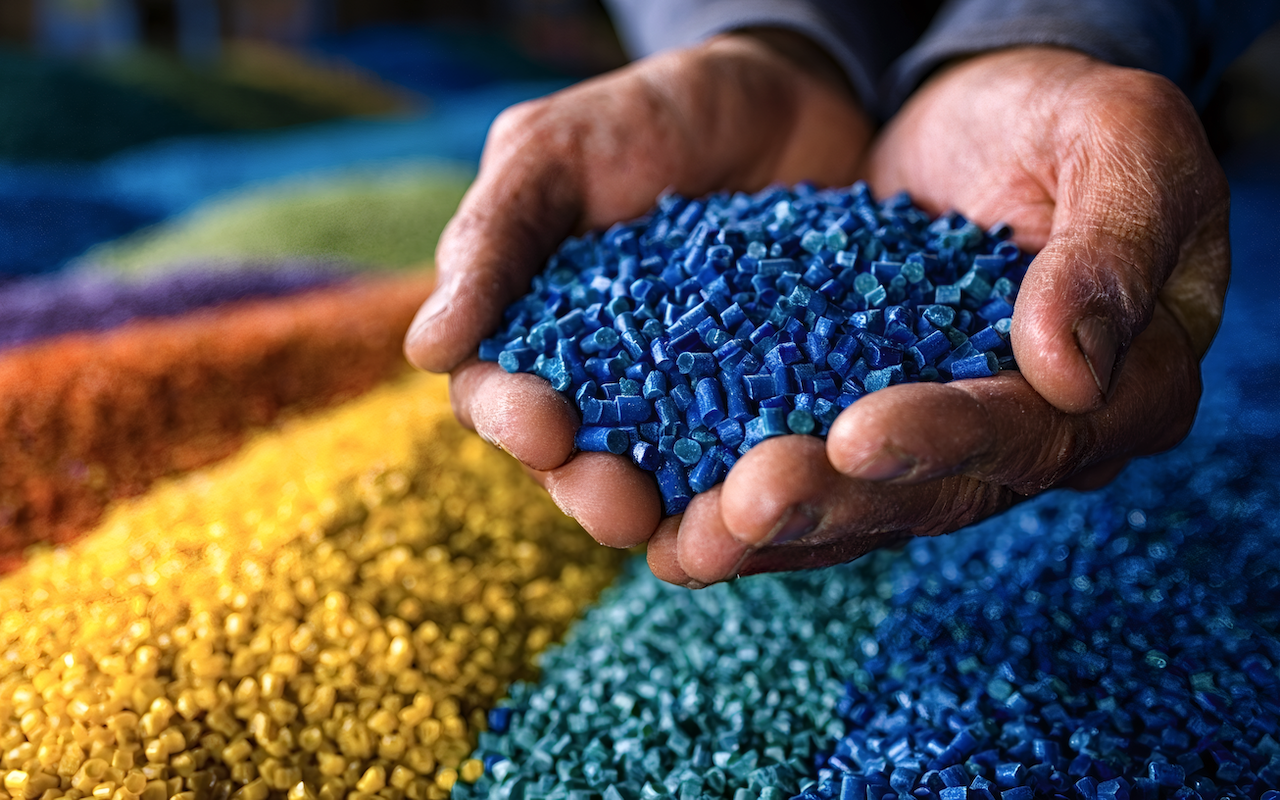
We live in a world that’s heavily reliant on plastic. It’s everywhere you look, in its myriad shapes and forms: in clothing, personal care products, car tyres, packaging, and household items. Even the device you’re using to read this article is mostly made of plastic. This highly versatile material is simply inescapable, and in many cases, indispensable.
The ubiquitousness of plastic has even led historians and archaeologists to consider naming the current era, within the proposed geological epoch Anthropocene, the “Plastic Age”, which wouldn’t be far-fetched since this material has all but transformed our world. For better or for worse, plastic is the element that best defines our modern society, and has done so for quite a while.
Since the invention of synthetic plastic in 1907 by Belgian chemist Leo Baekeland, its production and consumption have continued to increase. After World War II, the plastic industry exploded, with production going from 2 million tonnes to 8 million tonnes per year in just a decade. This surge was driven by a combination of post-war consumerism and manufacturers’ push for more everyday items made of plastic, which they presented as the modern, clean, and affordable alternative to commonly used materials like glass and metal.
Later on, the emergence of new manufacturing techniques like low pressure structural foam moulding further contributed to the popularisation and widespread adoption of plastics across industries, as it facilitated the large-scale production of plastic items. So, just like that, plastic became the material of the future, and the future is now. The industry keeps expanding, with the latest data revealing it might reach $1.06 trillion, growing at a CAGR of 4.1%, between 2026 and 2035.
We’re not going to get into the benefits and the environmental issues that come with the mass production and consumption of plastics. This is rather a complex topic that has become a hot topic of debate nowadays, which means most people are familiar with these aspects. But we are going to talk about the industries that use the most plastic and find out what causes this dependency.
Medicine and healthcare
It’s quite ironic that a material that’s so often criticised for harming the health of the planet and all life on it also plays a key role in the medical sector. Plastic is widely used in medicine and healthcare due to its versatility, affordability, and ability to be sterilised. Without it, many of the innovations in modern medicine would not have been possible.
Maintaining hygiene in hospital settings depends on single-use items made of plastic, like gloves, syringes, and packaging, which protect against germs and prevent contamination and infection. Many of the instruments and devices that doctors use in their practice are either made of plastic or contain plastic components, such as IV bags, tubing, prosthetics, implants, or diagnostic equipment. The crucial role that plastic plays in the functioning of the healthcare system makes the sector one of the largest consumers of this material.
Food and beverage
The food and beverage industry also uses large quantities of plastic because of its convenience and protective properties. Packaging is perhaps the most visible example of how plastic is used in this sector. Think of plastic bottles, containers, films, and wraps that keep products fresh, extend shelf life, and allow for easy transportation.
The shift toward urban living and the rise of ready-to-eat and takeaway cultures have only intensified this reliance. Plastic is lightweight, mouldable, and inexpensive, making it the go-to solution for both producers and consumers. It also enables innovations like vacuum sealing and tamper-evident packaging that enhance food safety and reduce waste.
Consumer electronics
From the outer casings of smartphones, laptops, and televisions to internal components such as circuit boards and wiring insulation, plastics play a vital role in electronics manufacturing. Their insulating properties make them indispensable for protecting delicate circuits and preventing electrical hazards. Furthermore, plastic allows manufacturers to design sleek, lightweight, and durable gadgets that meet the demands of modern consumers. Without plastic, consumer electronics would be bulkier, heavier, and far more expensive to produce.
Plastic also contributes to developments in the field of wearable technology and flexible electronics. Polymers like polycarbonate and ABS are prized for their strength and transparency, while newer biodegradable and recyclable plastics are beginning to enter the market to meet growing environmental expectations.
Automotive
The automotive industry has long embraced plastic as a way to improve vehicle performance and efficiency. In the 1960s, car manufacturers began incorporating more plastic components to reduce weight, enhance fuel efficiency, and increase design flexibility. Today, an average car contains about 150 kilograms of plastic, accounting for roughly 10% of its total weight.
Plastics are used in dashboards, bumpers, fuel systems, seat fabrics, and insulation materials. Lightweight polymers such as polypropylene, polyurethane, and polyamide contribute to better aerodynamics and fuel economy, while also improving safety through energy-absorbing structures.
Construction
Plastic’s role in construction is often overlooked, yet it’s one of the largest consumers of this material. From insulation and pipes to flooring, roofing membranes, and window frames, plastics are integral to modern building design. Their resistance to corrosion, moisture, and chemicals makes them highly durable and low-maintenance. PVC, one of the most common construction plastics, is used extensively in piping and wiring systems, while expanded polystyrene (EPS) and polyurethane foams provide efficient insulation, improving energy performance in homes and offices.
The construction industry also benefits from plastic’s versatility in design and prefabrication. Lightweight plastic components, which you can read more about at hsv-tmp.com, are easier to transport and assemble, reducing overall costs and labour requirements. Moreover, innovations in recycled and bio-based materials are paving the way for greener building practices.
Final thoughts
Plastic surrounds us at every step, whether you’re aware of it or not. Its versatility, affordability, and performance have enabled entire industries to evolve and flourish. Yet, this very success is what makes reducing our reliance on it such a challenge. As global plastic production continues to rise, the focus must now shift from mere consumption to innovation—finding smarter, more sustainable ways to produce, use, and recycle it.
Featured Image by Vecteezy.
Share this post
Leave a comment
All comments are moderated. Spammy and bot submitted comments are deleted. Please submit the comments that are helpful to others, and we'll approve your comments. A comment that includes outbound link will only be approved if the content is relevant to the topic, and has some value to our readers.
Comments (0)
No comment