
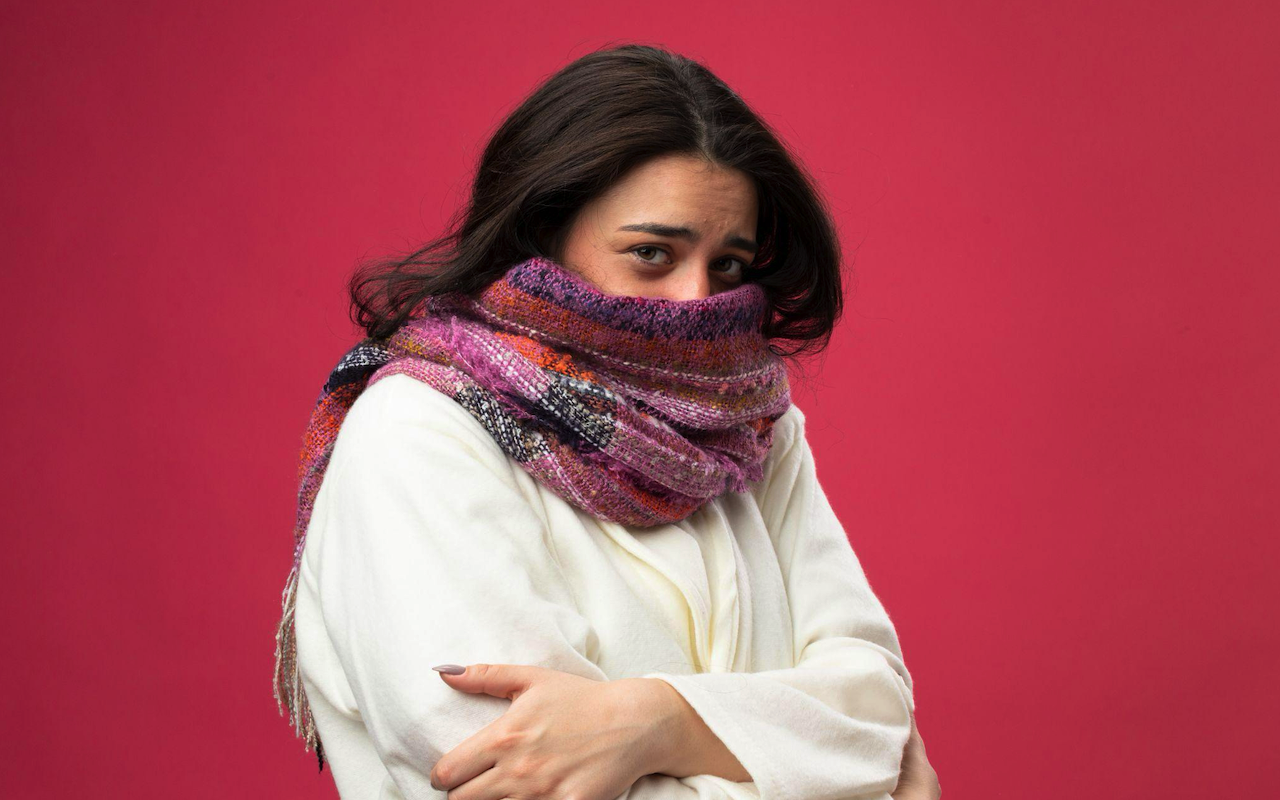
Scarves have the potential to be more than just accessories. They can accentuate a person's style and add a touch of elegance to their attire. However, what makes a scarf soft and pleasing to the touch? This is determined by the materials used. Fabrics vary in their textures and potential warmth, and more importantly, the "drape" of the scarf is determined by the type of textile used.
This paper aims to study how different scarves affect the comfort, style, and durability of the accessory, the significance of selecting the right fabric, and the ideal fabrics for differing needs and seasons.
The Role of Fabric in a Scarf
A scarf's fabric determines the comfort and the overall experience. This influences scarf breathability, how it flatters the user's silhouette, and how it transforms their overall appearance.
In the summer, a scarf made of silk and chiffon will be cool and lightweight. Wool and fleece will be warm and cosy in the winter. A scarf's fabric will characterise the way it drapes, either smoothly and freely or in a stiff and structured manner.
Different components come together to influence the value of a scarf and how it is constructed. These include texture, fiber style, and the manner in which the material is woven together. If you want to learn about and feel the differences between various fabrics and their compositions from the comfort of your home, browsing an online fabric store with a wide selection is an excellent choice. Since retailers provide details on each fabric's uses, composition, texture, and even recommended colors, it makes it incredibly convenient for you to create the perfect scarf yourself.
1. The Science of Scarf Fabrics
Different fabrics used to make a scarf have varying degrees of characteristics and suitable designs. The weave style, type of fiber used in a scarf, and the treatment it goes through after production affect the scarf's softness, warmth, and overall durability.
Scarves made of natural open-weave cotton and silk fabrics are breathable and cool the skin, and therefore perfect for warm weather. In contrast, polyester, a type of synthetic fiber, is warm and breathable, wrinkle-resistant, and therefore perfect for travel scarves, as they are less breathable.
Most scarf fabric determines the overall cost and quality of a scarf collection. It helps designers and retailers develop a more varied collection of scarves to feel bulkier.
2. Comfort Comes from Fiber Choice
To a large degree, the type of fiber used in a scarf determines the comfort it offers. Fibers are placed into three main categories, which are natural, synthetic and blend. Each of the three classes has unique characteristics.
Natural Fibers
- Scarves made from cotton, silk, linen, and wool are breathable and gentle on the skin.
- As soft and absorbent fabrics, cotton scarves are perfect for everyday use.
- Silk scarves are ideal for adding luxury and shine for the silk during formal occasions.
- For summer, lightweight linen scarves are an excellent choice, as they are cool and breathable.
- During winter, wool and fleece scarves are best as they provide excellent insulation and warmth.
Synthetic Fibers
Synthetic fibers such as polyester, acrylic, and nylon are recognised for their durability as well as their resistance to wrinkling and shrinking. In particular, polyester scarves retain their colour and provide no shrinking. Acrylic, on the other hand, scarves are lighter, easier to maintain, and imitate wool.
Blended Fabrics
Some fabrics, like French terry fabric, can blend the best of both worlds, and both the natural and the synthetic worlds. French terry has enough softness and stretch for you to comfortably and stylishly create scarves and enough absorbency for you to create scarves that one could comfortably wear during any season of the year.
How Fabric Weave Affects Scarf Style
How the scarf will feel, drape, and look depends on which weave pattern is used. Weaves create differing textures, resulting in different and unique looks.
- Plain weave: Simple, smooth, and durable. Commonly used for cotton scarves.
- Twill weave: Diagonal ribbed pattern that gives structure and depth. Ideal for wool scarves.
- Satin weave: Produces a glossy surface, perfect for silk scarves.
- Knitted weave: Soft and stretchy, providing warmth and comfort.
Individual preferences for look and comfort can be satisfied with differing weaves and styles.
Seasonal Fabrics for Scarves
Having the right fabric will ensure the scarf is comfortable to wear during any season. Different scarves can be used during different types of weather.
Summer Scarves
During the summer season, individuals prefer materials that are lighter in weight, such as cotton, silk, and chiffon. These textiles create a breathable atmosphere and help in diminishing perspiration.
Winter Scarves
During the cold winter months, scarves made out of wool, cashmere, and fleece cloth are wonderful alternatives because they retain body heat and ensure adequate warmth.
Transitional Seasons
For the spring or autumn months, French fabric or light wool blends provide the proper combination of breathability and warmth.
Choosing a scarf that corresponds to the season will ensure comfort. Moreover, this will protect the fabric from undue wear and tear.
Style Influence of Scarf Fabrics
The type of material used to make a scarf extends beyond providing comfort; it also indicates the style and the diversity of looks that can be achieved.
Casual Look
For more casual, everyday attire, people wear cotton and linen scarves. The matte finish of these textiles adds to a laid-back finish.
Elegant Look
People also put on silk and satin scarves as a means to attain elegance. The finish and texture of these materials are highly lustrous, which enhances the aesthetic of the outfit to a great degree.
Sporty Look
Jerseys and French fabric give a relaxed and sporty appearance to scarves. These materials are stretchy, soft, and easy to care for.
An appropriately matched scarf made from the right material has the potential to drastically enhance an outfit’s aesthetic appeal.
Durability and Maintenance
Every scarf needs a minimal level of maintenance to preserve softness and colour scarf’s longevity is a factor of the material it is made of and the manner in which it is cared for.
- Cotton scarves can be laundered in a washing machine.
- Silk scarves must be hand-washed or sent to the dry cleaners.
- Wool scarves can only be washed gently with a mild detergent.
- Polyester scarves can withstand regular washing and do not need special care.
By following the care guidelines for each specific type of fabric, you will be able to keep your scarf in wonderful shape for a long time.
Eco-Friendly Fabric Choices
- As more and more environmentally sustainable practices are integrated into everyday life, an increasing number of people are choosing sustainable fabrics for their scarves.
- The use of organic cotton reduces the volume of cotton produced with pesticides.
- Soft, breathable and biodegradable, bamboo fabric possesses multiple desirable traits.
- For those who prefer polyester, recycled polyester is a sustainable option.
- Each of these alternatives will improve the style of your scarf while maintaining ecological harmony.
Fabric Weight and Texture
- The temperature and general appearance of a scarf are influenced by its weight and bulk.
- For layering, lightweight cotton or silk scarves are best.
- Medium scarves made of linen or fabric blends offer a reasonable balance of comfort.
- To achieve maximum warmth, the scarf can be made of wool or fleece.
The texture of a scarf also alters its appearance and can impact how the wearer is perceived. Various textures evoke dissimilar impressions. Smooth textures, for instance, communicate a more formal appearance, while rugged textures convey a more relaxed and earthy vibe.
The scarf’s vibrancy also depends on the types of dyes applied to the scarf’s fabric. Since natural fibers like silk and cotton absorb dyes more fully, they result in drapery of a darker tone. Although the dyes on synthetic fabrics are bright and starkly contrast with the natural tones, they may not look as bright.
The best dyeing techniques assure the customer that the scarf will retain its vibrant colour, even after multiple washes.
Determining the Purpose
The purpose of the scarf may indicate a fabric choice to provide the necessary warmth, protection, or style.
- Being aware of climate conditions helps in selecting the appropriate weight of fabric.
- Those that who prone to skin allergies or sensitivities will appreciate soft textiles like silk or cotton.
- For easy maintenance, choose easy-care materials.
- The choice of fabric determines how significantly the design of the scarf can be altered, showcasing the designer’s skill in selecting fabrics that elevate the style of the scarf.
Canvas coined the term "textile architect" to elevate the status of painters when marketing the "Textile" exhibition. This term refers to a designer who combines coloured forms with fabric. To architects, a textile is a piece of fabric; to painters, a textile is a form of colour.
Highly qualified consumers, especially in the fashion business, seek art-producing art-producingterns on fabric, as well as innovation in printing. Geometry is shifting and moving. With the integration of mathematical modelling design.
During the design process, the use of mathematical modelling allows for the appreciation of the versatility of geometry in movement and change.
Professionals in the fashion industry, particularly those with high standards, appreciate and seek out artistic innovation in textile design, especially in pattern and colouration for fabric printing.
Conclusion
Different styles, textures, and levels of comfort present in a scarf stem from the varying fabrics. For instance, wool provides a different cosiness, silk's elegance, and each fleece scarf serves a different, versatile purpose. All different fabric types tell a different story.
The proper fabric provides comfort and highlights the personal style of the wearer. Next time you put on a scarf, make sure to admire the fabric, as it is the centrepiece of your accessory.
 Frequently Asked Questions
The best winter scarf fabrics are wool, cashmere, and fleece. They provide warm insulation by trapping heat.
Silks and cotton are the most beneficial for sensitive skin, offering comfort for those with skin sensitivities and allergies.
When cleaning silk scarves, use lukewarm water along with mild detergent. Avoid wringing as it can damage the scarf; instead, allow it to air dry flat.
Absolutely. Fleece fabric is soft, absorbent, and comfortable. This fabric is suitable for casual and sporty scarves.
You can check wholesale fabric suppliers. These suppliers offer high-quality, inexpensive fabric in a wide variety of textures and colors.
Share this post
Leave a comment
All comments are moderated. Spammy and bot submitted comments are deleted. Please submit the comments that are helpful to others, and we'll approve your comments. A comment that includes outbound link will only be approved if the content is relevant to the topic, and has some value to our readers.
Comments (0)
No comment