
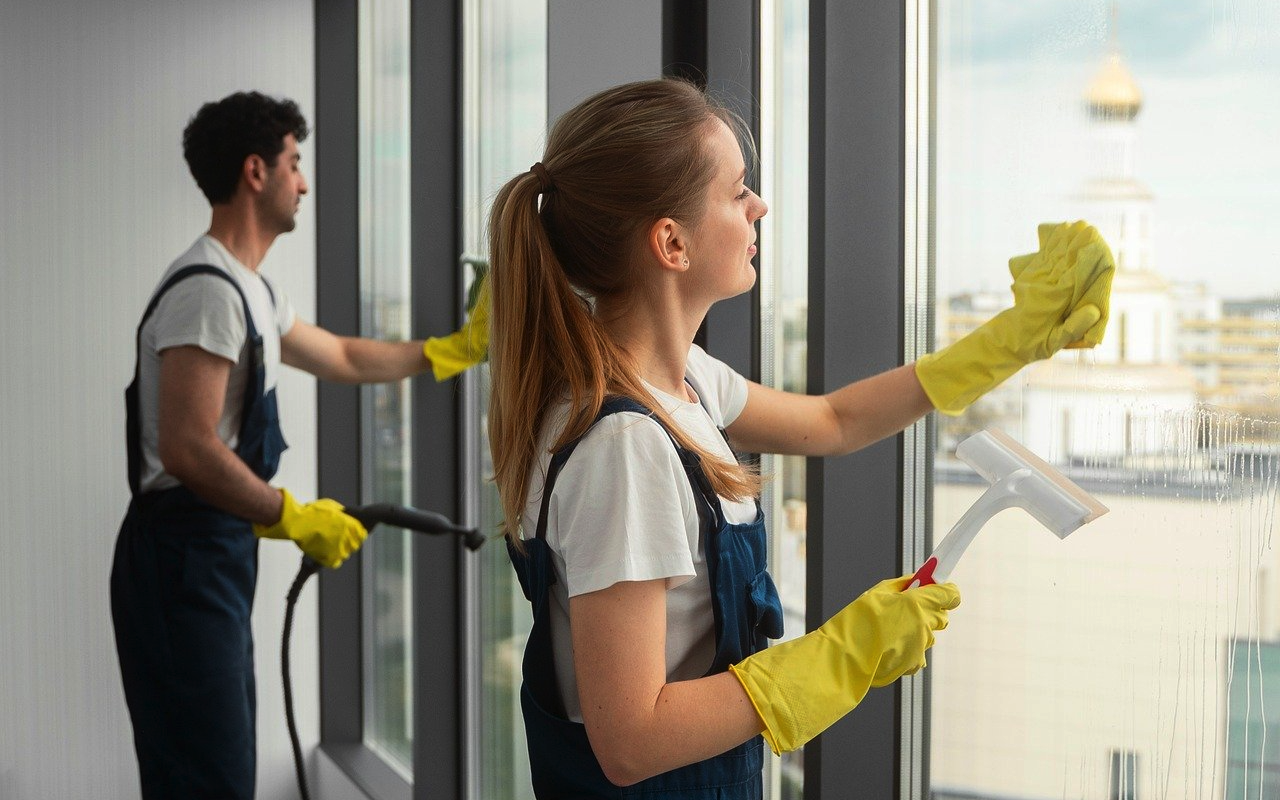
As a web developer, I spend my days architecting systems, optimizing processes, and leveraging data to build more efficient and intuitive platforms. It’s fascinating to see these same principles, traditionally confined to the digital realm, now fundamentally transforming an industry as seemingly analog as house cleaning services.
Across the globe, we're witnessing a paradigm shift, driven by smart tech, automation, and data-driven insights. This isn't just about cleaner homes; it's about a more intelligent, optimized approach to an essential service.
The Algorithmic Ascent of Automation
When I talk about automation in cleaning, most people immediately picture a robotic vacuum. And while Roomba's early iterations were charmingly clunky, today's robotic cleaning devices are sophisticated pieces of engineering, showcasing impressive strides in AI and sensor technology.
SLAM Navigation & Pathfinding:
Modern robot vacuums and mops leverage Simultaneous Localization and Mapping (SLAM) algorithms. This isn't just random bumping; it's real-time mapping of environments, obstacle avoidance, and dynamic path optimization to ensure comprehensive coverage. Think of it as a low-level GPS for your living room, ensuring no spot is missed and no time is wasted.
IoT Integration & API Control:
Beyond just doing their job, these devices are increasingly Internet of Things (IoT) endpoints. This means they can be integrated with smart home ecosystems (Google Home, Amazon Alexa), controlled via robust mobile applications, and even updated with over-the-air firmware, continuously improving their performance and adding new features. We're talking about direct API access for scheduling, status monitoring, and custom routine triggers.
Specialized Robotics:
It’s not just floor care. We're seeing proof-of-concept and commercially available robots for window cleaning (think suction-based wall-crawlers) and even gutter cleaning. These are essentially specialized single-purpose robots designed to handle tasks that are either tedious, time-consuming, or pose safety risks for humans.
Smart Homes, Smarter Cleaning Protocols
The true power emerges when cleaning technology moves beyond standalone devices and integrates into a broader smart home ecosystem. This is where the developer in me gets genuinely excited.
Event-Driven Cleaning Automation:
Imagine your smart home system detecting you've left for work (via geofencing or disarming the alarm) and then triggering your robotic vacuum. Or a particulate matter sensor detects poor air quality and prompts your air purifier to activate. This is event-driven automation, where cleaning becomes a seamless, proactive component of your home's routine, managed by an intelligent hub.
Predictive Maintenance & AI Learning:
Some advanced systems are starting to incorporate rudimentary AI and machine learning. They can analyze usage patterns (e.g., foot traffic in certain areas, pet hair accumulation) to suggest optimal cleaning schedules or even predict when a filter might need changing. This moves cleaning from reactive to predictive, enhancing efficiency and extending device lifespan.
Data-Driven Service Delivery:
For professional cleaning services, this data is invaluable. Imagine a service tracking the square footage cleaned per hour, optimal routing through a home, or even the most effective cleaning agents for specific surfaces based on previous outcomes. This enables them to optimize staff allocation, refine service offerings, and provide more accurate quotes, all backed by empirical data.
Beyond the Bots: Enhancing Operational Efficiency
While robots grab headlines, technology's impact on cleaning extends to the operational backbone of these services.
Digital Workflow Management:
Modern cleaning companies leverage sophisticated Customer Relationship Management (CRM) and Enterprise Resource Planning (ERP) software. This allows for seamless scheduling, invoicing, client communication, and team dispatching. Think digital checklists, real-time job updates, and automated client notifications – all designed to minimize friction and maximize efficiency.
Advanced Equipment & Chemical Formulations:
It's not just about what cleans, but how it cleans. High-efficiency particulate air (HEPA) filters in vacuums, advanced microfiber technology, and bio-enzymatic cleaning agents represent advancements in chemical and material science that complement the digital tools, providing deeper, healthier cleans with often reduced environmental impact.
Transparency & Accountability:
For clients, mobile apps provided by cleaning services offer unprecedented transparency. You can view cleaner profiles, track their arrival, provide real-time feedback, and even see a summary of tasks completed – all through a user-friendly interface. This fosters trust and builds stronger client relationships.
The Augmented Human: Elevating the Role of Cleaners
It's crucial to understand that technology isn't replacing human cleaners; it's augmenting their capabilities and elevating their role.
Skill Diversification:
Operating and troubleshooting advanced cleaning tech requires a different skillset. Cleaners become more like technicians, managing fleets of automated devices and utilizing data to inform their manual work.
Focus on Detail & Customization:
By offloading repetitive, large-area tasks to robots, human cleaners can focus on the meticulous details: sanitizing high-touch surfaces, organizing specific areas, and delivering the personalized touch that truly makes a house a home.
Improved Ergonomics & Safety:
Robotics can handle the heavy lifting, the reaching into difficult areas, or the prolonged exposure to certain environments. This improves cleaner safety and reduces physical strain, leading to a more sustainable and healthier profession.
The Future: Interconnected, Intelligent, Impeccable
Looking ahead, the convergence of AI, IoT, and advanced robotics promises an even more interconnected and intelligent cleaning experience. Imagine predictive maintenance alerts for your home appliances, smart bins that signal when they're full, or even air quality monitors that trigger specific cleaning protocols based on detected allergens.
For us, the tech-minded, it's an exciting time. The "spotless revolution" is not just a marketing slogan; it's a testament to how well-designed technology can fundamentally improve daily life, making our homes not just cleaner, but smarter and more efficient.
Featured Image by Pixabay.
Share this post
Leave a comment
All comments are moderated. Spammy and bot submitted comments are deleted. Please submit the comments that are helpful to others, and we'll approve your comments. A comment that includes outbound link will only be approved if the content is relevant to the topic, and has some value to our readers.
Comments (0)
No comment