

Virtual Private Network, Cybersecurity, Games
A General Guide to CS2 Cheats, Fair Play, and Third-Party Tools in Counter-Strike 2
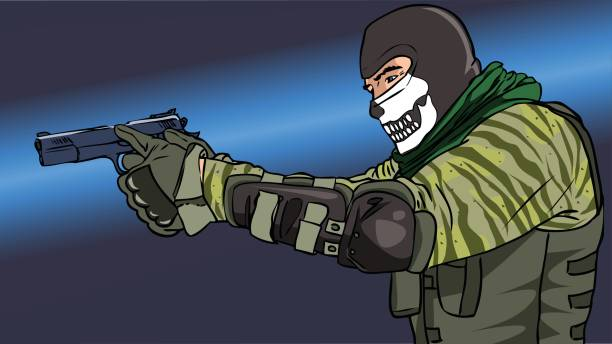
Counter-Strike 2 is one of the most competitive first-person shooters available today, with millions of active players across ranked matchmaking and third-party platforms.
Along with that scale comes a well-documented ecosystem of cheating software, anti-cheat responses, and legitimate tools that players use to gain an edge.
This article breaks down what CS2 cheats actually are, how Valve's detection systems respond to them, and which third-party tools operate entirely within the rules.
Understanding CS2 Cheats
CS2 Cheats are external software programs that modify game behavior to give players advantages that the base game does not offer. They vary significantly in how obvious they are and how long they typically go undetected before Valve's anti-cheat flags them.
Knowing what these tools are matters for any competitive player, including those who simply want to recognize when they are playing against someone using them.
Common Types of Cheats in CS2
The most frequently encountered cheat types in CS2 matchmaking include:
- Aimbot – Automatically moves the crosshair to enemy targets. Some versions use smoothing to appear more human-like, while others snap directly to heads.
- Wallhack / ESP – Displays enemy positions, health bars, or outlines through solid surfaces, giving users constant awareness of opponent locations.
- Triggerbot – Fires the weapon the moment the crosshair passes over an enemy hitbox, removing human reaction time from the equation.
- Radar Hack – Shows all enemy positions on the minimap regardless of whether any teammate has visual contact with them.
- Spinbot – Rotates the player character rapidly to make targeting difficult, primarily seen in unregulated or hack-versus-hack lobbies.
Valve uses VAC on official servers as a user-mode scanner checking processes, modules, and memory modifications, and third-party platforms like FACEIT run separate kernel-level anti-cheat clients with deeper system access. Players searching for CS2 Cheats should know that using these tools violates Valve's Terms of Service and can result in a permanent VAC ban on the associated Steam account.
The Risks That Come With Free Cheat Software
Free CS2 Cheats carry risks that go beyond the possibility of a game ban. Most free CS2 cheats carry significant risk because publicly available source code is flagged by VAC within days of release, and downloads from unknown sites often contain malware.
This risk also applies to cosmetic-related third-party tools, including a CS2 Skin Changer, when they come from unverified sources or require access to game files and system processes. Users who download cheat software from unverified sources frequently expose their systems to keyloggers, credential theft tools, and Trojans embedded in the cheat file.
A temporary in-game advantage rarely justifies that level of account and device risk.
How VAC and Valve's Anti-Cheat Systems Work
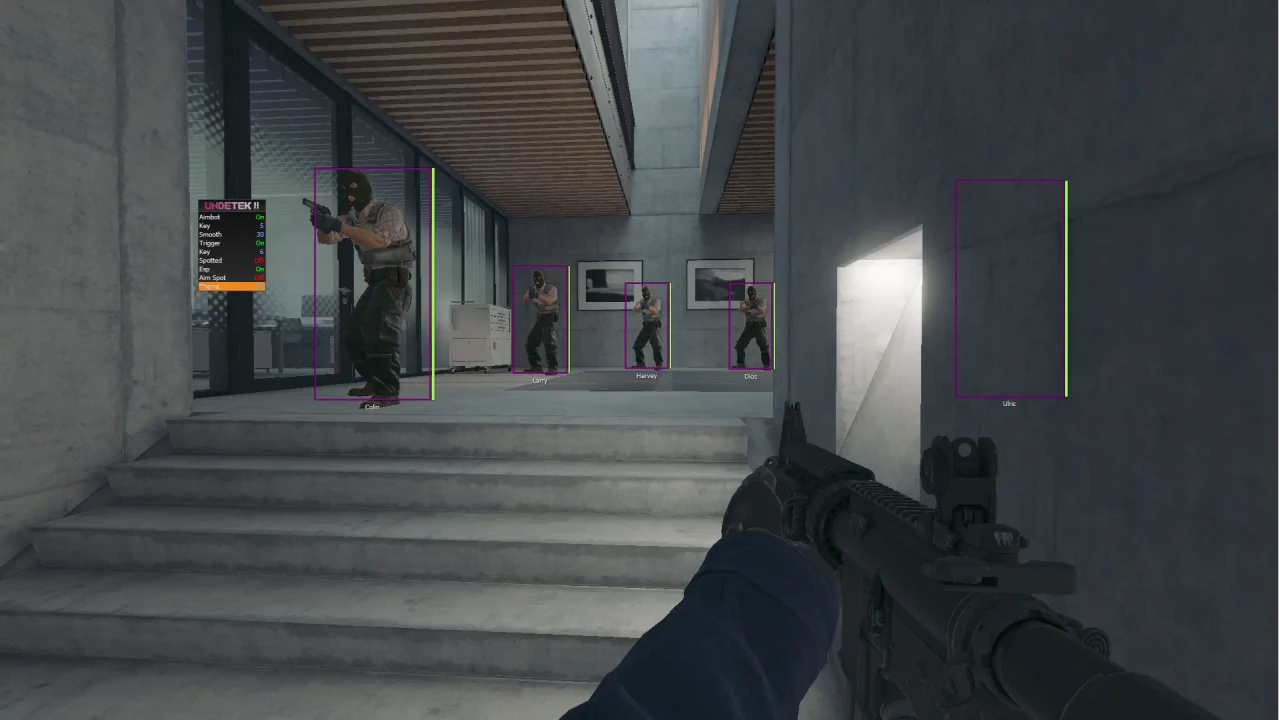
Valve has built several layers of detection into CS2, and the system has become significantly more responsive since the earlier days of CS:GO. Understanding how these systems function helps players appreciate why cheating carries real, lasting consequences.
VAC Live and Real-Time Detection
The core of CS2's anti-cheat is VAC Live, the third generation of Valve's VACnet system. VAC Live is a real-time cheat-detection system designed to protect the competitive integrity of all Valve-secured servers and is prevalent in both professional and casual settings.
Key components of the system include:
- Real-time bans – Cheaters can be detected and removed from a live match rather than through delayed ban waves.
- Machine learning detection – VACnet analyzes player behavior patterns to flag statistical anomalies like inhuman aim consistency or impossible reaction speeds.
- Kernel-level access – CS2 operates with deeper system permissions, allowing broader scanning of unauthorized processes during gameplay.
Over 1.2 million accounts have received VAC bans since CS2's release. VAC bans are permanent and cannot be appealed through Steam Support.
Trusted Mode and Overwatch
Trusted Mode is a core security feature in CS2 that limits the software and processes that can interact with the game. When enabled, it blocks most cheat programs from functioning, and players using non-cheat-related software like recording tools must manually whitelist them.
Overwatch is a community review system where experienced players with strong competitive histories can watch and vote on reported matches. Enough consistent votes result in an account ban without requiring a direct VAC detection event.
Legitimate Third-Party Tools CS2 Players Actually Use
A large and active ecosystem of performance tools operates completely within Valve's guidelines. These platforms are used by casual players and professionals alike to track stats, identify weaknesses, and practice in cleaner competitive environments.
Stats Trackers Worth Using
Several platforms allow players to connect their Steam accounts and receive detailed performance analysis:
- Leetify – Leetify uses AI-driven analysis to offer personalized feedback on gameplay, identify specific areas for improvement, such as aiming and positioning, and compare stats to those of higher-ranked players. It integrates with FACEIT for additional analysis.
- Tracker.gg – Covers match history, accuracy by weapon, headshot percentages, and opponent data. Steam and FACEIT accounts both integrate.
- HLTV.org – The long-running professional CS stat database. Useful for following pro match data and understanding how top players approach specific maps.
Competitive Platforms: FACEIT and ESEA
FACEIT runs its own kernel-level anti-cheat client and is generally regarded as having a lower rate of cheating than standard Valve matchmaking. ESEA offers a similar environment and carries strong credibility in the competitive CS community.
Both platforms integrate with Leetify and Tracker.gg, making them practical choices for players who take ranked improvement seriously and want better data on their performance.
Fair Play in CS2: What Players Can Actually Do
Playing fairly in CS2 is not only about personal ethics. It directly affects your matchmaking experience. Valve's Trust Factor system pairs accounts of similar standing, so a clean account history leads to better match quality over time.
Practical Steps for Clean Competitive Play
- Report suspicious players – Use the in-game reporting tool when you notice behavior that points to cheating, such as tracking targets through walls or snap-aiming at impossible speeds.
- Keep Trusted Mode active – This setting in CS2's launch options prevents most unauthorized software from interfacing with the game.
- Maintain account health – Avoid behavior that lowers your Trust Factor, such as frequent early disconnects or receiving a high volume of reports.
- Switch to FACEIT for ranked play – If cheating in standard matchmaking is a persistent problem, FACEIT's stricter anti-cheat environment reduces exposure significantly.
Securing your connection also matters. Some competitive players use VPNs to reduce exposure to DDoS attempts and IP-based interference during matches. For more on this, 6 Reasons Why You Need a VPN for Gaming covers the practical overlap between network privacy tools and online gaming security.
Final Thoughts
CS2's cheat ecosystem is active, well-documented, and constantly running against Valve's increasingly capable detection systems. For players who want to understand the competitive environment they are in, knowing which tools these are and how they get caught is genuinely useful.
The legitimate side of the third-party tool ecosystem is just as rich. From Leetify's data-driven feedback to FACEIT's cleaner matchmaking, the options available to honest, competitive players provide a clear path to improvement without any risk to their accounts.
Comments
Comments are moderated to keep the discussion useful and respectful. Spam, automated submissions, and low-value promotional comments are removed. Comments with outbound links may be approved when the link is relevant to the article and genuinely helpful to readers.
No comments have been published yet.