

Virtual Private Network, Cybersecurity, Privacy
Cybersecurity in Everyday Life: How VPN Help You Stay Protected
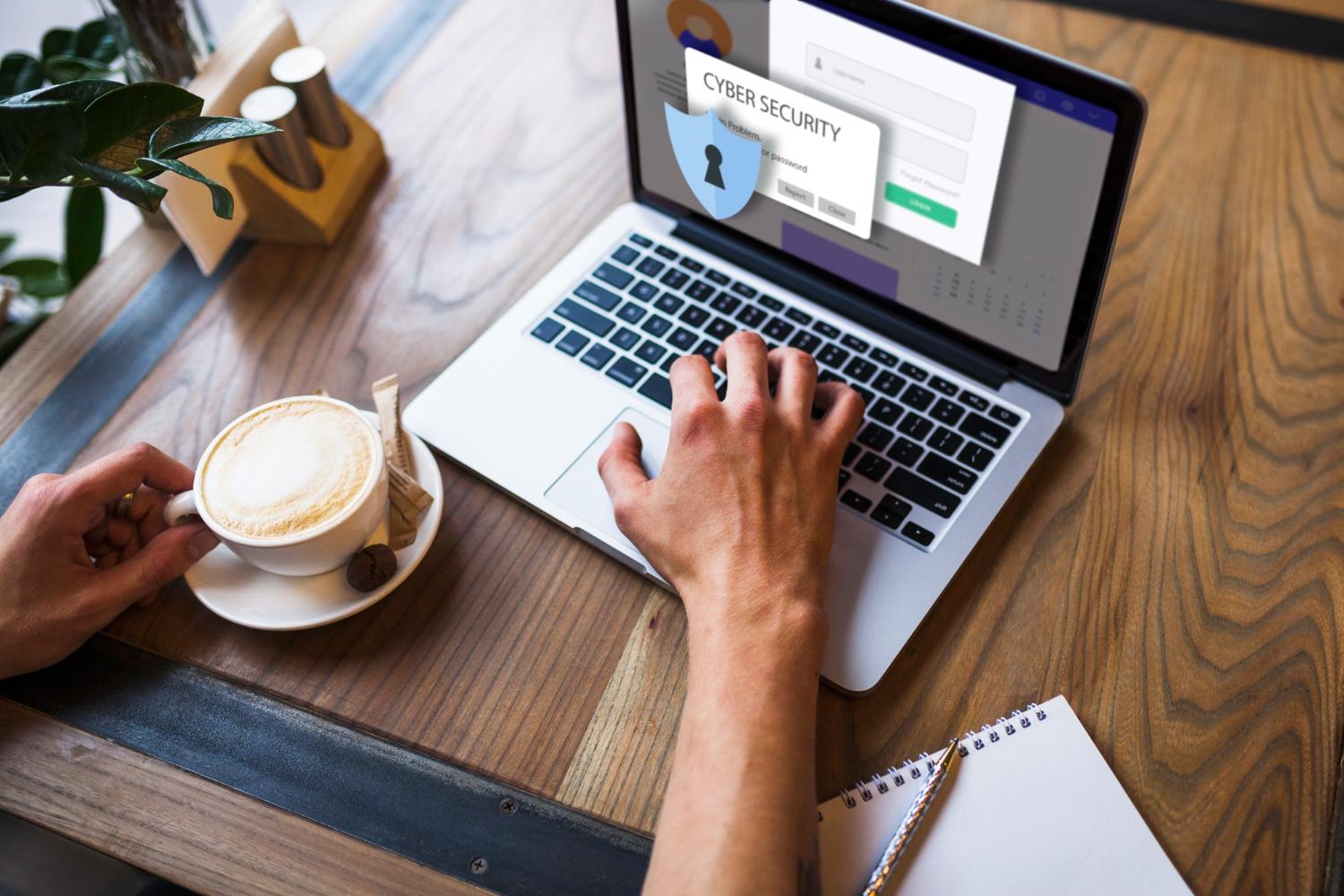
The internet has woven itself into nearly every part of daily life, from banking and shopping to work and conversation. With that convenience comes exposure. Every connection we make leaves a trail, and every public network we join is a potential point of weakness. Cybersecurity is no longer a concern only for big companies or technical experts. It is something that touches anyone who logs on, which is to say almost everyone. Understanding the basics and the tools that help has become a genuinely practical skill.
Why Cybersecurity Has Become Everyone's Concern
Not long ago, online threats felt distant, the stuff of news stories about distant corporations. That has changed. Today, ordinary people face phishing emails, fake websites, data breaches and snooping on unsecured networks as a matter of routine. The information at stake, including passwords, payment details, and private messages, is exactly what criminals want.
Part of the problem is how much of our lives are now lived online. A single compromised account can cascade to others, since so many services are linked. The good news is that a handful of sensible habits and tools can dramatically reduce the risk, and they do not require a background in technology to use.
What a VPN Actually Does
Among the most popular privacy tools is the virtual private network, or VPN. In simple terms, a VPN creates an encrypted tunnel between your device and the internet. Instead of your data traveling in the open, where it could be intercepted, it is scrambled and routed through a secure server, hiding both its contents and your real location.
This matters most on public networks. The free Wi-Fi at a cafe, airport, or hotel is convenient, but it is also a favorite hunting ground for anyone looking to intercept data. A VPN turns that risky connection into a private one, so the websites you visit and the information you send stay shielded from prying eyes. It also prevents your internet provider and various trackers from building a detailed picture of your browsing.
Finding a Genuine Deal Worth Taking
Good security tools are an investment, but they do not have to be expensive, and there is no need to pay full price when genuine discounts exist. Providers regularly run promotions, and the trick is finding ones that are real rather than misleading. Community discussions can be a useful place to compare what is actually on offer, and threads like this NordVPN deal collect the kind of firsthand feedback that helps separate a worthwhile offer from a gimmick.
When weighing any discount, it pays to read beyond the headline percentage. A long-term plan at a low monthly rate often represents far better value than a short trial that renews at a steep price. Looking at what real users say about a provider's reliability, speed, and support gives a fuller picture than the marketing alone ever could. A deal is only a good one if the underlying service is genuinely worth using.
What to Look for in a VPN
Not all VPNs are equal, and the cheapest option is not automatically the best. A few qualities separate a trustworthy service from the rest. Strong encryption is the baseline, and a clear, independently audited no-logs policy matters just as much, since a VPN that records your activity defeats much of its purpose.
Speed and server coverage affect the day-to-day experience, especially if you stream or work across regions. Ease of use counts too, because security tools only help if you actually keep them switched on. Reliable customer support and compatibility with all your devices round out the picture. Weighing these factors together, rather than focusing on price alone, leads to a choice you will be happy with long after the discount is forgotten.
Common Cybersecurity Mistakes to Avoid
Even the best tools cannot protect against careless habits, and most breaches trace back to simple, avoidable errors. Reusing the same password across multiple sites is among the most common practices, since a single leak can unlock everything. Skipping software updates leaves known weaknesses open, and clicking links in unexpected emails remains a leading cause of trouble.
National security bodies publish plain language guidance on these basics, and they are worth heeding. The United Kingdom's National Cyber Security Centre, through the NCSC, offers straightforward advice on passwords, updates, and recognizing scams that applies to people everywhere. Pairing reliable tools with these everyday habits is what real protection looks like.
A VPN Is One Layer, Not the Whole Solution
It is important to keep a VPN in perspective. It is an excellent tool for privacy and for securing your connection, but it is not a complete shield on its own. A VPN will not stop you from entering your password into a fake website, nor will it protect an account that uses a weak, reused password. Thinking of it as the only safeguard is a mistake.
The strongest approach layers several defenses together. Strong, unique passwords stored in a password manager, two-factor authentication on important accounts, regular updates, and a healthy skepticism toward unexpected messages all work alongside a VPN. Each layer covers a different gap, and together they make you a far harder target than any single tool could on its own.
How to Evaluate a Discount Properly
Because security spending is ongoing, getting good value matters. The most useful question to ask of any deal is what it costs over the full term, not just in the first month. Promotional pricing often applies only to a long commitment, so it helps to be honest about whether you will keep using the service.
It is also worth checking the provider's track record on the things that cannot be discounted, such as its privacy policy, its history with any data requests, and how it has handled security incidents. A cheap subscription to an untrustworthy service is no bargain at all. The aim is to pay a fair price for a tool you can genuinely rely on.
Building Better Habits Over Time
Cybersecurity is less of a one-off purchase than an ongoing practice. Setting up a VPN, turning on two-factor authentication, and adopting a password manager are great first steps, but the real protection comes from making these habits routine. Reviewing your accounts occasionally, staying alert to new types of scams, and keeping your software current all become second nature with a little time.
The reassuring part is that these habits compound. Each small step makes the next breach less likely and, if it ever occurs, less damaging. You do not need to become an expert, only to stay consistent, and the tools available today make that easier than ever.
Staying Safe Without Overspending
Protecting yourself online does not have to be complicated or costly. A reliable VPN, secured at a fair price through a genuine deal, is one sensible piece of a broader, layered approach to staying safe. Combined with strong passwords, careful habits, and trusted guidance, it gives ordinary users a real measure of control over their privacy.
The threats are not going away, and the amount of our lives spent online only grows. That makes a modest, ongoing investment in security one of the smartest decisions a person can make. Choose your tools carefully, take advantage of honest discounts, and build the everyday habits that turn good tools into lasting protection.
Related Articles
June 15, 2023
Benefits of Using VPN when Using Public WiFi
Many people rely on public WiFi networks when they are on the go, whether it's at a café, airport, or hotel. These networks offer convenience and accessibility, allowing us to stay...
Read More
May 25, 2023
Why Your Business Needs a VPN: Protecting Your Data and Your Employees
We basically live on the internet these days, sharing all our personal information with thousands of other people who, if they had the means and motivations to do so, could steal o...
Read More
June 17, 2019
Are Free VPNs Worth Considering?
A virtual private network (VPN) is a network technology used to extend two or more private networks over a public network (i.e. Internet). It accomplishes this by creating a secure...
Read More
Comments
Comments are moderated to keep the discussion useful and respectful. Spam, automated submissions, and low-value promotional comments are removed. Comments with outbound links may be approved when the link is relevant to the article and genuinely helpful to readers.
No comments have been published yet.