

Crypto & Blockchain, Technology, Finance
How Crypto Cards Work: A Beginner's Guide to Spending Digital Assets
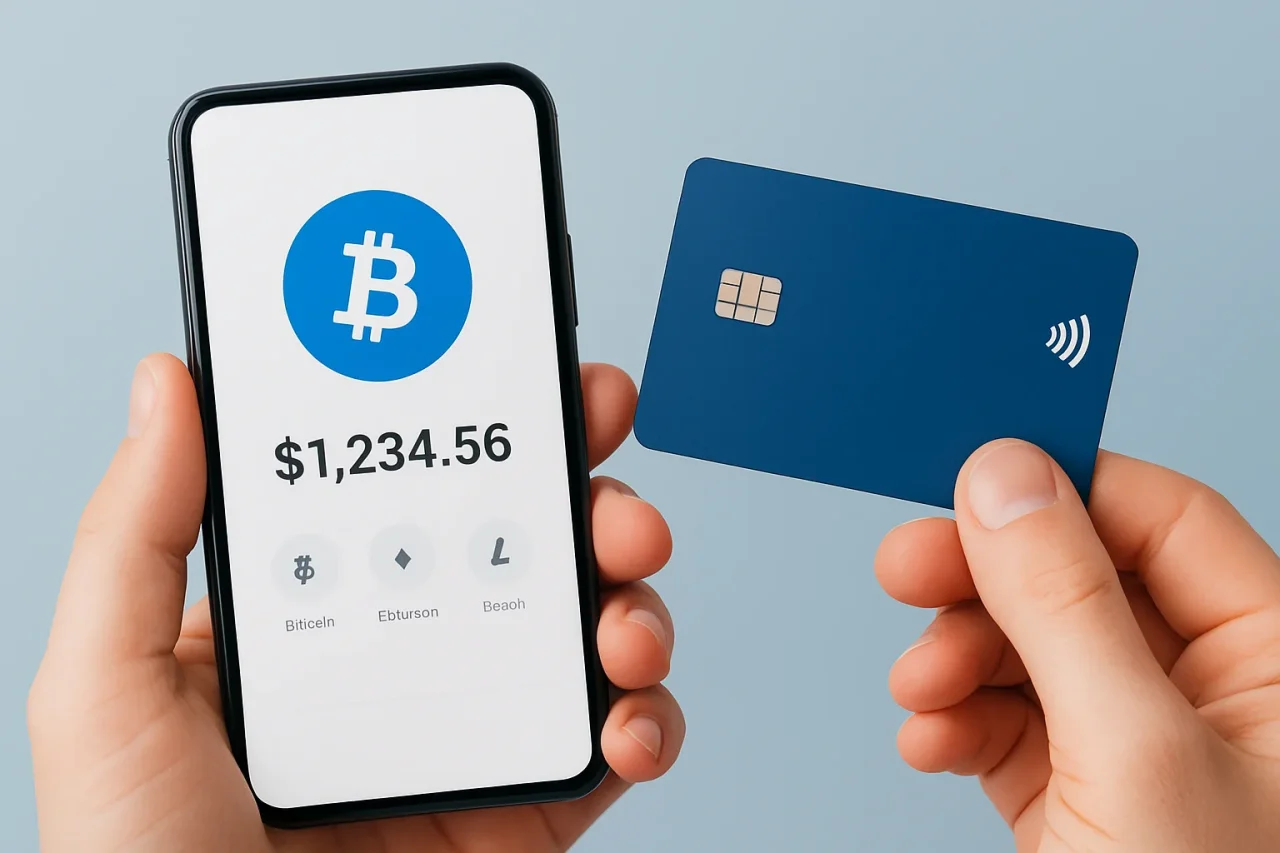
Some platforms, such as Karta, pair payment cards with digital wallets to help users spend digital assets for everyday purchases rather than simply holding them.
What Is a Crypto Card?
A crypto card is simply a payment card built to let you spend cryptocurrency on everyday purchases. Instead of converting coins into cash by hand before every transaction, the card handles that conversion for you by linking your crypto holdings to a payment network.
Depending on the provider, the card usually pairs with a digital wallet that holds your supported coins. When you make a purchase, the platform automatically converts the amount needed into the merchant's local currency.
Put simply, a crypto card blends the ease of a normal card payment with the flexibility of holding digital assets.
Common Features of Crypto Cards
- Digital wallet integration
- Virtual or physical payment cards
- Online and in-store payments
- Transaction history
- Security features such as identity verification and account protection
Benefits of Using a Crypto Card
Crypto cards keep gaining traction because they merge digital finance with regular, everyday spending.
Easier Everyday Payments
Instead of shuffling funds between different apps and services, you can tap into your supported digital assets directly through one card.
Better Convenience
Many crypto cards work for:
- Online shopping
- Subscription services
- Travel bookings
- Everyday purchases
- Digital payments
Faster Access to Funds
You can use your available crypto balance for eligible purchases without working through a string of manual conversion steps first.
Digital Wallet Integration
A lot of platforms fold the wallet and the card into one ecosystem, which makes managing digital assets noticeably simpler.
Growing Global Acceptance
As cryptocurrency adoption keeps climbing, more people are looking for practical ways to spend their digital assets in everyday situations.
Crypto Cards vs. Traditional Debit and Credit Cards
They might look similar on the surface, but crypto cards and traditional bank cards aren't built for the same job.
| Feature | Crypto Card | Traditional Debit Card | Credit Card |
|---|---|---|---|
| Primary Funding Source | Digital assets | Bank account | Credit line |
| Everyday Payments | Yes | Yes | Yes |
| Digital Wallet Integration | Yes | Usually | No |
| Cryptocurrency Support | Yes | No | No |
| Credit Borrowing | No | No | Yes |
| Spending Digital Assets | Yes | No | No |
Traditional cards are still the right tool for everyday banking, while crypto cards give people who actively hold digital assets another way to put that value to use.
Where Can You Use a Crypto Card?
How useful a crypto card is depends a lot on the provider and where its payment network is accepted, but here are the common use cases.
Online Shopping
Since most online retailers accept standard card payments, a virtual crypto card works well for digital purchases such as:
- Software subscriptions
- Streaming services
- Online marketplaces
- Digital products
Travel
Travel-related expenses may include:
- Hotel reservations
- Flight bookings
- Transportation services
- Travel-related purchases
Everyday Spending
Plenty of users rely on crypto cards for routine expenses, including:
- Restaurants
- Grocery stores
- Cafés
- Fuel stations
- Retail shopping
What's actually available comes down to the provider, the supported payment network, and local regulations.
How to Choose the Right Crypto Card
Not every crypto card is built the same way. Here's what's worth checking before you commit to one.
Supported Cryptocurrencies
Make sure the platform actually supports the coins you already hold.
Virtual or Physical Card
Some people only need a virtual card for online purchases, while others want both a virtual and a physical option.
Security
Look for providers that offer:
- Secure login
- Identity verification where required
- Transaction monitoring
- Account protection
User Experience
A clean, simple interface makes managing digital assets a lot less of a hassle. Consider:
- Mobile app quality
- Wallet management
- Transaction history
- Ease of navigation
Fees
Before signing up, read through the provider's fee structure, including anything tied to card use or account services.
Mistakes to Avoid When Using a Crypto Card
Using a crypto card isn't complicated, but a few common slip-ups can make the experience rougher than it needs to be.
Ignoring Fees
Check for applicable fees before making frequent transactions a habit.
Forgetting Security
Protect your account by:
- Using strong passwords
- Enabling two-factor authentication if available
- Monitoring account activity
Assuming Every Merchant Accepts Every Payment
Most merchants accept standard card payments, but actual acceptance still depends on the provider's payment network and local availability.
Final Thoughts: Is a Crypto Card Right for You?
If you're looking to incorporate digital assets into your everyday financial activities, choosing a reliable crypto card platform can help simplify the process. Many platforms combine a payment card with a digital wallet, allowing users to spend supported cryptocurrencies for everyday purchases while managing their assets in one place.
Taking the time to get this right means you get to enjoy what digital assets offer with more confidence and a lot less friction.
FAQ
FAQs
01Are crypto cards legal?
That depends on where you live. Always check the laws and regulations that apply in your country.
02Are crypto cards secure?
Security comes down to both the provider and your own habits. Strong passwords and following the account protection guidelines go a long way toward keeping things safe.
03Can beginners use a crypto card?
Yes, plenty of platforms are designed with beginner-friendly interfaces, so both newcomers and experienced crypto users can pick them up easily.
Disclaimer
This article is provided for general informational and educational purposes only and should not be considered financial, investment, legal, or tax advice. Cryptocurrency regulations, card availability, supported features, fees, and eligibility requirements vary by provider and jurisdiction and may change over time. Always conduct your own research and review the terms, risks, and applicable laws before using any cryptocurrency-related products or services.
References to third-party products, companies, or websites are provided for informational purposes only and do not constitute an endorsement by IPLocation.net. IPLocation.net is not responsible for the accuracy, availability, content, or practices of external websites and assumes no liability for any loss or damages arising from the use of third-party links or services.
Comments
Comments are moderated to keep the discussion useful and respectful. Spam, automated submissions, and low-value promotional comments are removed. Comments with outbound links may be approved when the link is relevant to the article and genuinely helpful to readers.
No comments have been published yet.