

Business, Information Technology
How Outsourced IT Services Help Small Businesses Scale With Ease
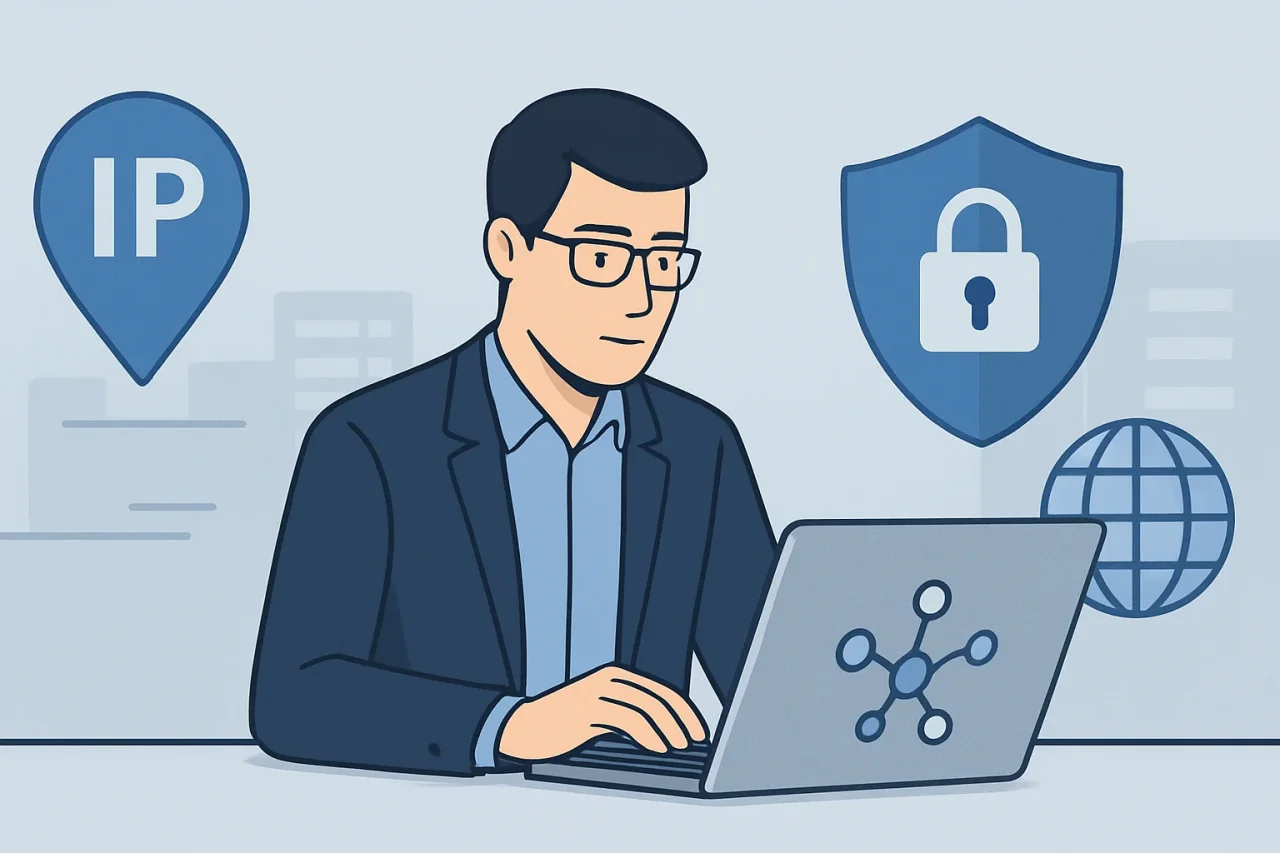
Small businesses often hit a point where growth strains every system behind the scenes. New staff, added software, and heavier customer demand can expose weak backups, slow support, and uneven device management. Owners then face a practical question: build a larger internal function, or bring in outside help. External technology support gives companies steadier coverage, clearer costs, and more room to expand without constant operational friction.
Why Growth Changes Technology Needs
Growth rarely breaks a company all at once. Pressure builds through small failures, late updates, missed backup checks, and delayed support requests. Each new employee adds devices, accounts, permissions, and training needs. A lean team can keep pace for only so long. Before revenue supports hiring several full-time specialists, many firms need broader coverage than a single generalist can realistically provide.
A Smarter Way to Add Capacity
Many owners need support without adding several salaries simultaneously. In that gap, outsourced IT service solutions can cover monitoring, maintenance, troubleshooting, and planning, while internal staff stay focused on customers and daily operations. That approach broadens technical coverage, shortens response times, and avoids the long hiring cycle that often slows a company just as demand begins to rise.
Lower Costs, Better Forecasting
Stable spending matters when margins remain tight, and expansion plans are underway. Outsourced support often turns sudden repair bills into a predictable monthly expense. Leaders can budget with more confidence and reduce surprise purchases that strain cash flow. Money that would have gone to emergency fixes can instead support hiring, inventory, service improvements, or sales activity that contributes directly to growth.
Broader Skills Without More Hiring
One technician may handle routine issues well, yet no single person covers every need with equal depth. Device setup, backup planning, server upkeep, security reviews, and vendor coordination require different strengths. Outsourced providers usually assign people with varied experience across those areas. Small businesses gain wider technical judgment without recruiting several specialists, paying full benefits, or managing another layer of personnel.
Faster Help Keeps Teams Productive
When staff cannot access files, send invoices, or use core software, lost time quickly spreads throughout the day. Simple issues can delay projects, frustrate employees, and affect customer service. Outsourced support teams usually respond through defined processes instead of improvised fixes. That structure helps restore normal work sooner, reduces repeated interruptions, and keeps employees from wasting hours trying to solve technical problems on their own.
Security Improves as Risk Expands
As a company grows, risk grows with it. More logins, remote connections, shared files, and connected devices create more openings for theft, error, or data loss. Smaller firms often hold payroll records, payment details, contracts, and private customer information. Outsourced specialists can apply updates, review access settings, monitor backups, and identify weak points before a minor oversight becomes a serious operational incident.
Recovery Matters Too
Protection matters, yet recovery planning deserves equal attention. If a server fails or key files become unavailable, a business needs clear restoration steps. Outsourced specialists can document priorities, test backup integrity, and reduce downtime after an outage. That preparation protects revenue, reduces confusion, and helps employees return to normal work without having to guess which systems come first or which records remain dependable.
Planning Supports Sustainable Expansion
Technology decisions shape how smoothly a company can add staff, open locations, or launch new services. Outsourced advisers can help leaders decide which systems still fit and which ones are now performing slowly. That guidance matters during office moves, software changes, and periods of rapid hiring. Better planning reduces waste, lowers disruption, and keeps operational choices aligned with practical business goals.
Internal Teams Gain Room to Focus
Some small businesses already employ internal technical staff, yet those employees often spend their days handling password resets, printer issues, and routine maintenance. Outsourced support can absorb that repetitive workload. Internal personnel then have more time to focus on reporting improvements, system cleanup, workflow changes, or vendor projects. The result is a healthier division of labor, with fewer distractions and better use of in-house knowledge.
Conclusion
Small businesses scale more effectively when their technology support grows in step with daily demands. Outsourced service models can stabilize costs, improve issue response, strengthen data protection, and provide access to broader technical experience. They also give owners and internal teams more time to focus on customers, staffing, and long-term planning. For companies under rising pressure, external support offers a practical foundation for safer, steadier expansion.
Related Articles
June 30, 2026
Document Version Control | Tips to Avoid Costly Errors
Confusion in document versions can cost client trust and time. Learn about the real cost of such errors and find practical document version control tips.
Read More
May 18, 2026
How Technology Is Transforming Invoice Management for Modern Businesses
Technology has changed nearly every aspect of business operations, and invoice management is no exception. In the past, invoicing was often considered a repetitive administrative t...
Read More
June 30, 2025
How the Right Tools Help Small Businesses Grow
Running a small business is not easy, especially when you're trying to manage everything from sales and staff to customer service and reports. If you’ve ever felt like you’re doing...
Read More
Comments
Comments are moderated to keep the discussion useful and respectful. Spam, automated submissions, and low-value promotional comments are removed. Comments with outbound links may be approved when the link is relevant to the article and genuinely helpful to readers.
No comments have been published yet.