

Inside the Digital Border: How Pre-Travel Authorization Systems Screen Travelers Before They Board

Since recently, boarding an international flight without an approved Electronic Travel Authorization is effectively impossible — airline systems check your status before you ever reach the gate. Here is how a modern digital border works under the hood, what data it collects, and how travelers can clear it in minutes.
A border check that happens at check-in, not at the border
A destination country can quietly move its border several thousand miles upstream. Airlines, ferry operators, and international rail lines are legally required to verify every visa-free passenger's Electronic Travel Authorization (ETA) before departure. The check runs within the carrier's own departure-control system: when an agent scans your passport, a query goes to the destination's immigration database and returns a simple board or no-board response. Carriers that get it wrong face heavy fines per improperly documented passenger, so there is no talking your way past the desk. On the first day of full enforcement, travelers were turned away at major international departure gates worldwide.
For anyone interested in how digital identity systems work in practice, the ETA is a striking case study: a border decision that used to happen at a physical booth now executes as an API call between an airline and a government database — before the aircraft ever leaves the ground.
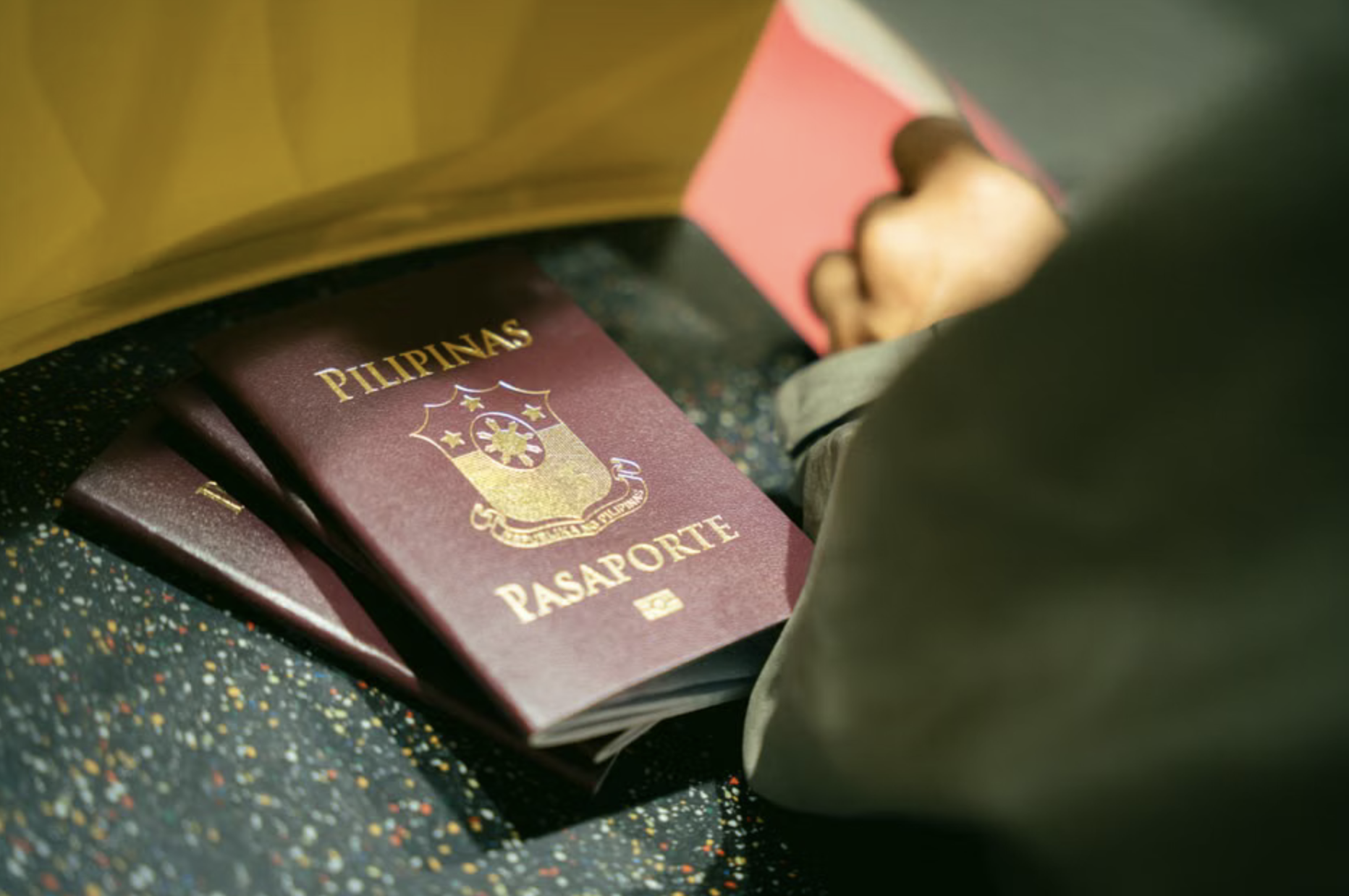
What the ETA actually is
The ETA is a digital travel permission modeled loosely on global digital travel clearances. It applies to citizens of dozens of visa-free nationalities who previously required no pre-screening. It is not a visa — it covers tourism, family visits, business meetings, and short courses, with stays of up to several months per entry. Once approved, it is electronically linked to your passport, remains valid for a fixed multi-year period or until your passport expires, and allows unlimited entries. There is nothing to print and no sticker in your passport; the authorization lives entirely in the immigration database that carriers query.
The application requires a small, non-refundable administrative fee per person. Every traveler, including infants, needs their own ETA, and the fee is forfeited even if the application is refused.
The data flow: what you hand over and who checks it
The application itself is a compact data-collection exercise. The official app reads the machine-readable zone of your passport, then attempts an NFC (Near Field Communication) read of the chip to pull the certified data file. You add a selfie captured on your phone, your contact details, and answers to a short set of security questions. The submission is automatically screened against immigration and security watchlists; most decisions come back within minutes, though governments generally advise applicants to allow up to 3 working days.
From then on, the system works silently. Airlines transmit Advance Passenger Information for every traveler, and the interactive response confirms whether a valid ETA exists for that passport number. This linkage has one practical consequence people keep discovering at the airport: renew your passport, and your ETA dies with the old document. The fee and the multi-year validity do not transfer.
Applying without drama
The process typically takes about 10 minutes through the official mobile app or government website. Applicants scan their passport, take a photo, answer a series of questions, and pay the required fee by card. Applying at least a week before departure is generally recommended, as waiting until check-in can create unnecessary travel risks. A step-by-step guide to applying for the ETA online explains each stage of the application process, including passport scanning, identity verification, and payment.
Three technical failure modes account for most rejected or delayed applications. Facial images are rejected due to glare, shadows, or glasses. Worn passport chips fail NFC reads, forcing manual data entry — and a single mistyped digit can bind the authorization to a passport number that does not exist. And payment screening can be stricter when your card's issuing country and your network location do not match, so it is worth switching off a VPN before the payment step. Travelers who prefer to have their details checked before submission can use an ETA application assistance service rather than going it alone.
What the numbers say
During initial rollout phases, immigration authorities routinely process tens of millions of these applications. Because the system targets historically low-risk, visa-free nationalities, global approval rates generally sit well above 99% — for the overwhelming majority, this is a formality, just mandatory. Application volumes, refusal rates, and global breakdowns are often aggregated on independent statistics trackers for anyone who wants to watch these digital systems scale in near real time.
Conclusion
Electronic Travel Authorization systems represent a significant shift in how international border screening is conducted. Instead of waiting until arrival, eligibility is verified before a traveler boards, allowing airlines and immigration authorities to identify issues earlier in the journey. Although the application process is generally quick and straightforward, travelers should allow sufficient time for approval and ensure that the information submitted matches their passport exactly. Understanding how the ETA works can help avoid unnecessary delays and make international travel smoother.
FAQ
Frequently asked questions
01Do I need an ETA for a layover?
If you stay airside in the international transit lounge and never cross the destination's border, no — airside transit is typically exempt. If you need to collect bags, change terminals through passport control, or leave the airport, you need an approved ETA like any other visitor.
02How fast is approval?
Usually minutes; officially up to three working days. Applications that trigger a manual review can take longer, which is the main argument against last-minute filing.
03What happens if my application is refused?
The fee is not returned, and the fallback is a standard visitor visa — slower and more expensive. With refusal rates below one% globally, this remains the rare exception.
04Is the ETA the same as an eVisa?
No. An eVisa is typically the digital replacement for physical immigration documents held by people with longer-term residency or employment status. The ETA is a short-visit pre-screening permission for visa-free nationalities. Confusing the two is common; needing both is not.
Disclaimer
This article is provided for general informational purposes only and should not be considered legal, immigration, or travel advice. Electronic Travel Authorization (ETA) requirements, eligibility, fees, and processing times may change without notice. Travelers should verify the latest requirements through the appropriate government immigration authority before making travel arrangements.
Comments
Comments are moderated to keep the discussion useful and respectful. Spam, automated submissions, and low-value promotional comments are removed. Comments with outbound links may be approved when the link is relevant to the article and genuinely helpful to readers.
No comments have been published yet.