

IoT Security in the Smart Home Ecosystem: Best Practices for Securing Connected Household Appliances Against Network Vulnerabilities
The Connected Home Is No Longer a Novelty — It's Infrastructure
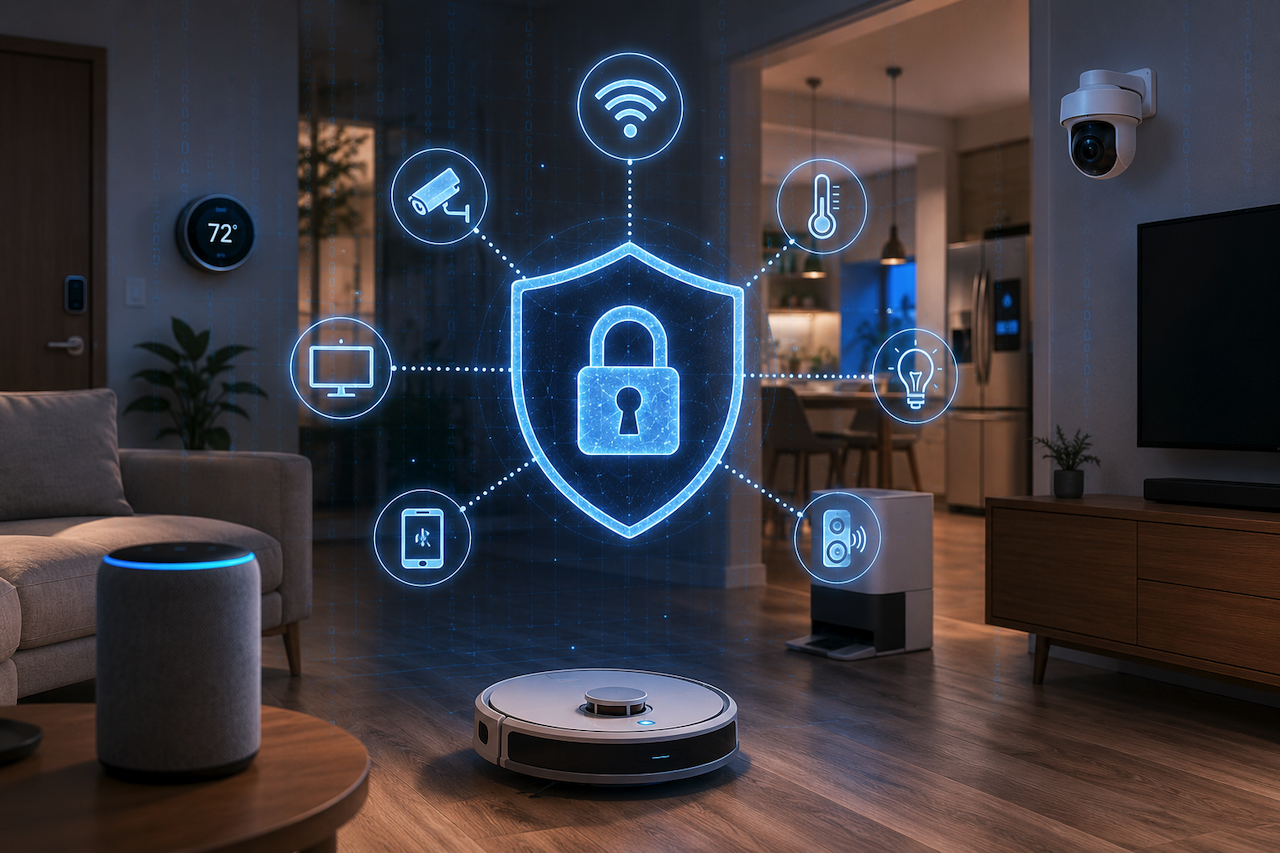
Walk into a modern home in 2026, and you will find far more devices connected to the local network than most families can name off the top of their heads. Smart thermostats, voice assistants, security cameras, IP-based doorbells, connected refrigerators, and a growing fleet of autonomous cleaning appliances are all silently joining the same Wi-Fi network, communicating with remote cloud servers, and sharing one fundamental characteristic: they are computers, which means they can be compromised.
The numbers are sobering. IoT connections in North America alone are projected to reach 5.4 billion in 2025. The global IoT market, valued at $330 billion in 2020, is forecast to approach $875 billion by mid-decade. Yet security accountability across the vendor landscape remains, in the words of independent researchers, "uneven." An estimated 80% of IoT devices carry exploitable vulnerabilities, and most smart home breaches do not begin with sophisticated zero-day exploits. They begin with weak passwords, outdated firmware, and unguarded network configurations.
For readers of iplocation.net, a community well-versed in the mechanics of network infrastructure, IP addressing, and digital communication, this article offers a practitioner-level look at IoT security within the smart home, with a particular focus on a category of devices that is rapidly gaining both capability and network connectivity: intelligent household appliances.
Beyond Cameras and Smart Speakers: The Expanding IoT Attack Surface
When most people think of smart home security risks, they picture security cameras being hijacked or smart speakers eavesdropping on conversations. These are legitimate concerns. The 2022 "Alexa versus Alexa" vulnerability demonstrated that voice assistant devices could be exploited to issue unauthorized commands, control home automation, and enable surveillance without the user's knowledge.
But the attack surface extends much further. Robot vacuums, wet-dry floor washers, and connected cleaning appliances have quietly become some of the most data-rich devices in the modern home. A robot vacuum equipped with LiDAR navigation, computer vision-based obstacle avoidance, and multi-floor mapping does not simply clean floors. It builds a detailed spatial model of your home's interior, including the layout of rooms, the position of furniture, and the patterns of daily household activity.
This data, transmitted to manufacturer cloud servers for app-based control and analysis, creates a new category of privacy risk that few consumers have considered. From a network security standpoint, these devices present the same vulnerabilities as any other IoT node: they can serve as entry points for lateral movement across the home network, be recruited into botnets, or have their firmware replaced with malicious versions if not properly protected.
Modern Smart Appliance Design and Connectivity
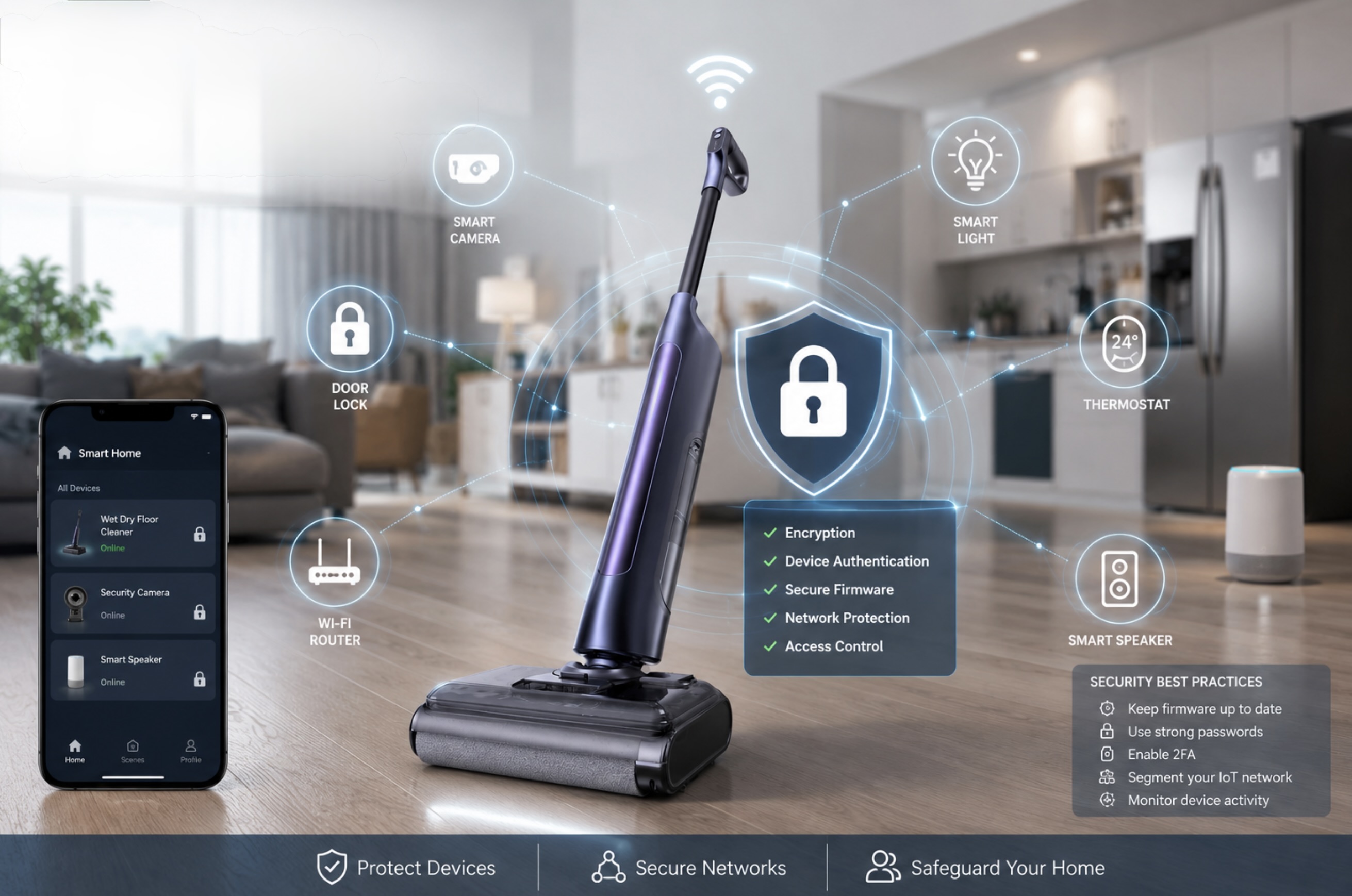
Understanding how connected household appliances operate in practice helps frame the broader discussion of IoT security and smart-home risk exposure.
Modern robot vacuums and connected floor-cleaning appliances increasingly combine mapping technologies, app-based remote control, cloud connectivity, voice assistant integration, and automated maintenance systems into a single network-connected platform. Many devices now support features such as LiDAR-based navigation, AI-assisted obstacle detection, automated scheduling, smart dirt detection, and real-time environmental mapping.
For example, some premium robot vacuums can automatically map multi-floor homes, recognize carpets, clean and dry mop pads at docking stations, and integrate with platforms such as Amazon Alexa, Google Assistant, or Apple Watch. Connected wet-dry floor cleaners may also support app-based monitoring, voice prompts, automated suction adjustments, and cloud-connected maintenance notifications.
Examples of these types of connected appliances include products such as the Ultenic robot vacuum and the Ultenic AC1 TriFlex wet-dry floor cleaner, both of which incorporate app connectivity, smart mapping features, and automated cleaning functions commonly found in modern smart home appliances.
These features provide convenience and operational efficiency, but they also expand the device’s role within the smart home ecosystem. Appliances equipped with environmental mapping and cloud synchronization capabilities continuously process and transmit data about household layouts, usage schedules, and movement patterns. From a security standpoint, this makes them similar to any other IoT endpoint on the network.
Every additional integration layer, including mobile apps, voice assistants, cloud APIs, and third-party automation systems, increases the importance of proper network segmentation, secure authentication, firmware maintenance, and careful permission management.
Core IoT Vulnerabilities in the Smart Home Environment
Before turning to solutions, it is worth mapping the threat landscape specific to connected household appliances.
1. Default Credentials and Weak Authentication
Many IoT devices ship with factory-set usernames and passwords. The infamous Mirai botnet, which in 2016 used millions of unsecured IoT devices to launch DDoS attacks that disrupted Twitter, Spotify, and Netflix, exploited exactly this: default login credentials that users had never changed. A robot vacuum running on a default password is effectively an open door to the home network.
2. Unencrypted Data Transmission
Not all smart home devices encrypt the data they transmit to cloud servers or between the device and the controlling app. Traffic carrying floor maps, usage schedules, and behavioral patterns that are intercepted in transit represents a serious privacy risk, particularly if the home Wi-Fi network has not been secured with WPA3 or an equivalent modern encryption standard.
3. Lateral Network Movement
Once an attacker establishes a foothold on a compromised IoT device, they can scan the local network for additional targets, including personal computers, network-attached storage, smart TVs with stored payment credentials, and other devices. An unsecured robot vacuum on the same network segment as a work laptop can become a bridgehead for deeper intrusion.
4. Outdated Firmware and Unpatched Vulnerabilities
IoT devices frequently have long operational lifespans. A quality cleaning robot may remain in daily use for five or more years. Manufacturers who fail to provide ongoing firmware updates leave devices exposed to vulnerabilities discovered long after purchase. Likewise, users who never install updates effectively freeze their devices at their most vulnerable state.
5. Man-in-the-Middle (MitM) Attacks
An attacker positioned between a smart appliance and the cloud API it communicates with can intercept, alter, or replay device commands, spoof sensor data, issue unauthorized instructions, or harvest authentication tokens. This is especially relevant for devices that use voice assistant platforms as a control layer.
6. Insecure Cloud Back-ends
The security of a smart appliance is only as strong as the security of the cloud infrastructure it relies on. Poorly secured vendor APIs, misconfigured cloud storage buckets, or third-party integration partners with lax security practices can expose user data even when the device itself is properly configured.
Best Practices for Securing Connected Household Appliances
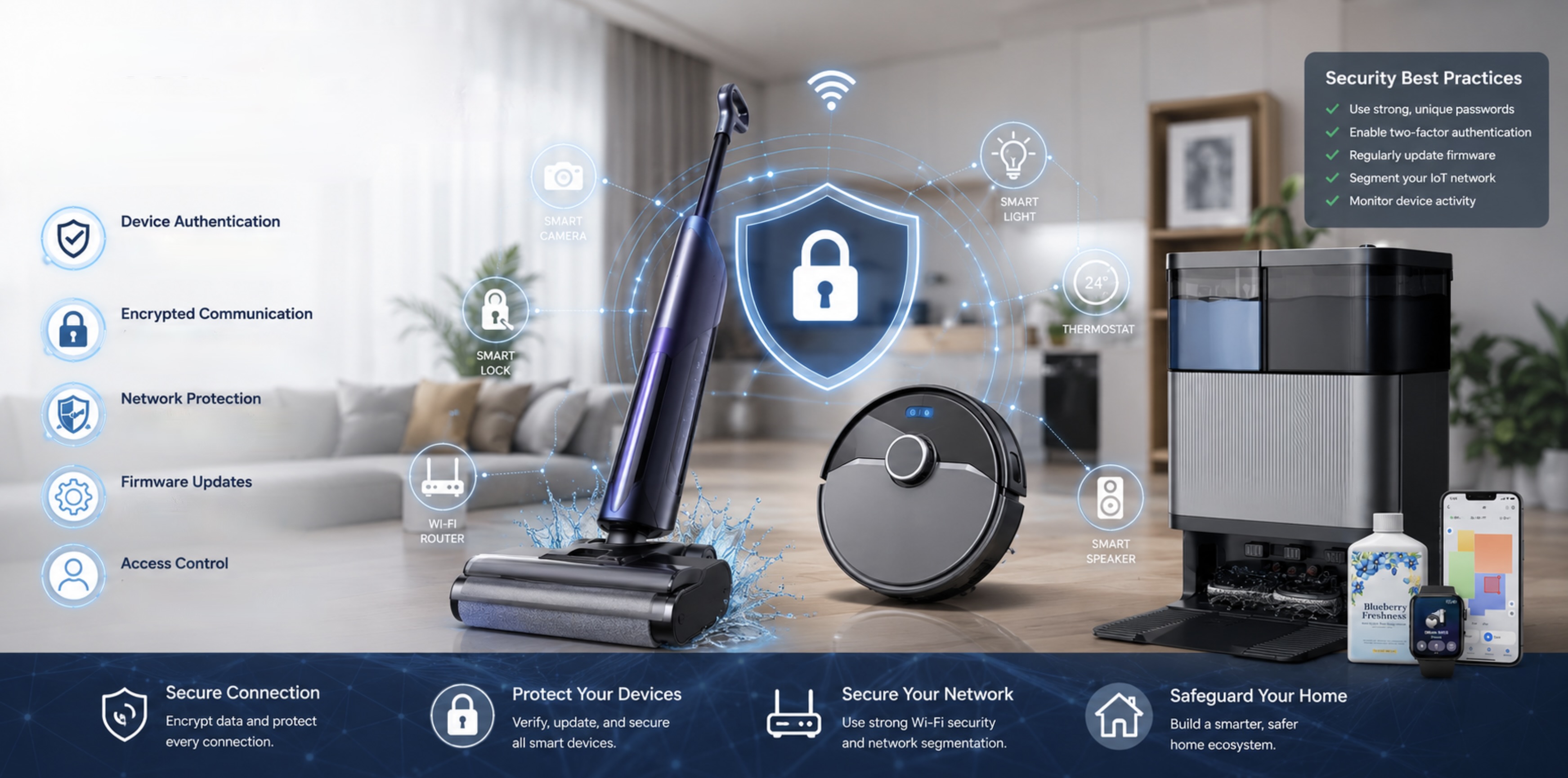
The good news is that the most impactful security measures are straightforward to implement and do not require advanced technical knowledge. The following practices represent the essential baseline for any household running smart IoT appliances.
1. Isolate IoT Devices on a Dedicated Network Segment
The single most effective structural defense is network segmentation. Create a dedicated VLAN or guest Wi-Fi network for IoT appliances, physically and logically separated from the network used by computers, smartphones, and devices that handle sensitive personal or financial data.
Most modern routers, including consumer-grade units from manufacturers like Asus, Netgear, and TP-Link, support VLAN tagging or at minimum a guest network configuration with client isolation. A robot vacuum connected to a home network should not be able to access personal laptops or NAS drives. Segmentation enforces this boundary at the infrastructure level.
When setting up connected household appliances, place them on this IoT-only network segment rather than the primary network. Their cloud communication still functions normally; what has changed is that they can no longer serve as a pivot point for more sensitive network resources.
2. Change Default Credentials Immediately
During the first setup of any smart appliance, change all default login credentials, both for the device itself and for the associated app account, to strong, unique passwords. Use a password manager to generate and store credentials. Where supported, enable multi-factor authentication (MFA) on the manufacturer's app account.
3. Keep Firmware Updated
Enable automatic firmware updates wherever possible. For devices that require manual updates, establish a quarterly routine of checking the manufacturer's app or support website for new firmware releases. Firmware updates frequently address vulnerabilities discovered after the device shipped, and skipping them leaves known attack vectors open indefinitely.
Many smart appliance apps now include built-in firmware management tools. Treat these updates with the same urgency you would apply to operating system patches on a personal computer.
4. Secure the Home Router as the Foundation
IoT device security ultimately depends on the security of the underlying network. Ensure the home router is running its latest firmware, is configured with WPA3 encryption (or WPA2-AES at minimum), uses a strong, unique administrator password distinct from the Wi-Fi password, and has remote management disabled unless explicitly needed.
Disable UPnP (Universal Plug and Play) on the router. Many IoT devices use UPnP to automatically open ports, potentially exposing device management interfaces to the public internet. Manually configured port forwarding, reviewed and audited periodically, is far safer.
5. Review App Permissions and Data Sharing
When installing the companion app for any smart appliance, review the permissions it requests. Does a floor-cleaning app require access to contacts, the camera roll, or persistent location data beyond what is necessary for room mapping? Deny permissions that are not functionally necessary.
Additionally, review the manufacturer's privacy policy to understand what data is collected, how long it is retained, and whether it is shared with third-party advertising or analytics partners.
6. Disable Unused Features and Integrations
Every enabled integration, including Alexa, Google Assistant, IFTTT, or third-party automation platforms, represents an additional attack surface. Disable voice assistant integrations for appliances where voice control adds little practical value. Review third-party app connections in the platform dashboards and revoke access to integrations that are no longer in active use.
For robot vacuums with advanced mapping capabilities, consider whether cloud-stored floor maps represent an acceptable privacy trade-off for the household. Some manufacturers offer on-device or local network-only map storage options.
7. Monitor Network Traffic for Anomalies
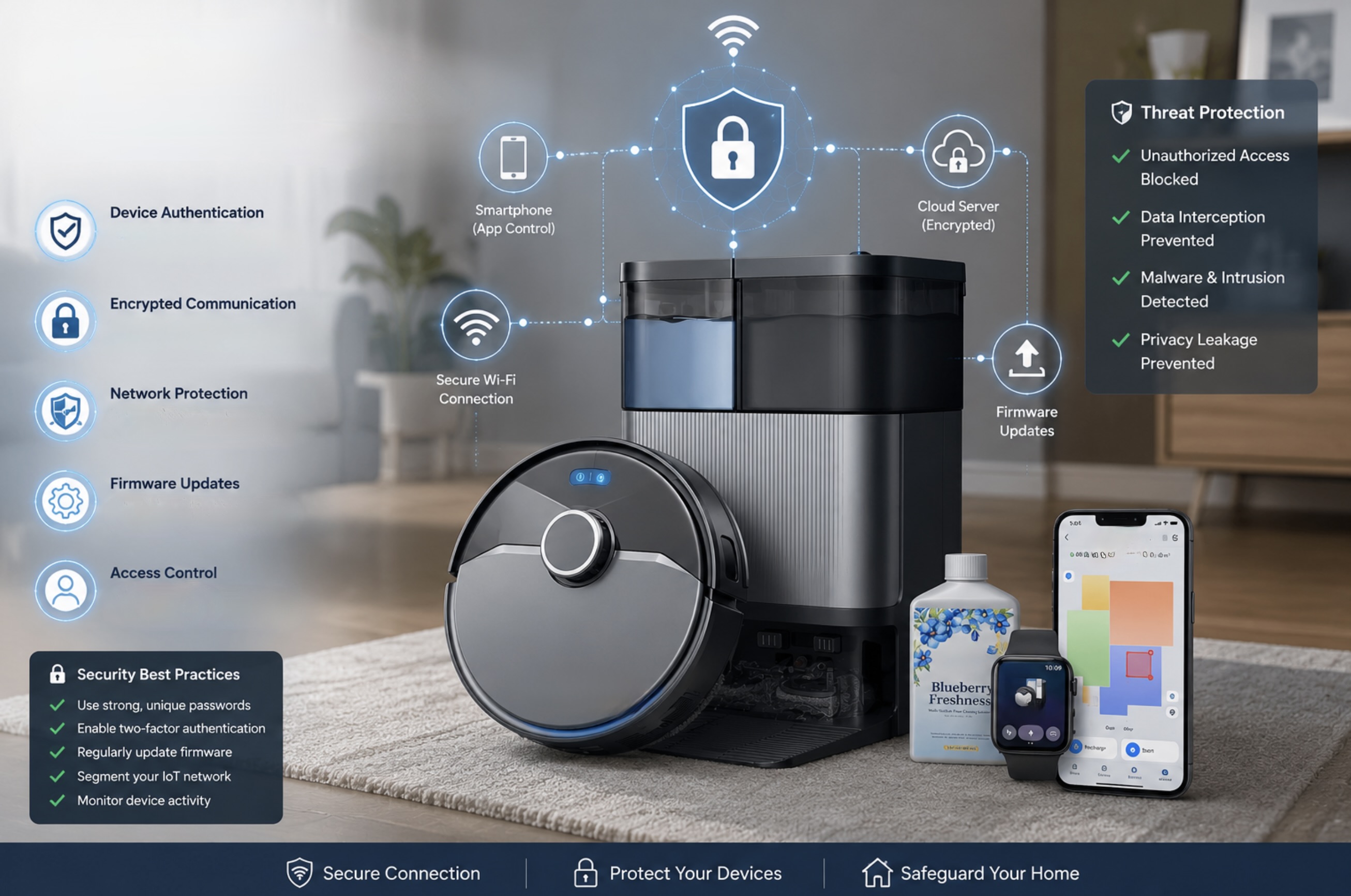
For users with intermediate networking skills, deploying a home network monitoring tool such as Pi-hole combined with network-level logging, or consumer-focused solutions like Firewalla or Eero Secure, provides visibility into the traffic generated by IoT devices.
Unexpected outbound connections to unfamiliar IP addresses, unusually high data volumes from a cleaning appliance, or communication with destinations that do not match the manufacturer's documented cloud infrastructure are all potential indicators of compromise.
IP geolocation tools can also be useful here. Resolving the destination IPs of a smart appliance's outbound connections and verifying that they map to legitimate cloud infrastructure in expected regions is a practical security check for technically inclined households.
The Manufacturer's Responsibility and How to Evaluate It
Security-conscious consumers should evaluate smart appliance vendors not only on cleaning performance, price, and feature set, but also on their security posture. Key indicators of a responsible IoT manufacturer include:
- A published vulnerability disclosure policy and a contact channel for security researchers
- A documented history of releasing timely firmware updates in response to identified vulnerabilities
- Clear data retention and deletion policies
- App authentication that supports MFA
- Encryption of data both in transit and at rest
- Transparent third-party certifications or audit reports
When investing in premium connected appliances, it is reasonable to contact manufacturer support with direct questions about data encryption standards, cloud infrastructure partners, and firmware update lifecycles.
Conclusion: Security Is a Practice, Not a Product Feature
The smart home ecosystem will continue to expand. Appliances that once operated in complete isolation, including vacuum cleaners, floor washers, air purifiers, and kitchen appliances, are joining the network, gaining intelligence, and delivering genuine convenience to households.
But connectivity is not free in a security sense. Each new device on the home network is another node that can potentially be enumerated, targeted, and compromised.
The best practices outlined here, including network segmentation, strong authentication, regular firmware updates, traffic monitoring, and disciplined permission management, do not eliminate risk. They reduce the attack surface to the point where smart home devices can deliver their benefits without unnecessarily expanding household exposure.
In 2026, IoT security is no longer optional. It is a basic responsibility of every connected household.
Featured Image generated by ChatGPT.
Related Articles
February 18, 2026
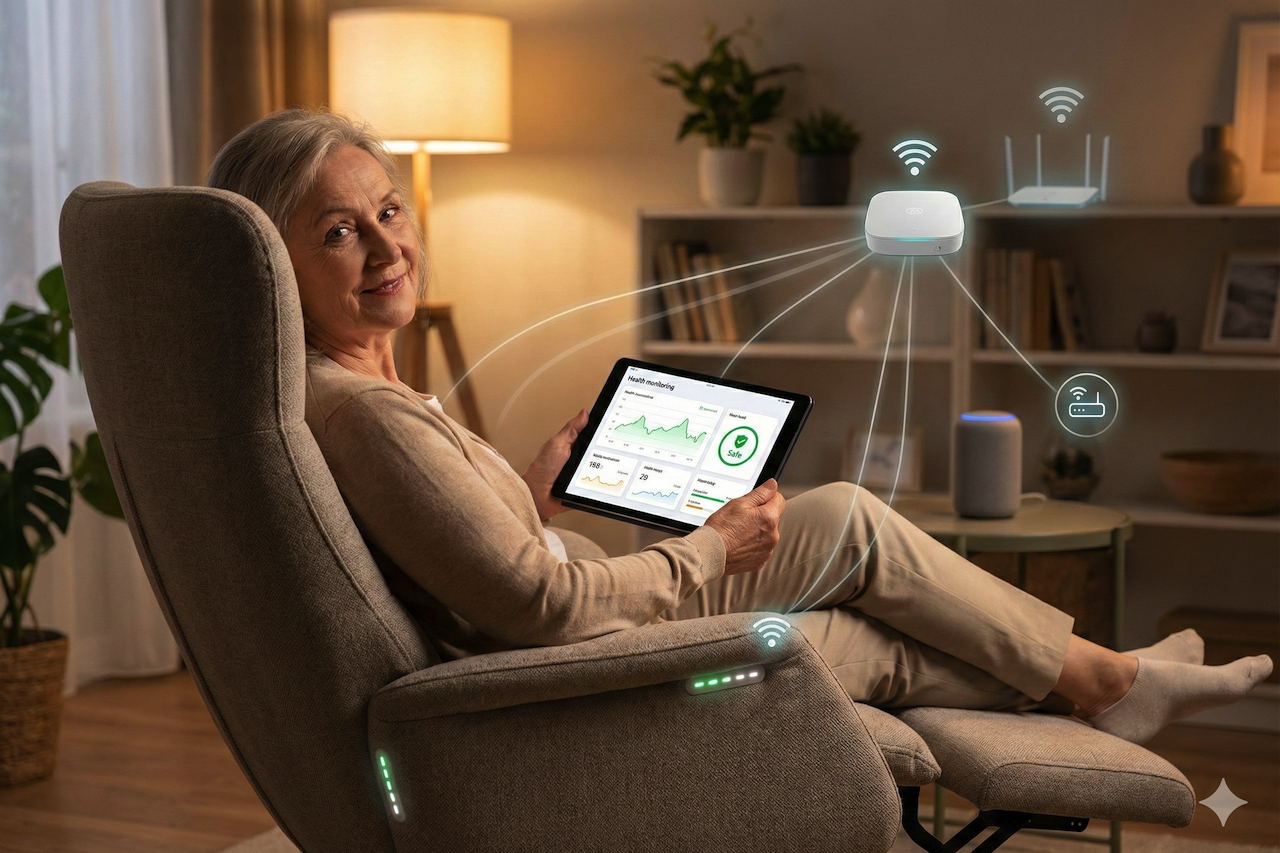
How Smart Connected Chairs Use IP Connectivity to Improve Home Safety
A simple chair has always meant comfort. For many people, it represents rest, stability, and routine. Today, it can also mean protection.
Read More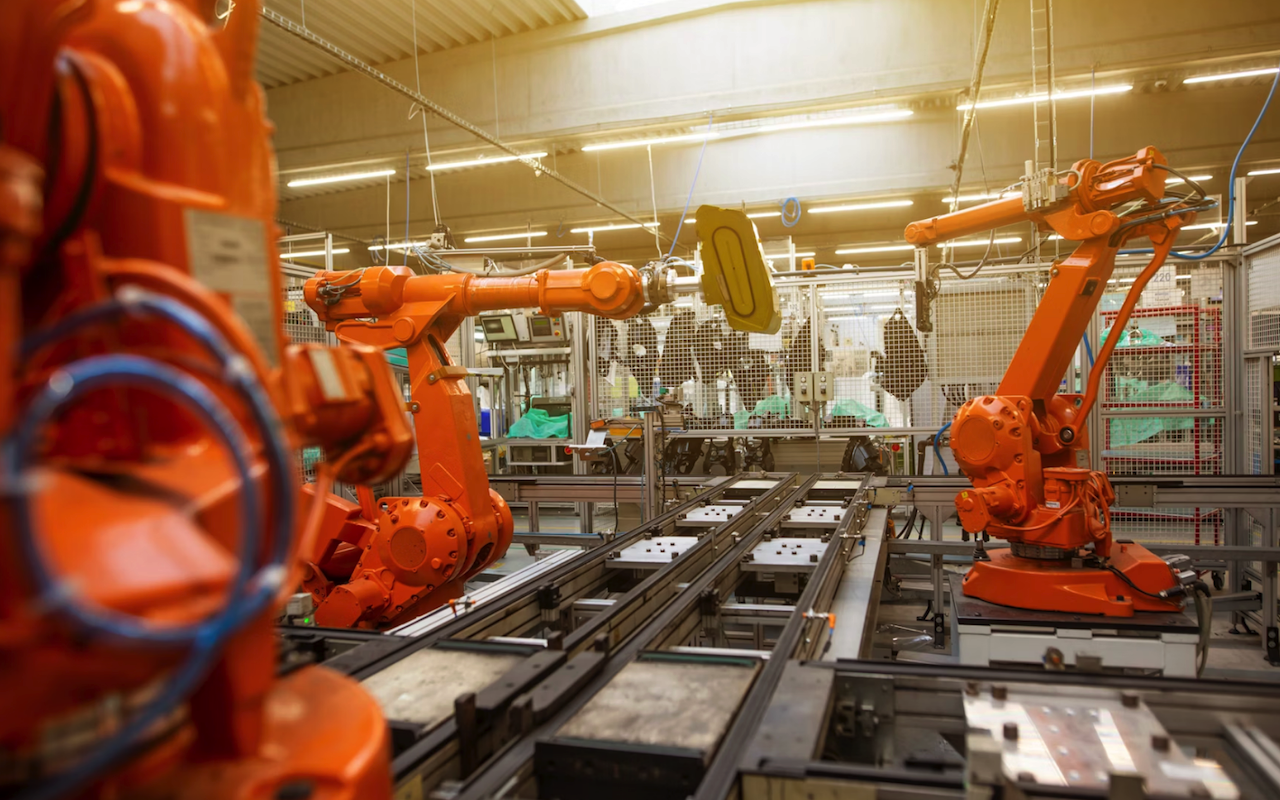
December 8, 2025
Securing the Smart Factory: How High-Quality Robotics Wiring Protects IoT Networks
Robotics drives the new factory floor. Lines move faster. Decisions fire in real time. Each machine depends on clean data to act with precision. This shift creates both strengt...
Read More
August 1, 2022
The Challenges and Security Risks of Smart Home Devices
Smart home devices are one of the most talked about technological entities these days. The internet of things is expanding at an exponential rate with the introduction of smart app...
Read More
Comments
Comments are moderated to keep the discussion useful and respectful. Spam, automated submissions, and low-value promotional comments are removed. Comments with outbound links may be approved when the link is relevant to the article and genuinely helpful to readers.
No comments have been published yet.