

Stem Cells and the Advancement of CAR T Therapy
One of the most groundbreaking developments in modern oncology is CAR T therapy, a revolutionary approach that harnesses the power of a patient’s own immune system to fight cancer. This method involves genetically modifying T cells to express chimeric antigen receptors (CARs), allowing them to specifically target and destroy cancer cells. While CAR T therapy has shown remarkable success in treating hematologic malignancies such as leukemia and lymphoma, researchers are now exploring ways to enhance its efficacy using stem cell-derived approaches. By integrating stem cell technology into CAR T development, scientists aim to improve treatment scalability, reduce side effects, and expand applications to solid tumors.
The Role of Stem Cells in CAR T Cell Manufacturing
CAR T cell therapy traditionally relies on collecting a patient’s T cells, genetically modifying them, and then reinfusing them to target cancer. However, this process can be complex, time-consuming, and limited by factors such as T cell exhaustion in heavily treated patients. To overcome these challenges, scientists are turning to induced pluripotent stem cells (iPSCs) and hematopoietic stem cells (HSCs) as alternative sources for generating CAR T cells.
iPSC-derived CAR T cells offer several advantages over traditional autologous therapies. Since iPSCs can be expanded indefinitely and differentiated into functional immune cells, they provide a virtually unlimited source of CAR T cells, enabling the development of “off-the-shelf” therapies. This means patients could receive CAR T treatment without the need for personalized cell collection, significantly reducing costs and treatment delays. Additionally, researchers are engineering stem cell-derived CAR T cells to have enhanced persistence and reduced toxicity, addressing some of the limitations seen in current CAR T therapies.
Another promising approach involves combining CAR T cells with hematopoietic stem cell transplantation. This strategy allows for the simultaneous replacement of a patient’s immune system while introducing CAR T cells, providing a more durable and long-lasting anti-cancer effect. Such advancements could make CAR T therapy more effective for a broader range of cancers, including solid tumors that have historically been resistant to immune-based treatments.
Future Perspectives and Challenges
While the integration of stem cells into CAR T therapy presents exciting possibilities, several challenges remain. One major hurdle is ensuring the safety of stem cell-derived CAR T cells, as genetic modifications must be carefully controlled to prevent unintended mutations or excessive immune responses. Additionally, researchers are working on improving the ability of CAR T cells to penetrate solid tumors, which often have a hostile microenvironment that suppresses immune activity.
Another area of focus is the development of universal CAR T cells that can be used for multiple patients without the risk of immune rejection. Gene-editing technologies such as CRISPR are being employed to modify stem cell-derived CAR T cells, making them less likely to be attacked by the recipient’s immune system. This advancement could pave the way for widespread accessibility and affordability of CAR T therapies.
Conclusion
As the field of regenerative medicine continues to evolve, the fusion of stem cell research with CAR T therapy is expected to drive significant breakthroughs in cancer treatment. With ongoing clinical trials and technological innovations, the next generation of CAR T therapies may offer safer, more effective, and widely available options for patients battling both blood cancers and solid tumors.
Related Articles
May 21, 2026
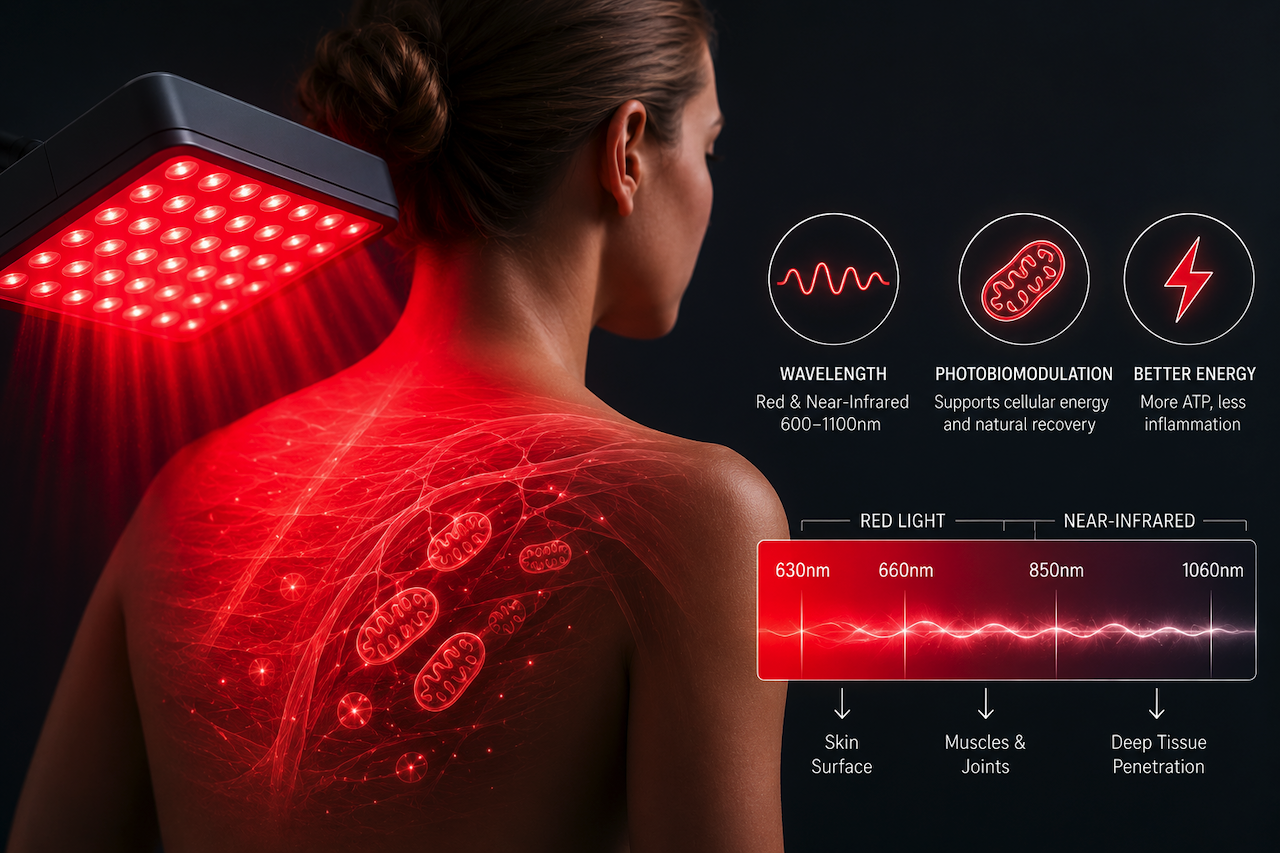
How Red Light Therapy Technology Works: Wavelengths, Frequencies, and the Science Behind Photobiomodulation
Red light therapy has moved from niche clinical treatment to mainstream health technology over the past decade. Devices that once existed only in physiotherapy clinics and sports m...
Read More
February 23, 2026
The Evolution of Healthcare Technology
The healthcare industry has changed enormously over the past decade, and much of that change has happened not in operating rooms or research labs, but in the software powering the...
Read More
August 11, 2025
Advancing Regenerative Medicine: The Scientific Promise of Stem Cell-Based Interventions
In recent decades, regenerative medicine has opened new frontiers in medical science, offering innovative solutions for conditions previously considered difficult or impossible to...
Read More
Comments
Comments are moderated to keep the discussion useful and respectful. Spam, automated submissions, and low-value promotional comments are removed. Comments with outbound links may be approved when the link is relevant to the article and genuinely helpful to readers.
No comments have been published yet.