

Privacy, Artificial Intelligence, Healthcare
The Future of Digital Wellness: AI Personalization and Privacy
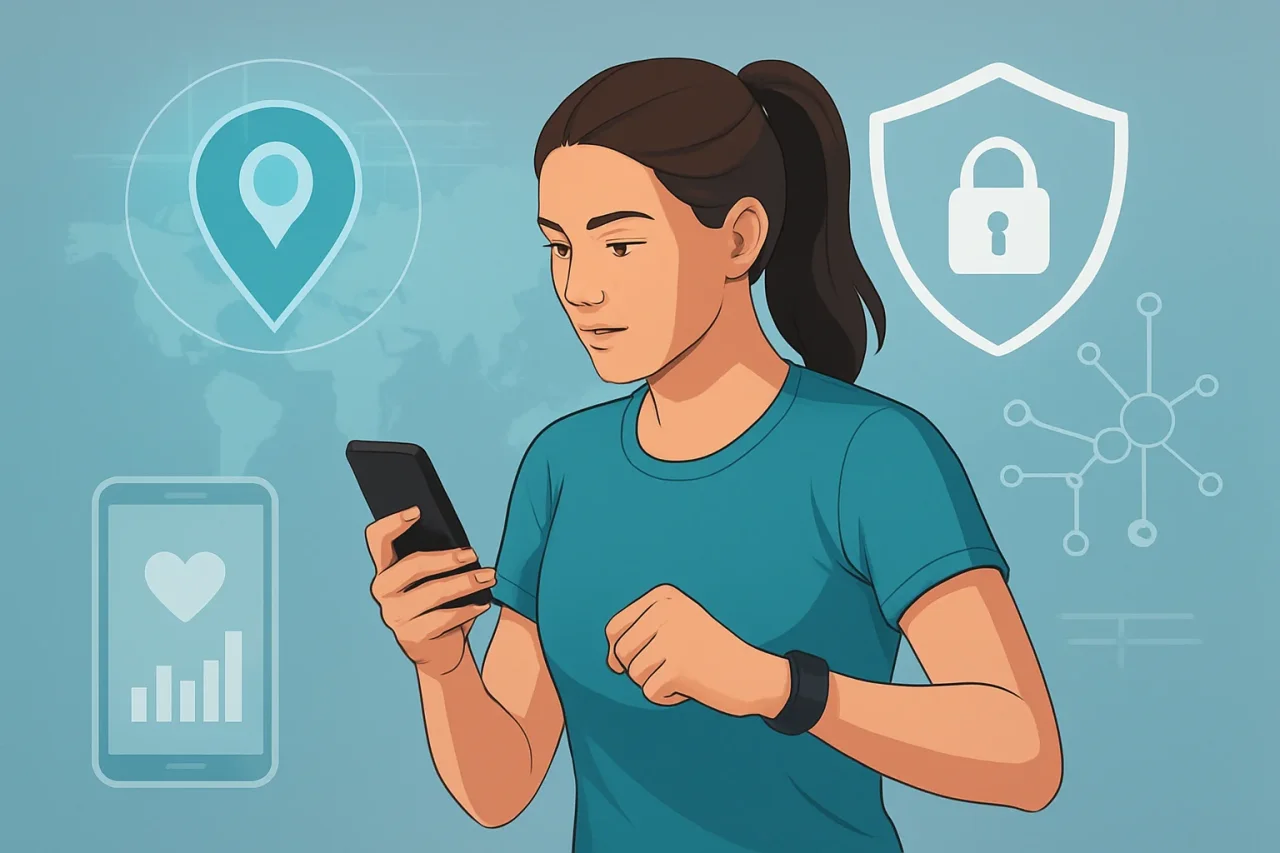
Your smartphone knows more about your daily routine than you may realize. It can track your steps, remember your workout habits, measure your sleep patterns, and learn when you usually feel most active.
Data Becomes Personal
This creates an interesting challenge. The more technology understands about us, the better it can support our goals. But how much personal information should we share to receive better recommendations?
Digital wellness is entering a new stage where AI helps people make smarter health decisions. Fitness apps no longer act as simple trackers. They analyze patterns, suggest improvements, and create experiences based on individual behavior.
The problem is clear: personalization needs data. However, personal data needs protection.
In this article, we will explore how AI transforms wellness apps, why cybersecurity matters more than ever, and how companies can create technology that supports users without compromising trust.
AI Changes Fitness Apps
Traditional fitness apps mainly collected information. Users recorded workouts, counted calories, or checked progress manually. AI has changed this process completely.
Smarter Health Guidance
Modern apps can analyze information and turn it into useful recommendations. They can identify patterns in activity, nutrition, and recovery. Instead of giving the same advice to everyone, AI creates a more personal experience.
For example, one person may need more focus on recovery after intense workouts, while another may need support with consistency. AI can recognize these differences and adjust suggestions.
Many wellness platforms now use this approach to create personalized experiences. Tools like Lasta show how digital wellness technology can combine user information with tailored guidance to support individual goals and protect the users’ data.
Personalization creates a new question: what happens to all this data behind the scenes?
The answer depends on cybersecurity.
The Privacy Challenge
AI systems need information to work effectively. The more an app knows about your habits, the more relevant its recommendations can become.
More Data More Responsibility
Your activity level, sleep patterns, health goals, and daily routines can help create a detailed picture of your lifestyle. This information can improve your experience, but it also becomes valuable data that requires strong protection.
Why does this matter?
Because health-related information is highly personal. People may share details with a fitness app that they would not share publicly. They expect companies to protect that information and use it responsibly.
Cybersecurity is no longer only about protecting passwords. It is about protecting personal experiences, habits, and digital identities.
A secure wellness app should use strong encryption, safe data storage, clear privacy policies, and transparent communication. Users deserve to understand what information they share and why.
Finding The Balance
The future of digital wellness depends on balance.
Personalization Meets Security
If apps collect too little data, recommendations become generic. If they collect too much without proper protection, users lose trust.
The best solutions focus on responsible personalization. This means collecting only necessary information, protecting user data, and giving people control over their choices.
Think about a fitness coach. A good coach needs to understand your goals, limitations, and habits to create the right plan. But you also expect that coach to respect your privacy.
AI-powered wellness apps need to follow the same principle.
The goal is not to collect everything. The goal is to use the right information in the right way.
Cybersecurity Builds Trust
Trust decides whether people continue using digital wellness tools.
Protection Drives Adoption
A person may download an app because they want better health results. However, they will only stay only if they feel confident in how the app handles their information.
This is where cybersecurity becomes part of the user experience.
People notice when apps explain privacy clearly. They appreciate simple settings, secure accounts, and control over their information. These details may not appear as exciting as AI features, but they shape long-term relationships.
Would you continue using a health app if you were unsure who could access your data?
Probably not.
Technology companies must understand that privacy is not an obstacle to innovation. It is the foundation that allows innovation to grow.
The Future Of Wellness
The next generation of digital wellness will combine two powerful ideas: intelligence and protection.
Smarter And Safer
AI will continue to improve personalization. Apps will become better at understanding individual needs, predicting challenges, and supporting healthier routines.
At the same time, cybersecurity will become a central part of wellness technology. Users will expect better protection because their health data represents a personal story.
Conclusion
AI is transforming digital wellness by making health guidance more personalized, adaptive, and accessible. At the same time, these advances depend on users trusting that their personal information will be handled responsibly.
The most successful wellness platforms will combine intelligent personalization with strong cybersecurity, giving users meaningful insights without sacrificing privacy. As AI continues to shape the future of health technology, protecting personal data will remain just as important as delivering smarter recommendations.
Related Articles
May 7, 2026
The Future of Digital Communication: Privacy Considerations
The way people communicate has changed more in the past decade than in the previous century combined. From encrypted messaging apps to AI-powered virtual assistants, digital commun...
Read More
December 5, 2025
AI + SaaS: The Next Big Shift in Healthcare Software Development
Imagine a hospital or clinic where doctors no longer spend hours reviewing patient notes or completing documentation. Instead, they can have natural conversations while AI listens,...
Read More
August 27, 2024
AI for Medical Coding and Billing Accuracy
In the world of medicine, nothing could be more important than efficiency and accuracy—which in turn makes or breaks a practice. One of the biggest contributors to this success is...
Read More
Comments
Comments are moderated to keep the discussion useful and respectful. Spam, automated submissions, and low-value promotional comments are removed. Comments with outbound links may be approved when the link is relevant to the article and genuinely helpful to readers.
No comments have been published yet.