

The New Era of Smart Cars Powered by AI
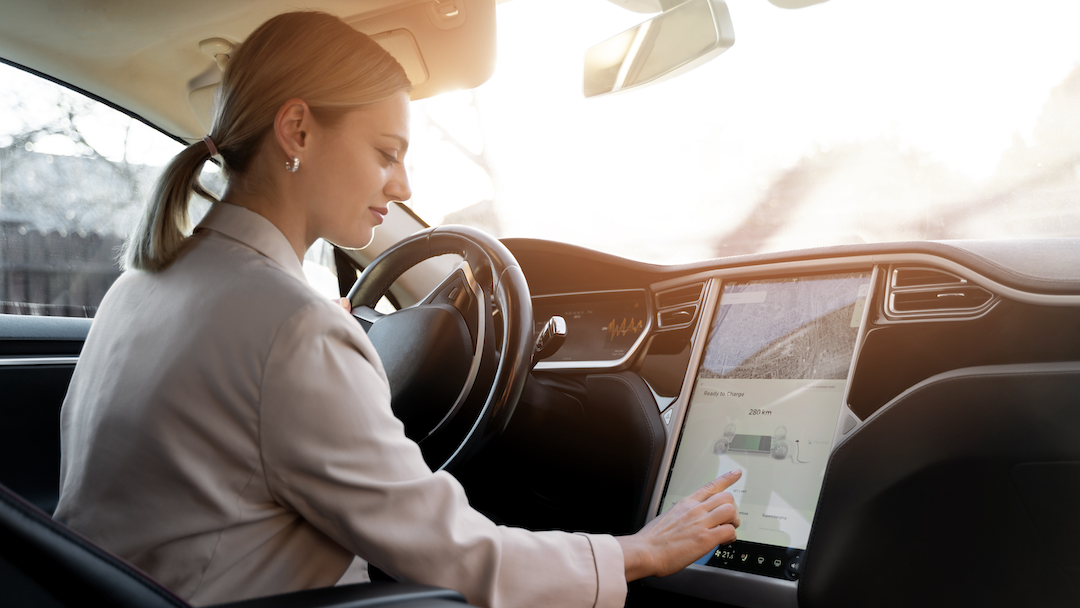
The automotive landscape is undergoing a profound transformation, catalyzed by the integration of Artificial Intelligence (AI), which is significantly influencing both the conception and the functional essence of modern vehicles. This evolution towards AI-driven automobiles is not merely a trend but a comprehensive shift that promises to redefine our relationship with transportation, emphasizing efficiency, sustainability, and safety.
A key player in this transformative era is the rise of electric cars. These vehicles, emblematic of the industry's commitment to environmental stewardship, harness the power of AI to optimize energy consumption and enhance driving dynamics. Through sophisticated algorithms, AI meticulously manages battery usage, extends vehicle range, and improves the overall energy efficiency of electric cars. This shift towards electrification, underpinned by AI, marks a critical step towards minimizing the carbon footprint of personal transportation, aligning with global efforts to combat climate change.
Moreover, the influence of AI transcends the realm of electric cars, permeating every facet of the automotive industry. In vehicle design and manufacturing, AI-powered tools are revolutionizing traditional methodologies, enabling the creation of vehicles that are not only visually striking but also superior in terms of performance and safety. AI-driven simulations predict aerodynamic efficiency, structural integrity, and even occupant safety in hypothetical crash scenarios, facilitating the development of cars that are safer and more reliable than ever before.
In the sphere of automotive manufacturing, AI's role is equally transformative. Smart factories, equipped with AI-controlled robots, execute tasks with precision and agility, dramatically increasing production efficiency and quality. These intelligent systems adapt in real-time to production variables, ensuring that each vehicle meets stringent standards of excellence.
The emblem of a car logo with stars has come to symbolize this new age of automotive innovation, representing the stellar advancements and aspirations of the industry as it embraces AI technology. This logo signifies a pledge to pioneer, to reach beyond the limits of today's technology, and to forge a future where smart cars are not merely vehicles but partners in a smarter, cleaner, and more sustainable world.
The advancements in autonomous driving technologies further highlight the transformative impact of AI. Vehicles equipped with AI-driven autonomous systems promise a future where the act of driving is safer, more efficient, and less taxing on the driver. By interpreting vast amounts of data from sensors and external sources, AI enables cars to navigate complex environments, anticipate potential hazards, and make split-second decisions, significantly reducing the risk of human error.
Yet, the road to fully integrating AI in automobiles is lined with challenges. Ethical dilemmas, privacy concerns, and the imperative for advanced cybersecurity measures are pivotal issues that the industry must navigate. The evolution of AI in automotive technology is not just a journey of innovation but also a complex interplay of technological, societal, and ethical considerations.
Conclusion
As we stand on the brink of this new era, it's clear that AI-driven automobiles represent more than technological marvels; they embody a vision for a future where transportation is greener, smarter, and safer. The dawn of AI in the automotive sector heralds a promising horizon, one where the symbiosis of man, machine, and the environment can flourish in harmony. The journey towards this future is not without its obstacles, but the potential for positive change makes it a path worth pursuing. As we venture forward, the role of AI in shaping the future of the automotive industry remains a beacon of innovation, guiding us toward a brighter, more sustainable tomorrow.
Featured Image by freepik
Related Articles

September 13, 2024
Balancing Safety and Efficiency: Best Practices for Construction Site Management
In the construction industry, balancing safety and efficiency is a critical challenge. While efficiency ensures that projects are completed on time and within budget, safety protec...
Read More
May 26, 2024
Integration of Tire Pressure Monitoring Systems (TPMS) in Smart Cars
The automotive industry is ever-changing and evolving into more convenient day by day. The commercial uses of significant advancements in vehicle technology are as visible as ever....
Read More
August 3, 2023
Self-Driving Vehicles — Where Does the Technology Stand Today, and What’s in Store for the Future?
45% of Americans say they would not feel comfortable sharing the road with driverless vehicles if the use of them became widespread, including 18% who would not feel comfortable at...
Read More
Comments
Comments are moderated to keep the discussion useful and respectful. Spam, automated submissions, and low-value promotional comments are removed. Comments with outbound links may be approved when the link is relevant to the article and genuinely helpful to readers.
No comments have been published yet.