

The Rise of Connected Homes: Using Technology to Prevent Water Damage
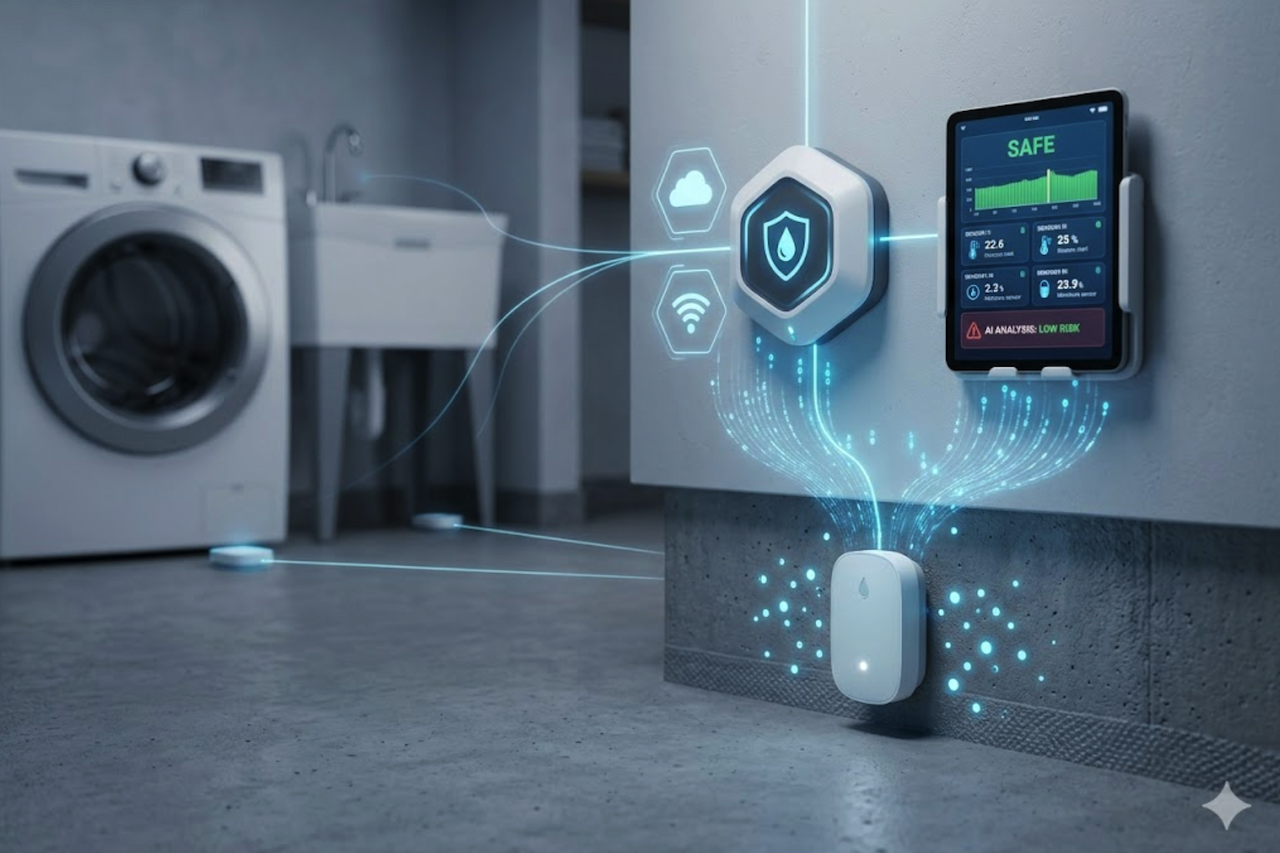
The smart home revolution has moved well beyond voice-controlled lights and app-connected thermostats. Today, homeowners are deploying networks of sensors, cloud-connected devices, and AI-driven monitoring platforms that treat the home itself as a living data system — one that can be watched, analyzed, and protected in real time. Among the most practical applications of this technology is one that rarely gets the attention it deserves: using connected devices to detect and prevent water damage before it becomes a crisis.
How smart home networks are changing water damage prevention
At the core of any connected home is a network of devices communicating through Wi-Fi, Zigbee, Z-Wave, or other protocols, feeding data to a central hub or cloud platform that interprets it and triggers responses. Water detection has become one of the most valuable use cases within this ecosystem and one of the most straightforward to implement.
Smart moisture sensors placed at key vulnerable points throughout a home, such as along foundation walls, near sump pits, beneath appliances, and around window wells, continuously monitor for water or elevated humidity. When readings cross a defined threshold, the system sends an alert to the homeowner's device, triggers an automated response such as shutting off a water supply valve, or escalates to a monitoring service, depending on the configuration.
The data these sensors generate is not just reactive; it builds a historical baseline of normal conditions in each location, making it possible to identify gradual changes that might indicate developing moisture problems long before they become visible to the naked eye.
IP-enabled devices and remote monitoring infrastructure
What makes modern water monitoring genuinely powerful is its integration with IP-based infrastructure. Unlike older standalone alarms that sound locally, today's smart water sensors are network-connected devices with their own IP addresses operating within the home's local area network and communicating outward through the internet to cloud platforms.
This architecture means a homeowner in an office across the city receives the same alert as one standing in the basement. Property managers can monitor multiple buildings simultaneously through a single dashboard. Insurance companies are beginning to offer premium reductions for homes with verified smart monitoring systems installed because connected protection can meaningfully reduce claim frequency and severity.
For homeowners in areas with significant seasonal weather variation, remote monitoring is particularly valuable. A connected water detection system provides continuous visibility during periods of high risk, including spring snowmelt, heavy summer storms, and freeze-thaw cycles, regardless of whether the homeowner is physically present. Pairing that digital layer of protection with professionally installed foundation waterproofing creates a comprehensive protection strategy. Homeowners often combine smart monitoring technology with services provided by waterproofing contractors, such as AquaTech Waterproofing, to help reduce the risk of water-related damage.
AI and predictive analytics in home water management
The next layer of capability emerging in connected home water protection involves artificial intelligence and predictive analytics. Rather than simply alerting homeowners to current conditions, AI-powered platforms analyze historical sensor data alongside external inputs such as local weather forecasts, municipal flood alerts, and seasonal patterns to generate risk assessments and predictive warnings.
A system might flag that incoming storm conditions, combined with already elevated soil moisture readings from recent rainfall and a sump pump that has been cycling more frequently than its historical baseline, represent an elevated flood risk in the next 24 hours. This can prompt a proactive inspection before the event instead of a damage response afterward.
These capabilities are no longer theoretical. Several platforms available to residential users today incorporate machine learning models trained on aggregated anonymized data from thousands of connected homes, improving their predictive accuracy over time as the dataset grows.
Cybersecurity considerations for connected home devices
Any discussion of IP-connected home devices must acknowledge the cybersecurity dimension. Smart sensors and monitoring platforms expand the attack surface of a home network. Poorly secured IoT devices have historically been exploited as entry points for network intrusion, and water monitoring systems are no exception.
Homeowners implementing connected water protection should ensure devices are purchased from reputable manufacturers with documented security update policies, installed on a segregated IoT network separate from primary computing devices, and configured with strong, unique credentials instead of factory-default settings. Keeping firmware updated is equally important because many vulnerabilities in IoT devices are addressed through patches that only protect users who install them.
The practical case for connected water protection
The combination of accessible hardware, mature cloud platforms, and improving AI capabilities has made connected water monitoring a practical option for mainstream homeowners, not just early adopters. Entry-level smart water sensors are affordable, installation requires no specialist knowledge, and the protection they provide can be significant, particularly when combined with professionally installed foundation waterproofing.
In a connected home, water damage doesn't have to be the unwelcome surprise it has always been. With the right technology in place, it becomes far more manageable: a risk that is continuously monitored, intelligently assessed, and addressed before it can become a crisis.
Conclusion
Connected home technology is transforming how homeowners approach water damage prevention. By combining smart sensors, remote monitoring, cloud-based analytics, and AI-driven insights, modern systems can detect potential problems earlier and provide greater visibility into risks that might otherwise go unnoticed.
While connected monitoring does not replace physical measures such as proper drainage and foundation waterproofing, it adds an additional layer of protection that can help reduce the likelihood and impact of water-related damage. As smart home technology continues to evolve, proactive water management is becoming a practical and increasingly accessible part of protecting residential properties.
Featured Image generated by Google Gemini.
Comments
Comments are moderated to keep the discussion useful and respectful. Spam, automated submissions, and low-value promotional comments are removed. Comments with outbound links may be approved when the link is relevant to the article and genuinely helpful to readers.
No comments have been published yet.