

What Actually Determines a Good Hair Transplant Result
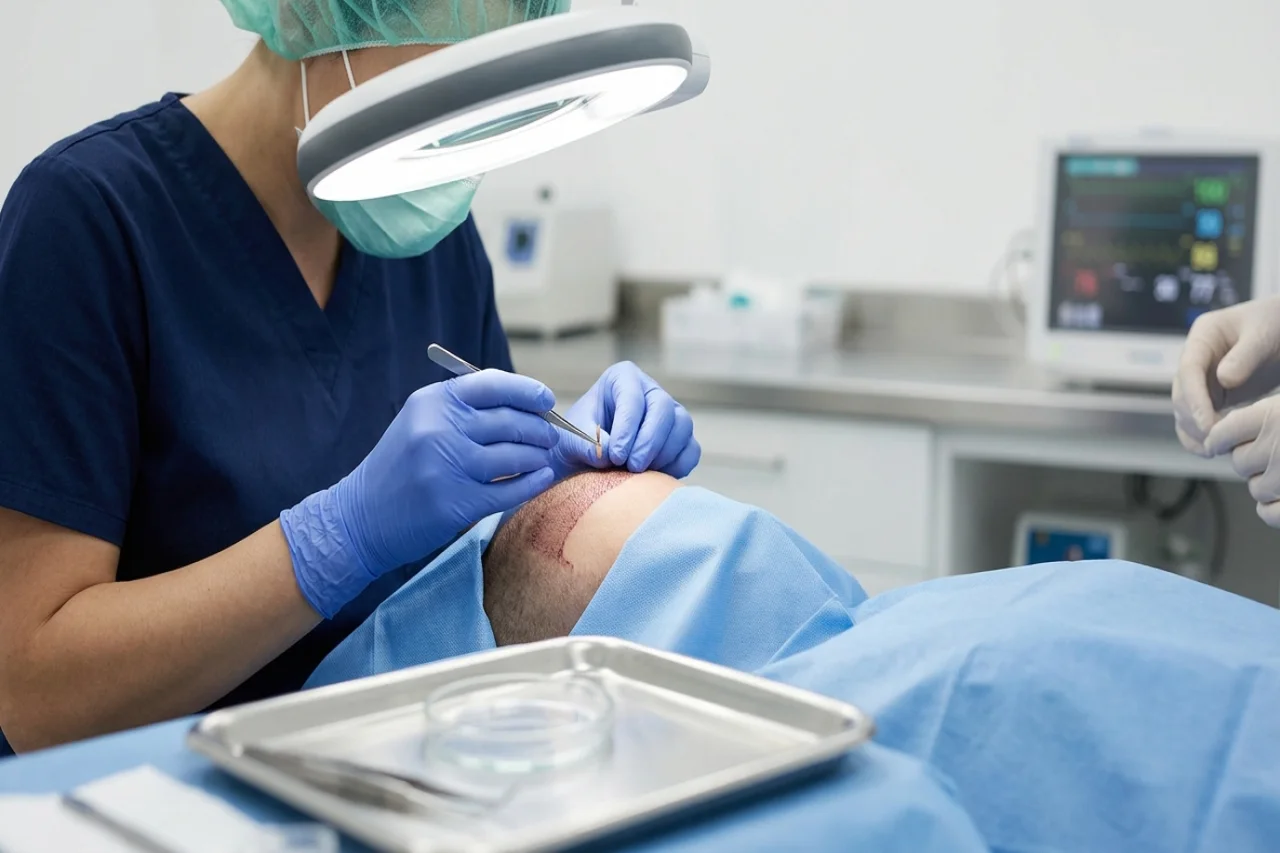
Hair transplantation has quietly become one of the more standardized cosmetic procedures in medicine, but the results people see online rarely explain why some transplants look natural five years later while others still look obviously done. The difference usually comes down to a handful of technical decisions made long before the actual surgery.
Technique matters less than people think
Most of the marketing around hair transplants centers on technique names: FUE (Follicular Unit Extraction), DHI (Direct Hair Implantation), Sapphire FUE (Sapphire Follicular Unit Extraction). In practice, these are variations on the same basic idea, extracting individual follicular units and re-implanting them, and the differences between them matter far less than how carefully each graft is handled during the process. DHI uses a pen-like implanter that lets a surgeon directly control the angle and depth of each follicle, which is why it tends to be used around hairlines and temples, where direction is more visible than density. Sapphire blades create narrower incisions than steel ones, which can mean less visible scarring and slightly faster healing, though the effect is modest rather than dramatic. None of these techniques compensate for a poorly designed hairline or an inexperienced hand.
Graft survival is the number that actually predicts outcome
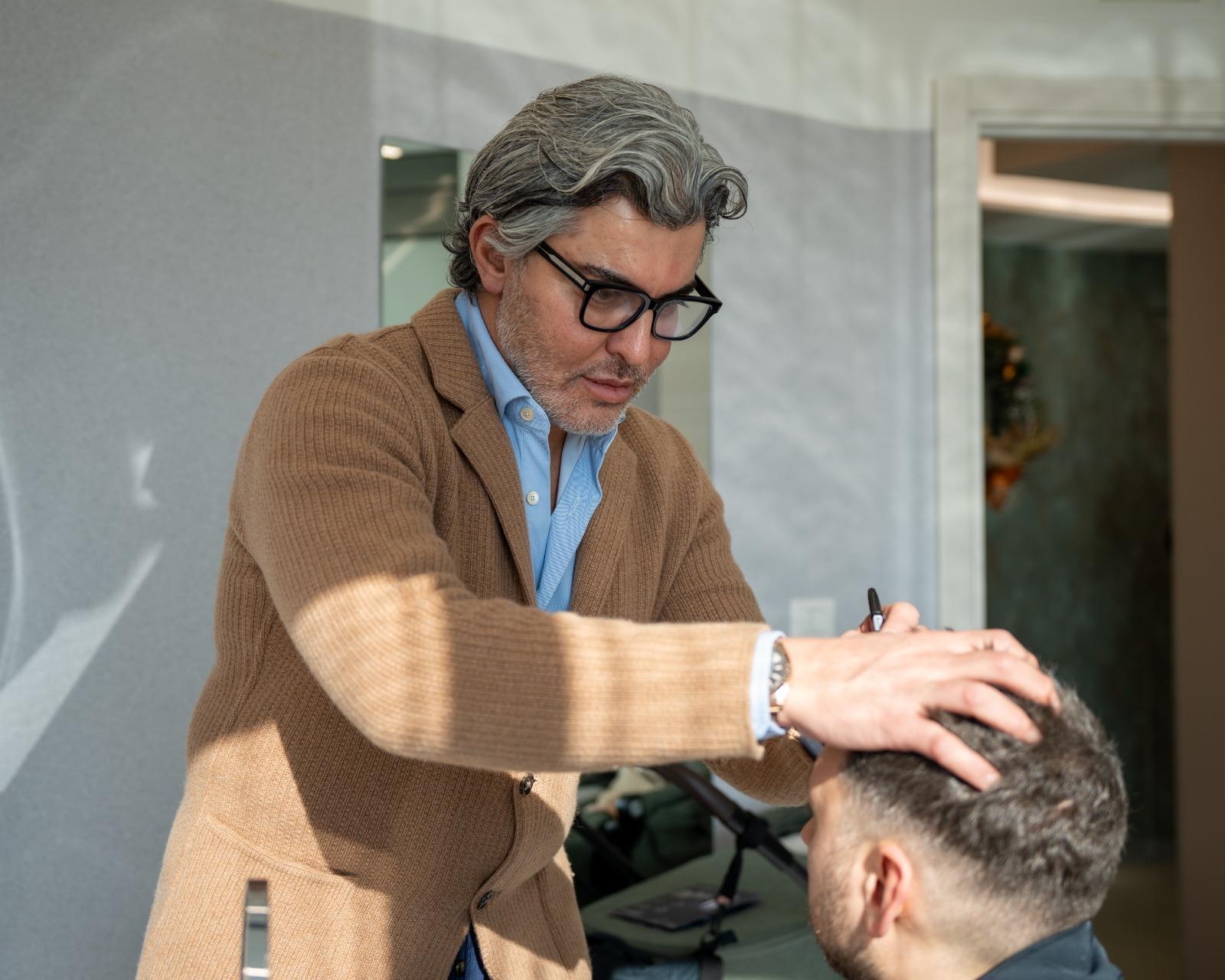
The statistic worth paying attention to is graft survival rate, the percentage of transplanted follicles that actually take root and grow. This depends heavily on how long grafts sit outside the body before reimplantation, how they're stored, and how much trauma they take during extraction. Clinics that keep extraction-to-implantation time short and use trained technicians rather than rotating staff tend to post consistently higher survival numbers. This is one of the few places where asking pointed questions before booking, rather than looking at before-and-after photos, tells you something real. Photos show the best cases; survival rate data, when a clinic is willing to share it, shows the average one.
Adjunct treatments are supportive, not magic
Exosome therapy and low-level laser therapy have become available as supplementary treatments at some hair transplant clinics, with the aim of supporting recovery or hair growth. Research into these approaches is still developing, so they are generally considered complementary to established hair restoration procedures rather than replacements for them. Stem cell-based hair restoration also remains an emerging area of research, while hair cloning techniques designed to produce an unlimited supply of new follicles are not yet commercially available. For example, hair restoration specialists such as Dr. Serkan Aygin may incorporate newer supportive approaches alongside established hair transplant techniques, illustrating how emerging and conventional methods can exist within the same field.
Aftercare decides how the first year actually looks
A transplant doesn't finish on the operating table. Shock loss, a temporary shedding of both transplanted and existing hair in the weeks after surgery, is normal but can be alarming if a patient hasn't been prepared for it. Swelling, itching, and scab formation during the initial recovery period can also require specific care instructions. Patients considering a hair transplant should weigh the follow-up system alongside the surgical technique. A clinic that reviews recovery progress and provides guidance over the following months offers a different level of ongoing support from one whose involvement largely ends after the procedure.
What to actually ask before booking anywhere
Graft survival rates, who performs the extraction and implantation (surgeon versus technician), how long the clinic has operated under its current ownership, and what the guarantee actually covers, usually graft failure specifically rather than dissatisfaction with density or design, are the four questions worth asking regardless of where the clinic is based. Pricing has risen across the board in recent years as international demand for these procedures has grown, so cost comparisons are only meaningful when the packages being compared cover the same scope of care. A transplant is a long-term outcome built from short-term decisions, and most of those decisions happen well before anyone picks up a scalpel.
Making an informed hair transplant decision
A successful hair transplant depends on more than the name of the technique being used. Graft handling, hairline planning, the medical team's experience, appropriate aftercare, and realistic expectations can all influence the final result. Newer supportive treatments may continue to develop, but they do not replace the fundamentals of a carefully planned and properly performed procedure. Taking the time to evaluate these factors before choosing a provider can help patients make a more informed decision about their long-term hair restoration goals.
Comments
Comments are moderated to keep the discussion useful and respectful. Spam, automated submissions, and low-value promotional comments are removed. Comments with outbound links may be approved when the link is relevant to the article and genuinely helpful to readers.
No comments have been published yet.