

Real Estate, Lifestyle, Sustainability
Why Garden-Focused Residences Appeal to Wellness-Minded Buyers
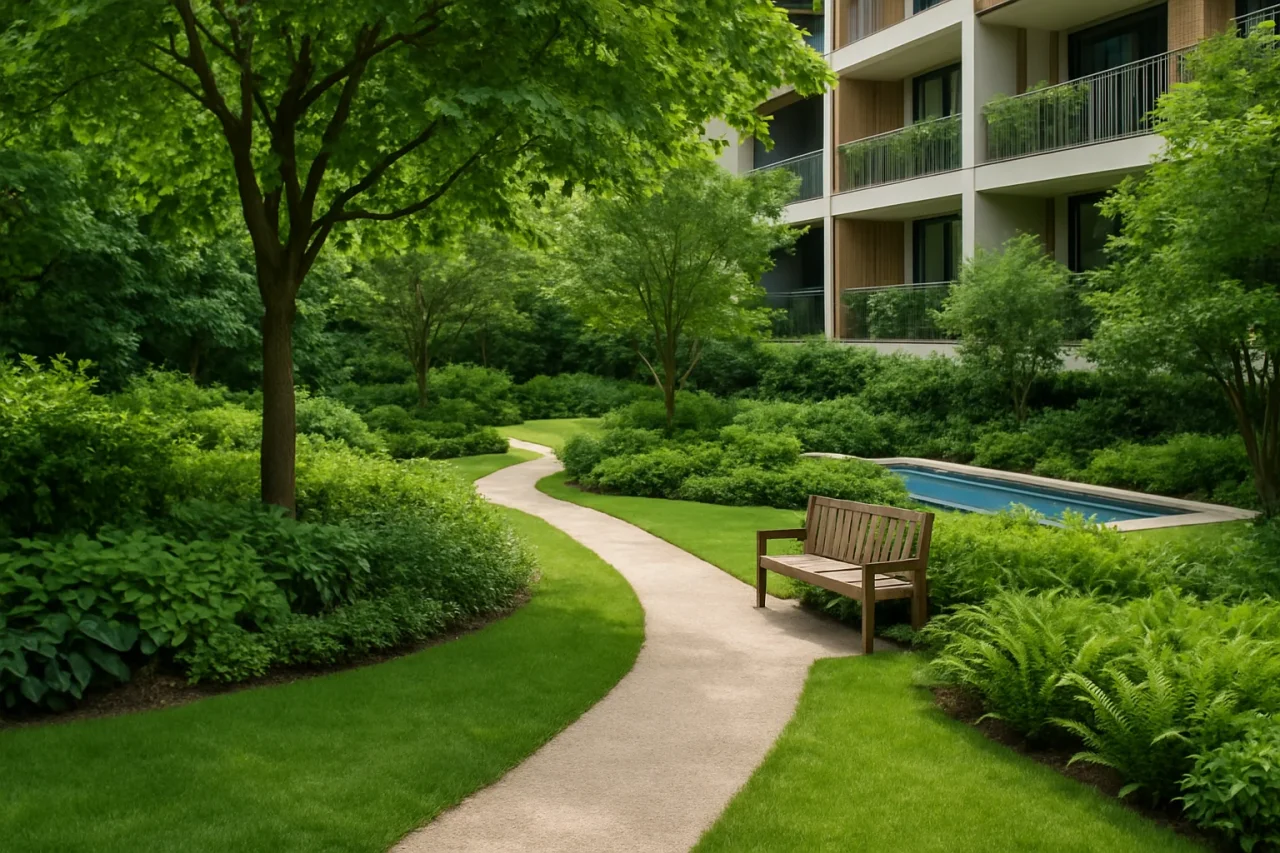
Wellness-minded buyers are paying closer attention to how a home affects the nervous system, sleep quality, movement, and family routines. A garden-focused residence can reduce daily strain by placing greenery, shade, and restorative space close to the front door. In compact cities, this matters. Buyers are no longer viewing gardens as decoration. They see them as part of a healthier living pattern that supports steadier energy and better recovery.
Green Living Feels Practical
Daily health choices are easier when walking paths, shaded seating, pool areas, and fitness spaces sit within reach. Projects such as Lentor Gardens Residences show how buyers now assess homes through routine health needs, including movement, outdoor rest, family interaction, and access to nature within an urban setting that still supports work and school schedules.
Nature Reduces Mental Load
Green views give the brain a lower-stimulation setting after hours of alerts, traffic, and screen glare. Even brief contact with planting, water, or open sky can support attention recovery. A slow walk through a garden also helps regulate breathing. That pause may seem small, yet repeated pauses can lower perceived stress over the course of a week.
Outdoor Space Encourages Movement
Exercise adherence often improves when activity feels convenient. A nearby path, pool, or open deck removes several barriers that stop people from moving. Residents can add short walks, gentle stretching, or light strength work between commitments. This type of movement supports joint mobility, circulation, balance, and glucose control without requiring a strict gym routine.
Families Get Access to Shared Space
Families benefit when outdoor areas support play, supervision, and quiet observation at once. Children need space to run, climb, and engage in sensory exploration. Adults need shaded places to watch, speak, and rest. A well-planned garden setting allows people of different ages to spend time together without forcing one activity on everyone. That flexibility strengthens household rhythm.
Calm Design Supports Work
Home working has placed new pressure on residential design. Focus requires more than a desk and a strong internet connection. Short breaks in fresh air can reduce eye strain, muscle tension, and mental fatigue. Green pockets, terraces, and calm seating areas help workers reset between calls. Better recovery during the day can improve patience, posture, and concentration.
Connectivity Matters
Health-conscious buyers do not usually seek isolation. They still need transport, groceries, clinics, schools, and dining within practical reach. Strong connectivity reduces the hidden stress caused by long commutes and rushed errands. A green residence becomes more useful when it pairs quieter surroundings with efficient access. Wellness works best when daily logistics feel manageable.
Social Health Counts
Health is also shaped by connection, not just exercise and rest. Shared gardens, dining pavilions, lounges, and barbecue areas create low-pressure chances to meet neighbors. These spaces can reduce social isolation, which affects mood, motivation, and perceived safety. Informal conversation near greenery often feels easier than planned gatherings in enclosed rooms.
Pets Shape Choices
Pet owners often evaluate a home through walking routes, shade, and ground-level comfort. Dogs need regular movement, scent exploration, and safe outdoor pauses. Owners also benefit from predictable walks that add gentle cardiovascular activity to each day. Pet-friendly green spaces can improve household routines, reduce indoor restlessness, and foster casual bonds with nearby residents.
Better Air, Better Rhythm
Planting, shade, and water can improve perceived thermal comfort around paths and seating areas. Gardens cannot remove every urban irritant, yet they can make outdoor time more usable. Cooler surfaces, filtered light, and softer acoustics help the body settle. Buyers notice whether green areas invite actual use, rather than serving as visual dressing.
Long-Term Appeal
Garden-focused residences appeal across life stages because recovery, movement, and connection remain relevant. A single professional may value decompression after work. Parents may need safe play areas and quick access to the outdoors. Older residents may prize walkable routes, seating, and calmer sensory cues. This broad usefulness gives such homes practical staying power.
Conclusion
Garden-focused residences attract wellness-minded buyers because they embed health-supportive cues into everyday routines. They encourage movement, improve recovery moments, create social ease, and bring nature closer without asking residents to give up city access. The appeal is practical, not decorative. When a home helps people rest, move, gather, and regain focus each day, its value becomes easier to understand.
Comments
Comments are moderated to keep the discussion useful and respectful. Spam, automated submissions, and low-value promotional comments are removed. Comments with outbound links may be approved when the link is relevant to the article and genuinely helpful to readers.
No comments have been published yet.