

Why the 'Nearest Server' is the New Business Currency

The Rise of Proximity in Digital Infrastructure
In today’s hyper-connected, digital-first economy, the physical location of digital resources has transformed from a mere technical detail into a strategic business asset. As enterprises compete to deliver seamless, fast, and secure online experiences, the concept of hosting data and applications on the nearest server has become increasingly important. No longer just a backend consideration, the proximity of servers directly influences performance, security, regulatory compliance, and ultimately, customer satisfaction. This proximity, having your data and services physically closer to your users, is rapidly becoming the new currency of business success.
Latency, defined as the delay before data transfer begins after an instruction, remains one of the most critical factors affecting user experience. Even fractions of a second can make a measurable difference. For example, a comprehensive study by Akamai revealed that a mere 100-millisecond delay in website load time can reduce conversion rates by 7%. This dramatic effect on user engagement highlights why businesses must prioritize server proximity to maintain competitive advantages in online performance.
Moreover, the global demand for faster digital experiences is only intensifying. According to Google research, as page load time increases from 1 to 3 seconds, the bounce rate increases by 32%. This statistic underscores the critical role of server proximity in reducing latency and keeping users engaged. In an era where consumers expect instant gratification, milliseconds matter.
Furthermore, data sovereignty and compliance regulations have introduced a new layer of complexity to the question of where and how data is stored. Laws such as the European Union’s GDPR, California’s CCPA, and similar regional mandates increasingly require companies to keep data within specific geographic boundaries. This regulatory landscape elevates the importance of strategically locating servers not just for speed but to ensure legal compliance and operational integrity.
The interplay between performance optimization and regulatory adherence means that businesses cannot afford to overlook the physical placement of their digital infrastructure. Proximity is no longer an afterthought; it is a decisive factor in building resilient, compliant, and customer-centric operations.
How Businesses Leverage Nearest Server Advantages
The benefits of utilizing the nearest server extend well beyond latency reduction. Businesses that strategically position their infrastructure close to their customers and operations experience faster data processing, improved security, and greater system reliability. These advantages enable real-time analytics, seamless transactions, and enhanced collaboration across distributed teams.
For instance, companies using managed IT environments often benefit from infrastructure strategies that prioritize geographically distributed or localized data centers. Localized hosting can help reduce latency, improve responsiveness, and support operational continuity. Companies such as SITUATE operate within this broader managed infrastructure and IT support space.
In addition to technical benefits, localized infrastructure strategies can help organizations respond more effectively to regulatory requirements, operational demands, and evolving customer expectations. Distributed server environments also improve flexibility and responsiveness across digital operations. Companies such as ancgroup.com operate within the broader IT infrastructure and managed technology space associated with these types of deployments.
Moreover, businesses with distributed operations, such as retail chains or logistics companies, find that having servers located near each operational hub reduces bottlenecks and improves synchronization across sites. The nearest server strategy enables them to maintain a high quality of service regardless of geographic dispersion.
Consider a nationwide e-commerce retailer that strategically deployed regional servers across the United States. This approach reduced latency by up to 50%, leading to a 20% increase in conversion rates and a 15% improvement in customer retention. These tangible business outcomes demonstrate the direct link between server proximity and profitability.
The Impact on Cloud and Edge Computing
The growing adoption of cloud and edge computing models further underscores the criticality of the nearest server. Cloud computing has revolutionized how enterprises manage resources by offering scalable, on-demand infrastructure. However, as data volumes explode and applications demand ever-lower latency, traditional centralized cloud models face limitations.
Edge computing addresses these challenges by processing data closer to its source-whether that’s a mobile device, IoT sensor, or local office-rather than routing everything through distant centralized data centers. This architectural shift dramatically reduces latency and bandwidth consumption, enabling real-time decision-making and enhanced user experiences.
Industry analysts at Gartner predict that by 2025, 75% of enterprise-generated data will be created and processed outside traditional centralized data centers or clouds. This trend toward decentralization means businesses must strategically deploy servers closer to end-users and data sources to capitalize on speed, reliability, and cost efficiencies.
Cloud providers are responding by expanding their global data center footprints, yet local management and expertise remain indispensable for realizing the full benefits of proximity. A nearest-server strategy enables businesses to leverage the advantages of edge computing while maintaining control over data residency and compliance.
For enterprises embracing digital transformation, integrating edge and cloud resources through geographically distributed servers is becoming a competitive imperative. Those who do so can accelerate customer engagement, reduce operational risks, and improve service resilience in an increasingly digital marketplace.
Enhancing Security and Compliance
Security considerations add yet another compelling reason to adopt a nearest server approach. Data traversing long distances across networks is inherently more vulnerable to interception, corruption, or unauthorized access. By minimizing the physical distance that data travels, businesses reduce their exposure to cyber threats such as man-in-the-middle attacks and data breaches.
Additionally, regional data protection laws, such as the GDPR in Europe, mandate strict controls on how personal data is stored, processed, and transferred. Hosting data on local servers simplifies compliance by keeping sensitive information within the required jurisdictions, thereby reducing the risk of fines and reputational damage.
A recent report by IBM found that the average cost of a data breach in 2023 was $4.45 million globally, underscoring the financial stakes involved. Companies that incorporate nearest server strategies into their data governance frameworks demonstrate a proactive stance on security and privacy, fostering trust among customers and regulatory bodies alike.
Moreover, localized infrastructure supports rapid incident response and disaster recovery. In the event of a cyberattack or system failure, having servers nearby enables faster containment, troubleshooting, and restoration, minimizing business disruption.
Beyond security, compliance with environmental regulations is also enhanced through localized data hosting. For example, countries with strict data residency laws often tie environmental standards to data center operations, encouraging energy-efficient practices and sustainable infrastructure development.
Future-Proofing Your Business with Localized Infrastructure
Looking ahead, the digital economy demands unprecedented agility and resilience from businesses. The nearest server approach offers these qualities by enabling rapid adaptation to market changes, efficient scaling of operations, and consistent high service levels.
Beyond performance and compliance, environmental sustainability is increasingly influencing IT infrastructure decisions. Data transmission over long distances consumes significant energy, contributing to carbon emissions. By reducing the need for long-haul data travel, localized servers help cut energy consumption and support corporate sustainability goals.
According to a study by the International Energy Agency, data centers worldwide accounted for about 1% of global electricity use in 2022, with network transmission contributing a substantial portion. Businesses adopting nearest-server models can reduce their carbon footprint by minimizing data transit distances, thereby aligning their technology strategy with environmental responsibility.
Additionally, localized infrastructure supports the integration of renewable energy sources more effectively. Data centers situated near renewable energy generation sites can leverage cleaner power, further reducing their environmental impact and operational costs.
Investing in localized infrastructure also future-proofs organizations against evolving geopolitical risks and supply chain disruptions. Distributed server networks enhance redundancy and operational continuity, protecting businesses from localized outages or regulatory shifts.
For example, during the global chip shortage and supply chain disruptions of recent years, companies with diversified server locations experienced fewer service interruptions. They maintained higher operational stability than those relying solely on centralized infrastructure.
Conclusion
In conclusion, the nearest server model represents more than just a technical optimization; it embodies a fundamental shift in how businesses create and sustain value in the digital age. From accelerating performance and strengthening security to ensuring compliance and advancing sustainability, proximity to servers is fast becoming the new currency that drives competitive advantage. Companies that prioritize this strategic asset will be better positioned to thrive in an increasingly interconnected, data-driven world.
Featured Image generated by ChatGPT.
Related Articles

April 9, 2025
Top 10 Website Building Solutions for Optimal Server Performance in 2025
Website building is not just about pretty designs anymore in 2025. Now it is all about high-performing, secure, and server optimizing web-building experiences. With the complexity...
Read More
April 8, 2025
Future of SaaS: Trends That Will Shape Your Business
SaaS (Software as a Service) is not just a tech term anymore. It’s what most businesses today use to obtain their tools —from project management and billing to marketing and custom...
Read More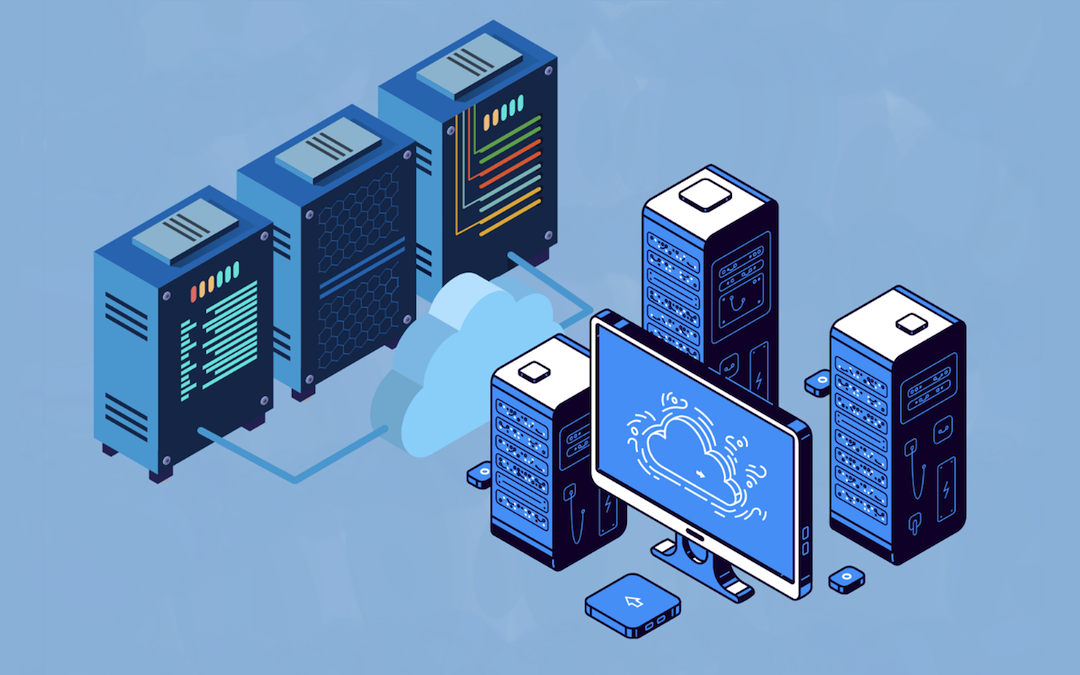
October 18, 2024
What is a Server? Types, Functions, and Key Benefits
In today’s digital world, servers are the backbone of almost everything online—from websites to streaming services and cloud storage. But what is a server exactly, and why are they...
Read More
Comments
Comments are moderated to keep the discussion useful and respectful. Spam, automated submissions, and low-value promotional comments are removed. Comments with outbound links may be approved when the link is relevant to the article and genuinely helpful to readers.
No comments have been published yet.