

Network, Cybersecurity, Information Technology
Zero Trust Explained: Moving Beyond Perimeter Security
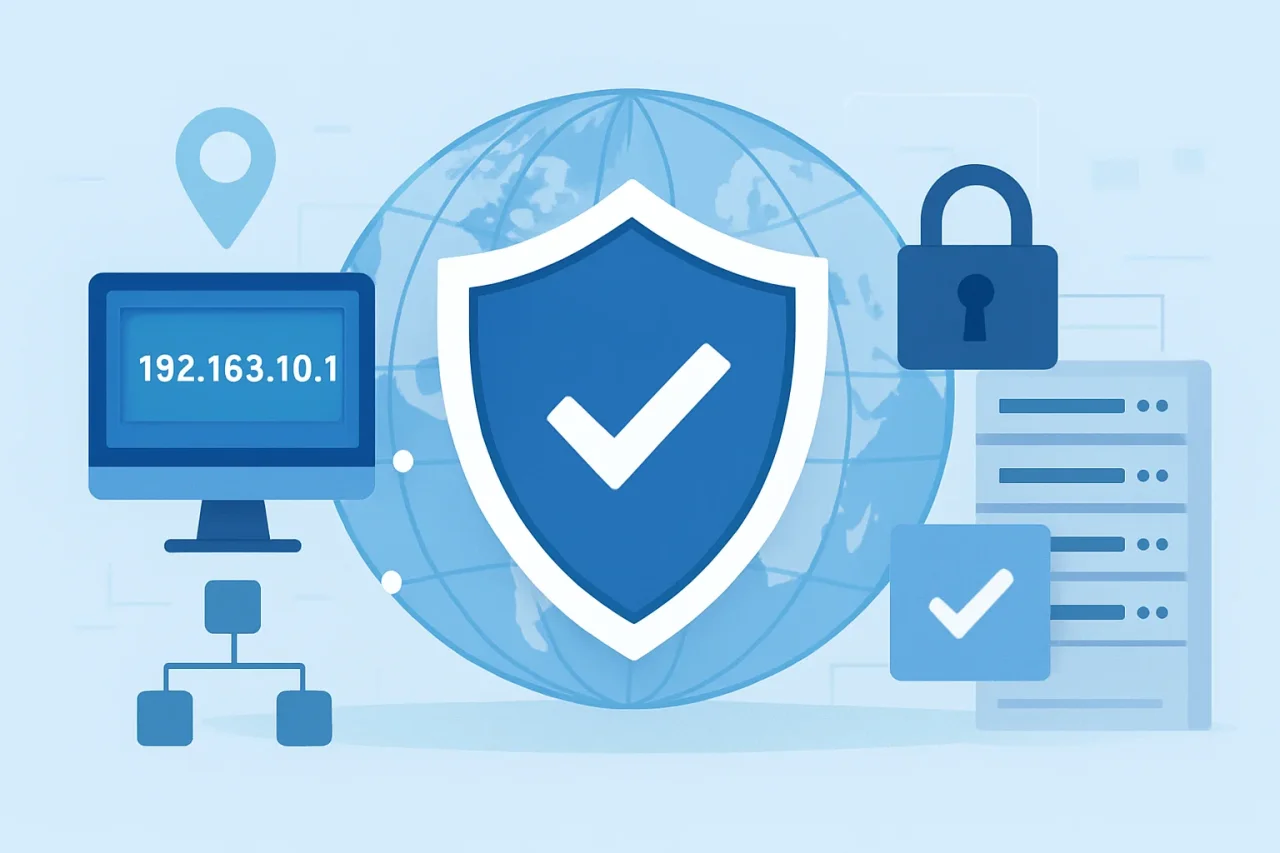
The Limitations of Traditional Perimeter Security
For decades, cybersecurity strategies have centered on securing the network perimeter. Organizations invested heavily in strong firewalls, intrusion detection systems, and network monitoring tools designed to keep unauthorized users out. This perimeter-centric model operated on the assumption that everything inside the network was trustworthy. However, the rapid evolution of technology and work practices has exposed critical weaknesses in this approach.
The rise of cloud computing, mobile workforces, and remote access has blurred the traditional network boundaries. Employees now access corporate data from various devices and locations, often outside the protected network perimeter. At the same time, attackers have become more sophisticated, exploiting vulnerabilities such as compromised credentials, insider threats, and misconfigured cloud environments to bypass perimeter defenses.
According to a 2023 report by Cybersecurity Ventures, cybercrime damages are projected to reach $10.5 trillion annually by 2025, underscoring how threat actors are evolving faster than traditional defenses can keep up. This staggering figure highlights the urgent need for organizations to rethink their cybersecurity strategies and move beyond the outdated perimeter security model.
Organizations that continue to rely solely on perimeter defenses risk exposing sensitive data and critical systems to breaches. The traditional fortress approach no longer matches the realities of a highly distributed, hybrid IT ecosystem. This shift has paved the way for a fundamental change in cybersecurity philosophy-one that assumes no user or device is inherently trustworthy, regardless of location.
Organizations may implement Zero Trust architectures using internal IT teams, managed service providers, or a combination of both. For example, tech managed by NGEN illustrates one approach to managed IT services that can include identity and access management, network segmentation, and threat monitoring as part of a broader security strategy.
Understanding the Zero Trust Model
Zero Trust is a security framework designed to address the limitations of perimeter-based security by operating on the principle of "never trust, always verify." Rather than implicitly trusting users or devices inside the network, Zero Trust requires continuous authentication and authorization of every access request, regardless of its origin.
This approach means that every user and device must prove their identity and security posture before being granted access to resources. Access is granted on a least-privilege basis, ensuring users only have the permissions necessary to perform their tasks. Additionally, network segmentation and micro-segmentation limit the potential damage if an attacker gains access to part of the network.
By embracing this model, organizations can reduce the attack surface and improve their ability to detect and respond to threats more effectively. Zero Trust treats all network traffic as hostile until proven otherwise, eliminating the outdated assumption that internal traffic is inherently safe.
Key Components of Zero Trust Security
Implementing Zero Trust involves integrating several critical elements that work together to create a robust security posture:
- Identity and Access Management (IAM): IAM systems ensure that only authenticated and authorized users can access specific resources. Multi-factor authentication (MFA) is a widely adopted IAM practice that adds an additional layer of security by requiring multiple forms of verification.
- Micro-Segmentation: This technique divides the network into smaller, isolated zones to prevent attackers from moving laterally if they breach one segment. By limiting communication between segments, organizations can contain the impact of potential intrusions.
- Continuous Monitoring and Analytics: Real-time monitoring tools analyze user behavior and network traffic to detect anomalies that may indicate malicious activity. Automated response mechanisms help mitigate threats quickly.
- Device Security and Posture Assessment: Verifying the security status of devices before granting access helps prevent compromised or non-compliant devices from connecting to critical systems.
- Data Protection: Encrypting data both at rest and in transit ensures that sensitive information remains confidential even if intercepted.
Organizations may implement Zero Trust using internal IT teams, managed security service providers, or a combination of both. For example, ccgpro.com represents one example of a managed IT service that supports Zero Trust deployment, implementation, and ongoing management.
Why Zero Trust Matters for Modern Businesses
The digital transformation accelerated by cloud adoption and remote work has expanded the attack surface exponentially. Traditional VPNs and perimeter-based controls are no longer sufficient to protect dynamic, distributed environments. Gartner predicts that by 2025, 60% of enterprises will phase out most of their remote access VPNs in favor of Zero Trust Network Access (ZTNA) solutions, recognizing Zero Trust as the future of secure connectivity.
By adopting Zero Trust, organizations can significantly reduce the risk of data breaches. For example, a study by Forrester found that companies implementing Zero Trust frameworks experienced a 50% reduction in security incidents related to unauthorized access. This improvement stems from strict access controls and continuous verification processes that minimize both external threats and insider risks.
Zero Trust also enhances regulatory compliance by ensuring that sensitive data is accessed only by authorized personnel under controlled conditions. Many regulations, such as GDPR, HIPAA, and CCPA, mandate strict data protection measures that Zero Trust helps enforce. Furthermore, Zero Trust provides granular visibility into network activity, enabling proactive threat detection and response.
Beyond security improvements, Zero Trust supports business agility. It enables seamless and secure access for remote employees, contractors, and partners, facilitating collaboration without compromising security. This flexibility is essential in today’s hybrid work environments where users expect reliable access from anywhere.
Challenges in Implementing Zero Trust
Despite its benefits, transitioning to a Zero Trust model involves several challenges. Organizations must navigate technical, operational, and cultural hurdles to successfully adopt this new security paradigm.
One major challenge is integrating legacy systems that were not designed with Zero Trust principles in mind. These systems may lack compatibility with modern identity and access controls, requiring complex workarounds or phased replacements.
Another concern is balancing security with user experience. Overly strict policies can lead to frustration and reduced productivity if users face excessive authentication prompts or access denials. Designing seamless yet secure workflows demands careful planning and user training.
Aligning Zero Trust policies with business operations is also critical. Security measures should support, not hinder, organizational goals. This requires ongoing collaboration between security teams, IT departments, and business units.
Organizations must also manage the complexity of deploying multiple security technologies, ensuring they integrate effectively without creating gaps or redundancies. Continuous monitoring and policy updates are necessary to adapt to evolving threats and organizational changes.
Successful implementation often involves phased rollouts and pilot programs that allow organizations to test and refine their Zero Trust strategies. Depending on available resources and technical requirements, organizations may implement Zero Trust using internal IT teams, managed service providers, or a combination of both.
The Future of Security is Zero Trust
As cyber threats continue to grow in sophistication and volume, adaptive and resilient security architectures are essential. Zero Trust shifts the focus from perimeter defense to continuous verification and least-privilege access, acknowledging that breaches are inevitable and emphasizing containment and mitigation.
Organizations adopting Zero Trust can strengthen access controls, improve visibility into network activity, and support compliance with evolving security and regulatory requirements. A Ponemon Institute study found that companies with mature Zero Trust implementations reduced the average cost of a data breach by $1.76 million compared to those without.
Zero Trust architectures facilitate faster incident response and recovery, minimizing downtime and operational impact. As artificial intelligence and machine learning become more integrated into cybersecurity, Zero Trust frameworks will benefit from enhanced threat detection and automated defenses.
Conclusion
Zero Trust represents a shift from traditional perimeter-based security to a model that continuously verifies users, devices, and access requests. Rather than assuming anything inside the network is trustworthy, Zero Trust applies identity verification, least-privilege access, segmentation, and continuous monitoring to reduce the impact of compromised accounts or devices.
As organizations continue adopting cloud services, hybrid work, and distributed infrastructure, Zero Trust provides a framework for strengthening security across diverse environments. Combined with appropriate planning, ongoing monitoring, and complementary security controls, it can help organizations better manage evolving cybersecurity risks while supporting operational and regulatory requirements.
Comments
Comments are moderated to keep the discussion useful and respectful. Spam, automated submissions, and low-value promotional comments are removed. Comments with outbound links may be approved when the link is relevant to the article and genuinely helpful to readers.
No comments have been published yet.