September 8, 2015
by IP Location

The Hypertext Transfer Protocol (HTTP) is a protocol at the application layer of the Internet Protocol (IP) Suite. The protocol is used for distributed, collaborative, and hypermedia information systems which put it at the core of data communication across the World Wide Web (WWW). This means that when a user goes to a (distributed or collaborative informati...
September 7, 2015
by IP Location
· 1 comments

IP ban is a block set up by a server to reject the request made from a particular IP or range of IP addresses. The IP ban may have been implemented automatically due to an abuse pattern detected by the server or placed manually by an administrator. IP ban is implemented to protect the server from abuse such as brute force attacks, block emails from known spa...
July 9, 2015
by IP Location
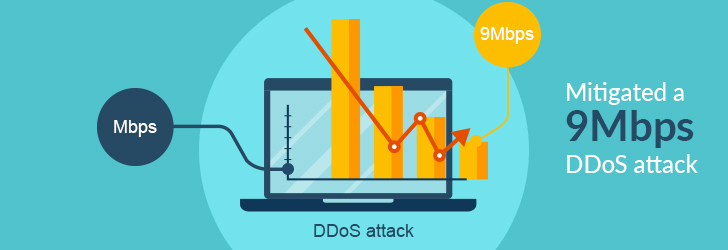
One of our sister website hosted on cloud server was recently hit by a 9Mbps DDoS, and the apache web server ran out of memory and crashed. The attack lasted more than 2-months with no known reason. We've taken a number of mitigation steps including installation of mod_security with mod_evasive, APF, BFD, DDoS Deflate and Rootkit and Traffic Control, but non...
May 7, 2015
by IP Location
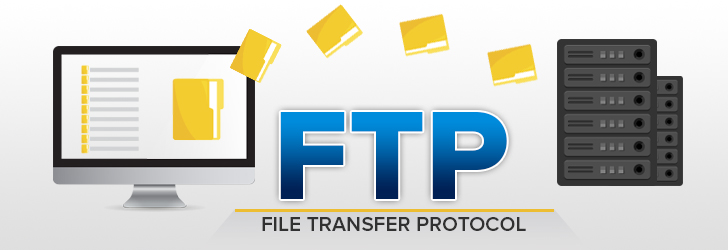
The File Transfer Protocol (FTP) is a protocol used in the Internet Protocol (IP) Suite used for the transferring of files across a network between a server and a client. The protocol was built from the ground up with the client-server model in mind and utilizes different connections for data and control between the two. Users can authenticate themselves wit...
May 6, 2015
by IP Location

Users receive multiple emails on a daily basis, some work-related, some personal and others from unknown sources. Sometimes it can be difficult to know which of these emails are legitimate and which aren't. Have you ever received an email from the government requesting your Social Security Number, a payment company stating your card was declined, or a websit...
March 16, 2015
by IP Location
The two types of internet protocol are IPv4 and IPv6. In this article, we are going to look at the difference between the IPv4 and IPv6 addresses.
January 9, 2015
by IP Location
· 1 comments
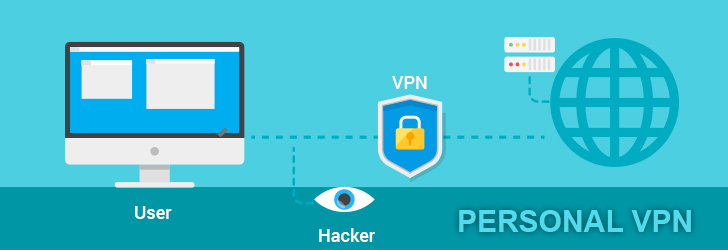
A VPN, or Virtual Private Network, is used to securely connect to another network via a public or a private network. A VPN creates a private network within a broader network, thus providing added-security using encryption and network tunneling mechanisms. A VPN is like a bridge that connects two islands (here, LANs) to establish an private, secure and more r...
January 8, 2015
by IP Location
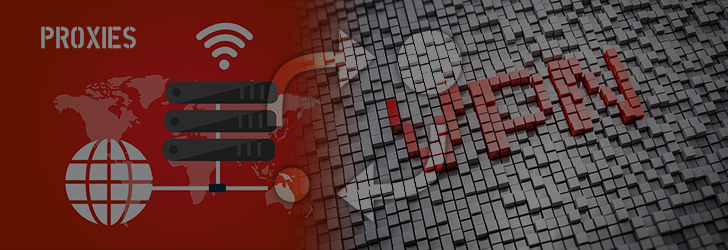
The main purpose of using both proxies and VPN services is to hide the IP Address of the users or to prevent tracking bodies and individuals from identifying their location. For example, this may even be used to access certain sites that are not otherwise accessible in the user's country. A lot of VPN providers also provide proxy services apart from prov...
October 26, 2014
by IP Location
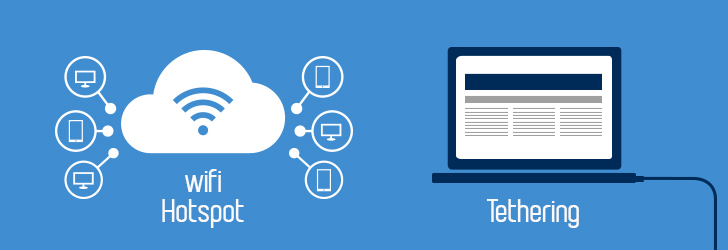
In the last two decades or so, a number of new ways through which we can access the internet have been introduced. Traditionally, the internet could be accessed via telephone wires, satellites, cables, and mobile devices. Often, tethering and hotspot are confused with each other.
October 7, 2014
by IP Location
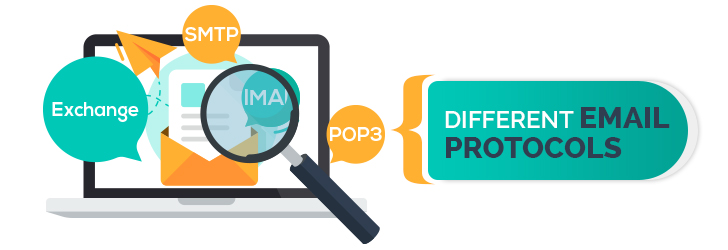
When we speak about email accounts, there are multiple protocols which are involved. This can be extremely confusing if you are not aware of what protocols exist for emails. Also, each of this protocols performs slightly different functionality. The commonly used protocols are- IMAP, POP3, SMTP, and Exchange. These are few protocol types one would come acros...