

IP Address, Network, Cybersecurity
Using IP Allowlisting and Geo-Blocking to Shrink Your Attack Surface
Understanding the Threat Landscape
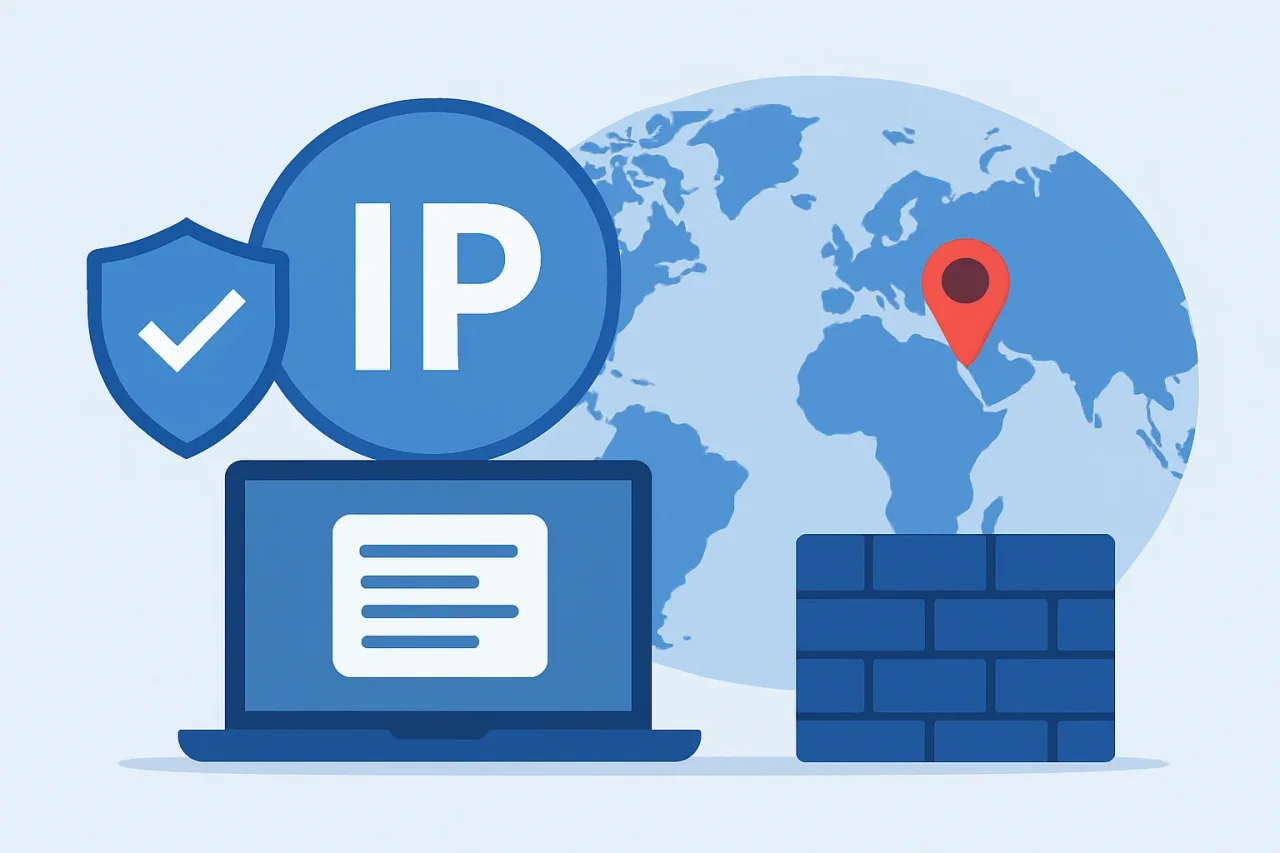
In today’s digital environment, businesses face an increasing number of cyber threats. Cybercriminals constantly seek vulnerabilities to exploit, making it essential for organizations to adopt proactive strategies to safeguard their networks. Two highly effective methods to reduce exposure to attacks are IP allowlisting and geo-blocking. These techniques help to shrink an organization’s attack surface by restricting access to trusted sources and blocking traffic from high-risk regions.
The attack surface of a network refers to all the points where an unauthorized user could attempt to gain entry. As companies expand their digital footprint, especially with remote work and cloud adoption, the attack surface grows exponentially. According to a report by Cybersecurity Ventures, cybercrime damages are expected to cost the world $10.5 trillion annually by 2025, up from $3 trillion in 2015, underscoring the urgency of implementing robust defenses.
Moreover, the proliferation of Internet of Things (IoT) devices and cloud-based applications has further complicated the security landscape, increasing points of vulnerability. Research from SonicWall revealed that ransomware attacks increased by 105% globally in 2023, highlighting the critical need to minimize attack surfaces and prevent unauthorized access.
What Is IP Allowlisting?
IP allowlisting is a security measure that restricts access to a system or network only to a predefined list of IP addresses. Instead of blocking known threats, allowlisting takes a positive security stance by permitting only trusted IPs. This approach dramatically reduces the chance of unauthorized access, as any request from an unrecognized IP is automatically denied.
For businesses managing sensitive information or critical infrastructure, IP allowlisting can be a game-changer. It ensures that only employees, trusted partners, or specific devices can connect to the network or applications. Enterprises often integrate allowlisting with VPNs or multi-factor authentication to maintain secure remote access.
Implementing IP allowlisting effectively requires maintaining an up-to-date list of authorized IPs. This can be challenging for organizations with fluctuating IP addresses or global teams, highlighting the importance of expert IT support. Companies like Reverie Tech in the industry offer specialized services to help businesses configure and manage allowlisting policies tailored to their needs.
Another key advantage of IP allowlisting is its role in mitigating automated attacks such as credential stuffing and brute force attempts. By limiting access strictly to known IPs, these common attack vectors are significantly curtailed, reducing the risk of compromise.
The Role of Geo-Blocking in Cybersecurity
Geo-blocking is another powerful tool that enhances network security by restricting or denying access based on geographic location. Many cyberattacks originate from specific regions known for high levels of malicious activity. By blocking IP addresses from these areas, organizations can proactively prevent a significant portion of threats.
Beyond cybersecurity, geo-blocking is often used for regulatory compliance, content licensing, and fraud prevention. However, in the context of attack surface reduction, it serves as a first line of defense against unauthorized access attempts from high-risk countries.
A study by Kaspersky found that 53% of cyberattacks in 2022 targeted organizations in North America and Europe, while the majority of attack sources originated from a handful of regions with lax cyber enforcement. This data reinforces the effectiveness of geo-blocking as part of a layered security approach.
For businesses leveraging cloud services and hybrid environments, coordinating geo-blocking policies can be complex. Outsourcing to providers who offer cloud support from iTi Communications ensures seamless implementation across platforms, reducing complexity and improving security posture.
Geo-blocking also plays an important role in reducing fraud and preventing unauthorized transactions in industries such as finance and e-commerce. By limiting access from regions with high fraud rates, businesses can protect both their systems and customers.
Benefits of Combining IP Allowlisting and Geo-Blocking
Using IP allowlisting and geo-blocking in tandem creates a robust defense mechanism that significantly narrows the attack surface. This layered approach offers multiple advantages:
- Minimized Exposure: By only permitting known IPs and blocking risky regions, organizations drastically reduce potential entry points for attackers.
- Enhanced Compliance: Many regulatory frameworks, such as GDPR and HIPAA, require strict access control. These methods help meet those standards by enforcing geographic and identity-based restrictions.
- Improved Monitoring and Incident Response: With fewer allowed connections, network traffic becomes easier to monitor, enabling quicker detection of anomalies and faster response times.
- Cost Efficiency: Reducing unauthorized access attempts decreases the risk of costly breaches and lowers the need for extensive remediation efforts.
A report by IBM’s Cost of a Data Breach 2023 indicates that organizations with strong access controls, including IP restrictions, reduced breach costs by an average of 45% compared to those without. Additionally, the same report highlights that the average time to identify and contain a breach was 74 days shorter for organizations with effective access management.
Combining these techniques also supports business continuity by preventing disruptions caused by cyberattacks. Organizations that proactively restrict access reduce downtime and maintain operational stability.
Best Practices for Implementation
Successfully deploying IP allowlisting and geo-blocking involves careful planning and ongoing management. Here are some best practices to consider:
- Conduct a Risk Assessment: Identify the critical assets and typical access patterns to determine which IPs and regions should be allowed or blocked.
- Maintain Updated Lists: IP addresses and threat landscapes change regularly; ensure allowlists and geo-block lists are reviewed and updated frequently.
- Leverage Automation: Use security tools that automate the updating of IP lists and threat intelligence feeds to reduce manual workloads and errors.
- Balance Security and Usability: Avoid overly restrictive policies that could disrupt legitimate access. Test configurations thoroughly before full deployment.
- Integrate with Other Security Layers: Combine allowlisting and geo-blocking with firewalls, intrusion detection systems, and endpoint security for comprehensive protection.
- Engage Expert Support: Partnering with IT providers experienced in network security can simplify deployment and ongoing management. For example, organizations can benefit from ’s expertise in crafting customized allowlisting strategies.
Additionally, organizations should implement comprehensive logging and alerting mechanisms to monitor blocked access attempts and adjust policies proactively. Regular training for IT staff on managing allowlists and geo-blocking policies is also essential to maintain effective defenses.
Challenges and Considerations
While IP allowlisting and geo-blocking are powerful, they are not silver bullets. Organizations should be aware of potential limitations:
- Dynamic IP Addresses: Many users and devices utilize dynamic IPs, complicating allowlisting. Solutions like VPNs or identity-based access controls may help.
- VPN and Proxy Use: Attackers may use VPNs to bypass geo-blocks, so geo-blocking should be part of a broader security strategy.
- Global Workforce Needs: Companies with international teams must carefully design policies to avoid blocking legitimate users. Cloud service providers can assist in balancing security with accessibility.
- Maintenance Overhead: Continuous updating and monitoring require dedicated resources or trusted partners.
- False Positives and Access Denials: Overly aggressive geo-blocking or allowlisting may inadvertently block legitimate users, impacting productivity and customer experience.
Despite these challenges, the security benefits far outweigh the complexities, especially when combined with other cybersecurity measures.
Future Trends in Access Control
As cyber threats evolve, so too will access control technologies. Emerging trends include:
- Zero Trust Security: Moving beyond network-based controls to verify every access request regardless of origin.
- AI-Driven Threat Detection: Utilizing machine learning to dynamically adjust allowlists and geo-blocks in response to emerging threats.
- Integration with Identity and Access Management (IAM): Combining IP-based controls with user identity verification for granular access policies.
- Cloud-Native Security Solutions: Increasing adoption of cloud-based security services that simplify implementation and scalability.
- Behavioral Analytics: Monitoring user behavior patterns to detect anomalies that might bypass traditional IP or geo restrictions.
By staying informed and adopting these advancements, businesses can continuously shrink their attack surface and enhance resilience.
Conclusion
In an era where cyber threats are increasingly sophisticated, businesses must leverage every tool available to protect their digital assets. IP allowlisting and geo-blocking serve as foundational components in reducing the attack surface, limiting access to trusted sources, and blocking high-risk regions. When implemented thoughtfully and combined with expert support, these strategies can significantly improve an organization’s security posture, compliance, and operational efficiency.
Organizations seeking to strengthen their network defenses should consider partnering with trusted IT providers who specialize in access control solutions. Whether it’s implementing precise IP allowlists or managing geo-block policies across complex environments, expert guidance ensures effective and sustainable security.
By integrating IP allowlisting and geo-blocking into a comprehensive cybersecurity strategy, businesses can take a significant leap forward in defending against the relentless tide of cyber threats. These measures not only protect critical assets but also foster trust with customers and stakeholders, ultimately supporting long-term business success.
Related Articles
June 24, 2026
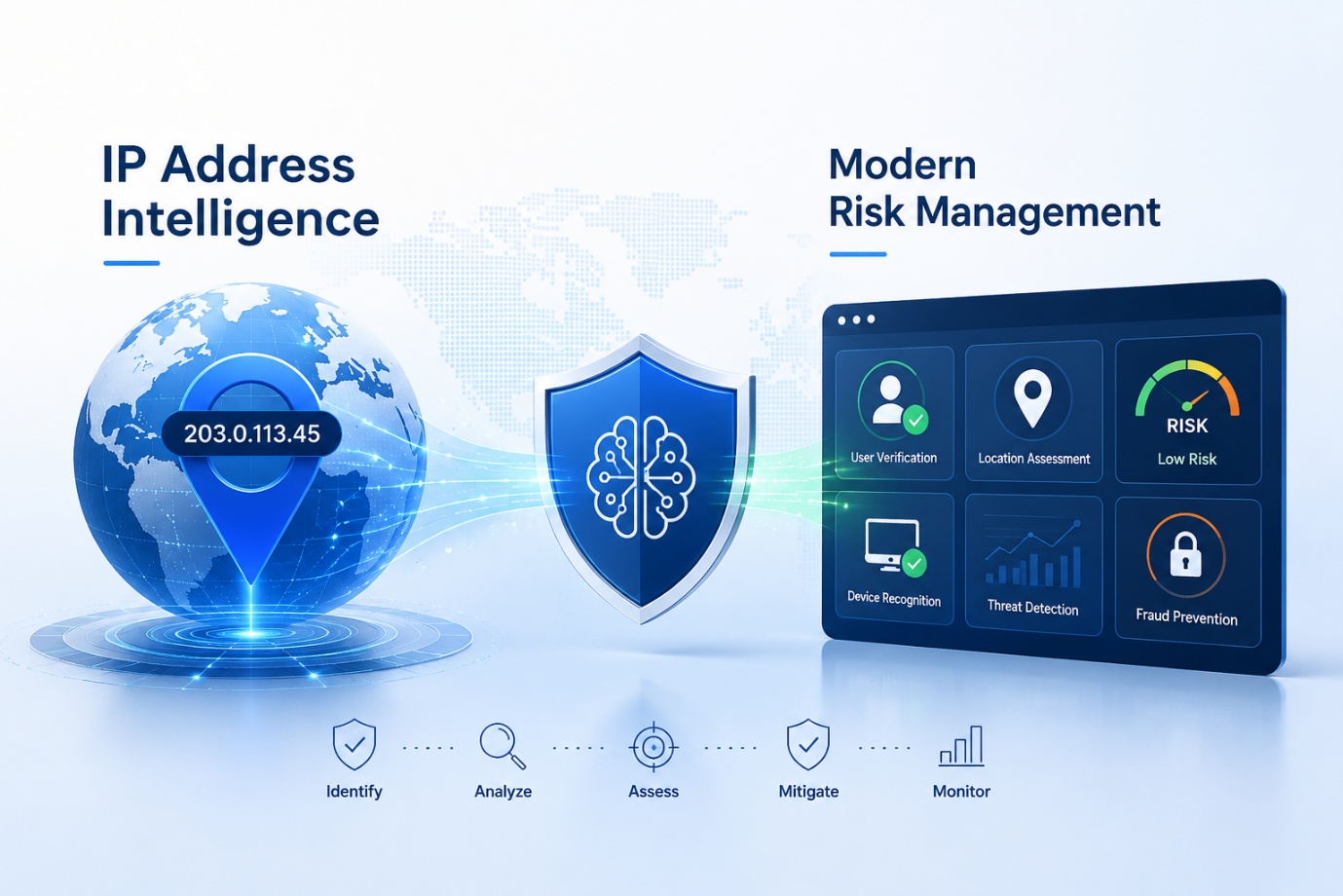
IP Address Intelligence and Its Impact on Modern Risk Management
Companies today rely primarily upon an infrastructure of digital IT resources, therefore identifying and measuring risk associated to these resources is essential to running a succ...
Read More
April 7, 2026
Using IP Intelligence to Detect Credential Stuffing Attacks
Credential stuffing has become one of the most prevalent threats in modern cybersecurity. Unlike traditional brute-force attacks, credential stuffing doesn't rely on guessing passw...
Read More
October 10, 2023
Protecting Your Privacy: How IP Addresses and VIN Numbers Play a Role in Cybersecurity
Maintaining your privacy in the digital age requires being aware of the dangers that IP addresses and VIN numbers bring. By protecting these numbers, you can significantly increas...
Read More
Comments
Comments are moderated to keep the discussion useful and respectful. Spam, automated submissions, and low-value promotional comments are removed. Comments with outbound links may be approved when the link is relevant to the article and genuinely helpful to readers.
No comments have been published yet.